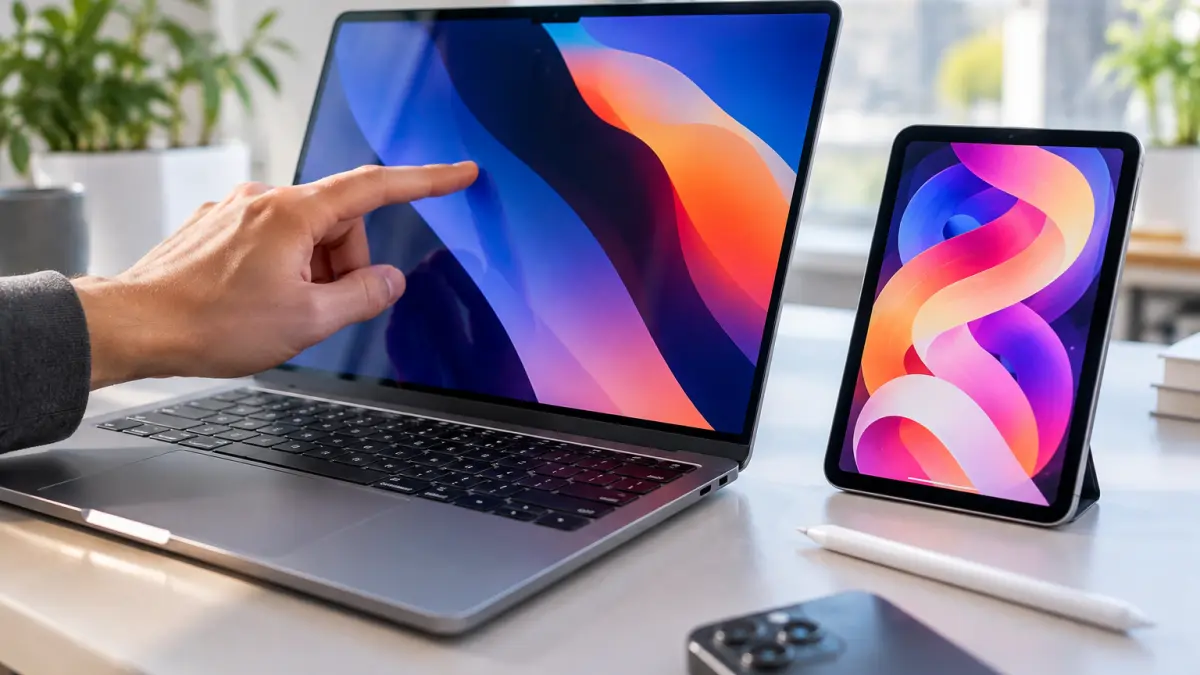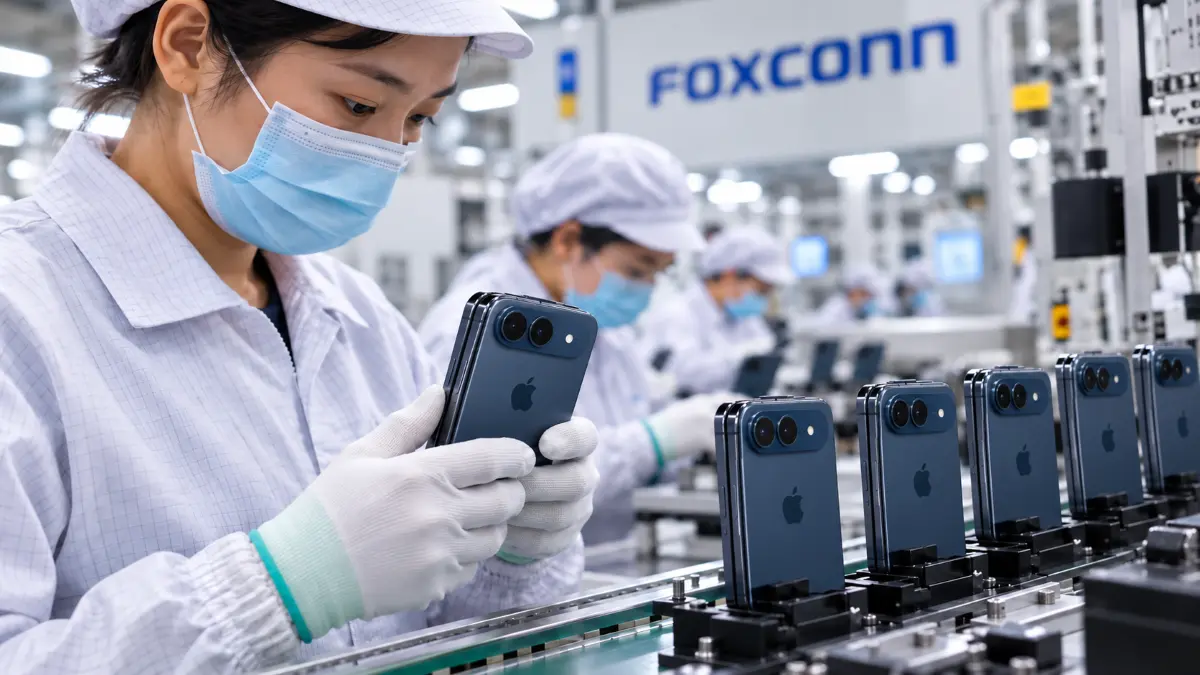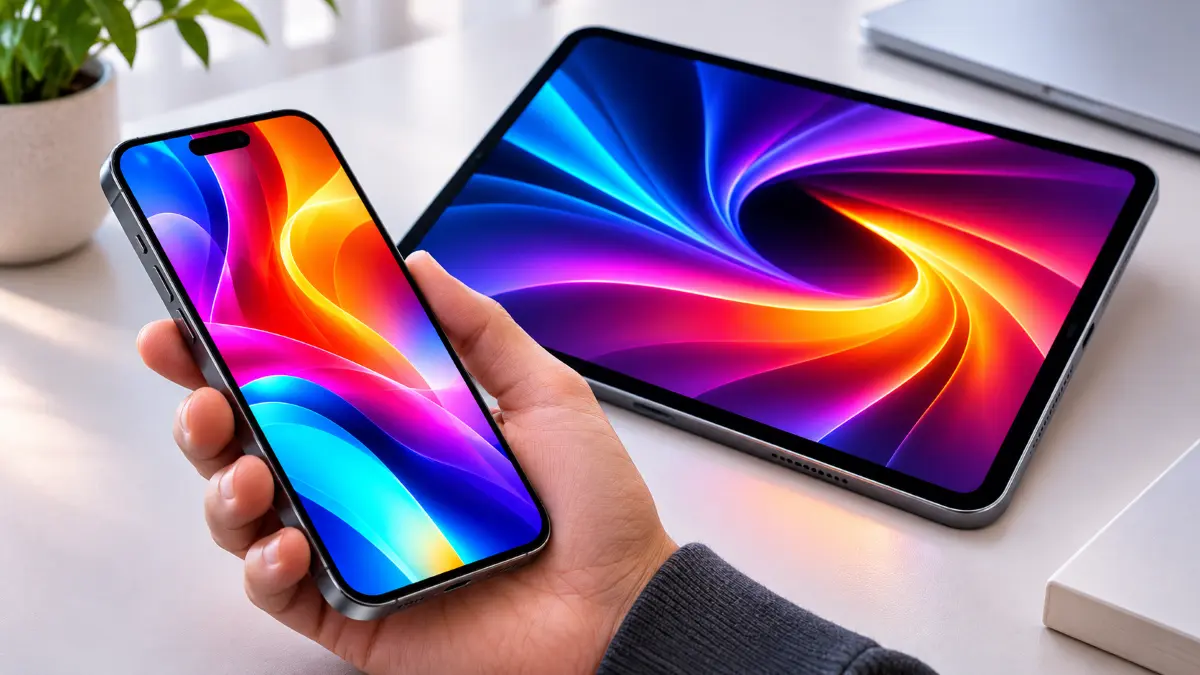

Apple is reportedly advancing a new OLED manufacturing technique known as sputtering to produce brighter displays for its iPhone and iPad lineups. This development, driven by Apple’s suppliers, aims to push the boundaries of OLED screen brightness, potentially delivering more vivid and clearer visuals in future devices.
Currently, Apple’s OLED displays rely on evaporation methods to deposit organic materials onto the screen substrate. Sputtering, a technique more common in industrial applications, involves bombarding a target material with ions to eject atoms that then form a thin film on the display surface. This method can achieve higher precision and uniformity in the organic layer deposition, which translates into improved brightness and efficiency.
What sputtering OLED technology entails
Sputtering is a physical vapor deposition process that differs fundamentally from the traditional evaporation technique used in OLED manufacturing. Instead of heating materials to evaporate them, sputtering uses ionized gas to knock atoms off a target material. These atoms then settle on the display substrate, forming the OLED layers.
This approach allows for better control over the thickness and composition of the organic layers, which are crucial for the light-emitting efficiency of OLED panels. The result is a display that can emit brighter light without compromising power consumption or color accuracy.
Advantages for Apple’s ecosystem
For Apple users, brighter OLED displays mean improved visibility in bright environments, such as direct sunlight, and richer image quality for media consumption and gaming. Enhanced brightness also supports better HDR performance, making colors pop and details stand out more vividly.
From a developer perspective, brighter and more consistent displays can enable more precise color grading and UI design, improving app aesthetics and usability. It also opens opportunities for augmented reality (AR) applications that require high brightness to overlay digital content convincingly in real-world settings.
What remains unchanged in Apple’s display strategy
Despite this manufacturing shift, the fundamental characteristics of Apple’s OLED panels, such as deep blacks, wide color gamut, and energy efficiency, are expected to remain intact. The sputtering process enhances brightness but does not alter the core OLED technology or Apple’s approach to color calibration and display tuning.
Moreover, this change does not imply immediate adoption across all Apple devices. It is likely to debut in select models before broader rollout, allowing Apple to refine the process and ensure compatibility with its existing hardware and software ecosystem.
Strategic implications for Apple’s supply chain
Adopting sputtering OLED technology reflects Apple’s ongoing efforts to innovate at the component level through its supplier network. By pushing suppliers to develop advanced manufacturing techniques, Apple can differentiate its displays from competitors and maintain a technological edge.
This move also suggests a focus on improving user experience through hardware refinements rather than solely relying on software enhancements. Brighter, more efficient displays align with Apple’s broader goals of enhancing device usability and visual appeal in diverse lighting conditions.
What to watch for next
As sputtering OLED technology matures, the key indicators to monitor will be Apple’s integration timeline and the impact on device battery life and cost. How Apple balances brightness gains with power efficiency will be crucial, especially for mobile devices where battery longevity is paramount.
Additionally, developers and users should watch for any changes in display calibration or new features that leverage the enhanced brightness. Apple’s ecosystem could see new visual standards or app capabilities optimized for these brighter screens.
In summary, Apple’s exploration of sputtering OLED manufacturing marks a technical refinement aimed at delivering brighter, more vivid displays for future iPhones and iPads. While the core OLED experience remains consistent, this advancement could significantly enhance screen performance and user experience in the Apple ecosystem.