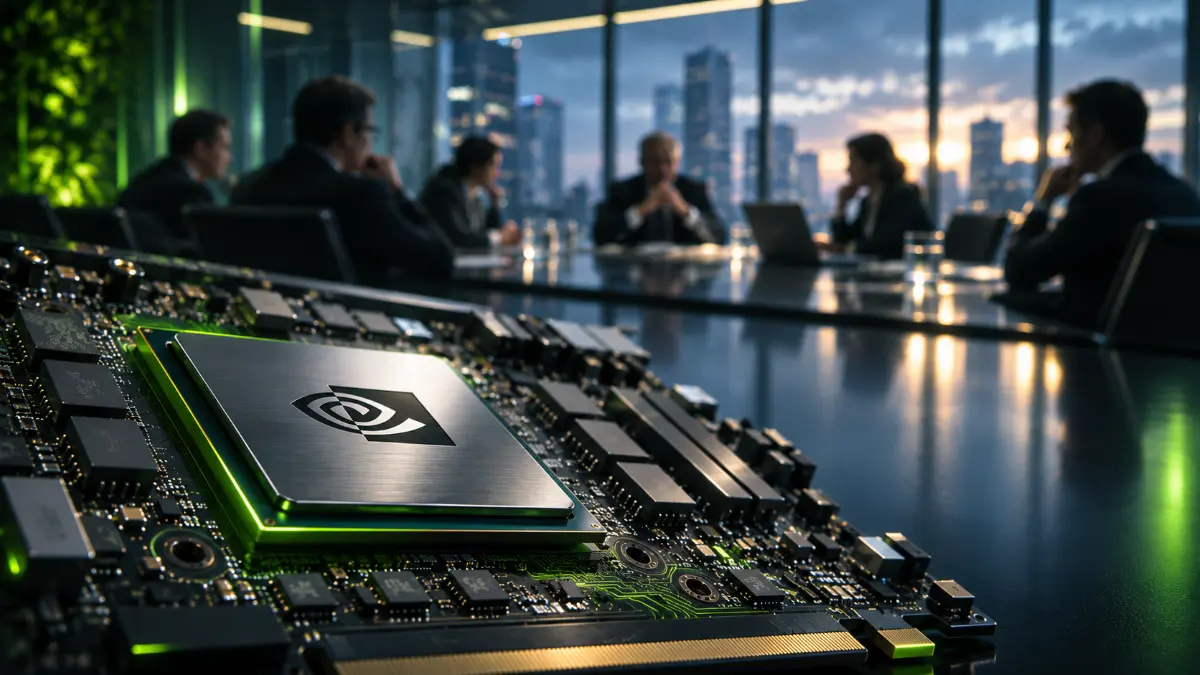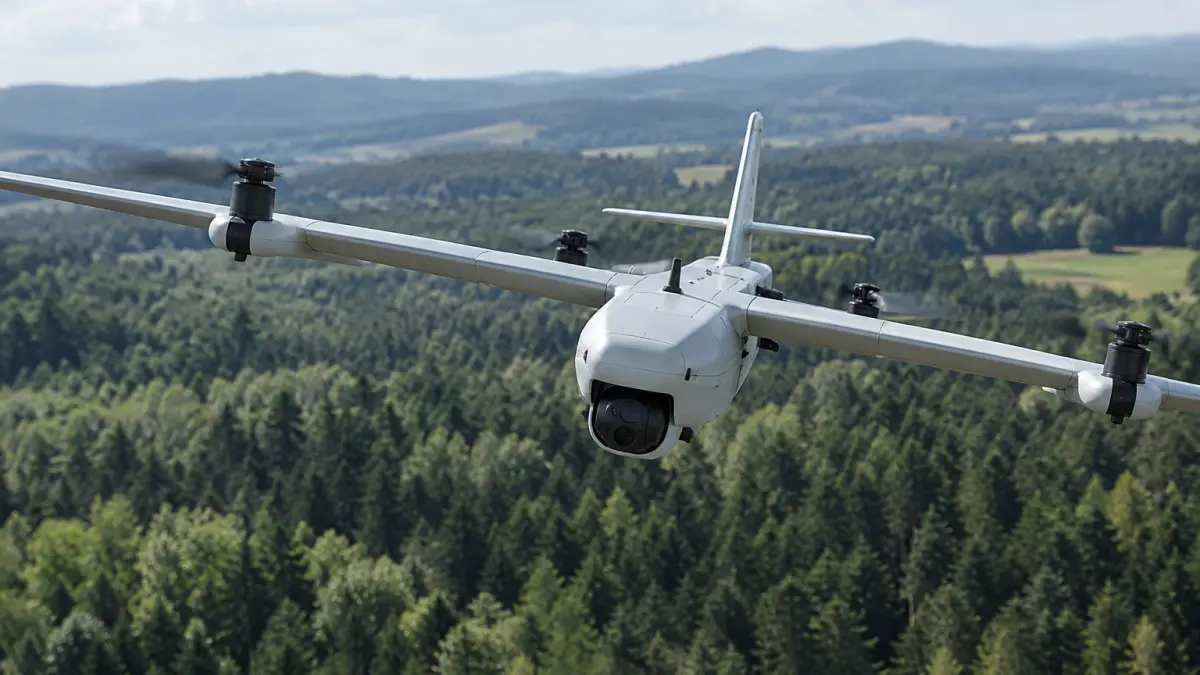

Germany’s Bundeswehr has reportedly lifted a precautionary grounding of drones manufactured by German defense technology company Quantum Systems, allowing operations to resume following a cybersecurity incident involving a suspected malicious software update. The temporary suspension highlights the growing importance of software integrity in military aviation, where even a potential compromise can raise questions about operational safety, mission reliability, and the security of sensitive information.
The incident reportedly involved a suspicious update that reached military servers, prompting concerns about whether software associated with the drones or their supporting infrastructure could have been compromised. Although operations have resumed following security assessments, authorities have not publicly disclosed the full technical details of the incident, including the malware’s capabilities, the systems potentially affected, or the specific measures taken before flights were authorized again.
What Triggered the Drone Grounding?
The Bundeswehr reportedly suspended operations involving Quantum Systems drones after detecting a potentially malicious software update within its military technology environment. The precautionary decision reflected concerns that compromised software could affect systems used to manage, maintain, or operate the aircraft.
Modern military drones depend on more than their onboard flight-control software. They operate within broader ecosystems that can include ground control stations, mission-planning applications, communication equipment, data-processing systems, and maintenance infrastructure. A security incident involving any of these components can require an investigation before commanders can determine whether operations can continue safely.
Importantly, the reported detection of malware on military servers does not necessarily establish that malicious code reached the drones themselves. The distinction between a compromised supporting system and compromised aircraft firmware is critical when evaluating the scope and severity of an incident.
The available account does not establish whether the suspicious update originated from a vendor distribution system, an internal military network, or another part of the software supply chain. It also does not identify the malware family, its intended purpose, or whether attackers gained unauthorized access to operational drone systems.
Why the Bundeswehr Allowed Flights to Resume
Following security assessments, the Bundeswehr reportedly authorized Quantum Systems drones to return to service. The decision suggests that military authorities considered the immediate operational concerns sufficiently addressed to permit continued use.
Before restoring equipment affected by a suspected software compromise, security teams may examine software integrity, validate trusted versions, review system logs, inspect network activity, and determine whether unauthorized changes have occurred. Depending on the findings, remediation can involve isolating affected systems, removing malicious components, restoring verified software, or tightening access controls.
However, these are established cybersecurity practices rather than confirmed details of the Bundeswehr’s response. German military authorities have not publicly provided a comprehensive technical account of the investigation or the measures used to authorize the drones’ return.
Resuming operations also should not be interpreted as proof that every aspect of the incident has been resolved. In sensitive defense environments, technical investigations and security improvements may continue after equipment returns to service.
The Cybersecurity Risks Behind Military Drone Software
Military drones increasingly rely on interconnected software systems to perform reconnaissance, surveillance, navigation, and mission coordination. This dependence creates operational advantages but also introduces cybersecurity risks that extend beyond the aircraft itself.
Software updates are essential for correcting vulnerabilities, improving reliability, and introducing new capabilities. Yet the mechanisms used to distribute and install those updates can become attractive targets for attackers.
A software supply-chain attack occurs when an adversary compromises a trusted development, distribution, or update process to deliver malicious code through a channel that users normally consider legitimate.
In a military drone environment, a compromised update could potentially affect ground control software, mission-planning systems, data-processing infrastructure, or other connected components. The consequences would depend on the affected system, the attacker’s privileges, and the security controls separating critical functions.
For example, a compromised support application might expose sensitive mission information without directly affecting flight controls. A more serious intrusion involving operational systems could create risks to mission availability, communications, or equipment integrity.
There is no publicly established evidence in the supplied account that these more severe outcomes occurred during the Quantum Systems incident.
Why Software Integrity Matters for Defense Systems
The incident illustrates why defense organizations must treat software integrity as a core component of operational readiness.
Unlike conventional consumer devices, military systems may operate in environments where a software failure or unauthorized modification has consequences for personnel safety, intelligence security, and mission execution.
Protecting these systems requires several layers of defense. Digitally signed updates can help verify software authenticity, while secure boot mechanisms can restrict the execution of unauthorized firmware. Network segmentation can limit the movement of threats between administrative systems and mission-critical infrastructure, and continuous monitoring can help identify suspicious activity before it spreads.
These controls are most effective when supported by rigorous supplier assessments, controlled update procedures, and independent verification of critical software components.
The challenge becomes more complicated as defense organizations adopt commercially developed technologies and integrate equipment from multiple suppliers. Each additional software dependency, maintenance interface, and external service can introduce new security considerations.
For manufacturers such as Quantum Systems, demonstrating that software can be securely developed, distributed, updated, and maintained is therefore increasingly important alongside traditional measures of aircraft performance.
Broader Implications for European Defense Technology
Quantum Systems develops unmanned aerial systems used for reconnaissance and other intelligence-gathering applications. Its technology forms part of a growing European defense sector focused on providing adaptable unmanned systems for modern military operations.
As European armed forces expand their use of drones, cybersecurity is becoming an increasingly important factor in procurement and operational planning.
Military customers must evaluate not only an aircraft’s range, sensors, endurance, and communications capabilities, but also the security of its software ecosystem and the manufacturer’s ability to respond to vulnerabilities.
The Bundeswehr’s precautionary grounding illustrates the operational consequences that can arise even when the full scope of a suspected compromise remains uncertain. Temporarily suspending equipment can reduce immediate risk, but it may also affect training schedules, surveillance availability, and mission planning.
That trade-off reinforces the need for security processes capable of detecting threats quickly, determining their scope, and restoring trusted systems without unnecessary delays.
What Happens Next?
The immediate development is the reported return of Quantum Systems drones to Bundeswehr operations. The longer-term significance will depend on what investigators determine about the suspicious update and whether additional safeguards are introduced.
Several questions remain unanswered, including how the update entered the affected environment, which systems were exposed, whether any unauthorized access occurred, and what technical findings supported the decision to resume flights.
Further official disclosures could clarify whether the incident involved a compromised software distribution mechanism, a localized infection, or another cybersecurity issue. Until those details become available, attributing the event to a particular threat actor or describing it as a successful compromise of drone flight systems would be premature.
A Reminder That Drone Security Extends Beyond the Aircraft
The Bundeswehr’s response demonstrates how cybersecurity concerns can directly affect the availability of modern military equipment. As drones become more capable and increasingly integrated with digital command systems, their security depends on the integrity of the entire supporting environment.
The reported return to service is an important operational development, but it does not eliminate the broader challenge of protecting military software supply chains.
The central lesson is that securing a military drone requires more than protecting its flight controls. Every trusted software update, ground station, communication interface, and supporting system contributes to the security and reliability of the aircraft’s mission.