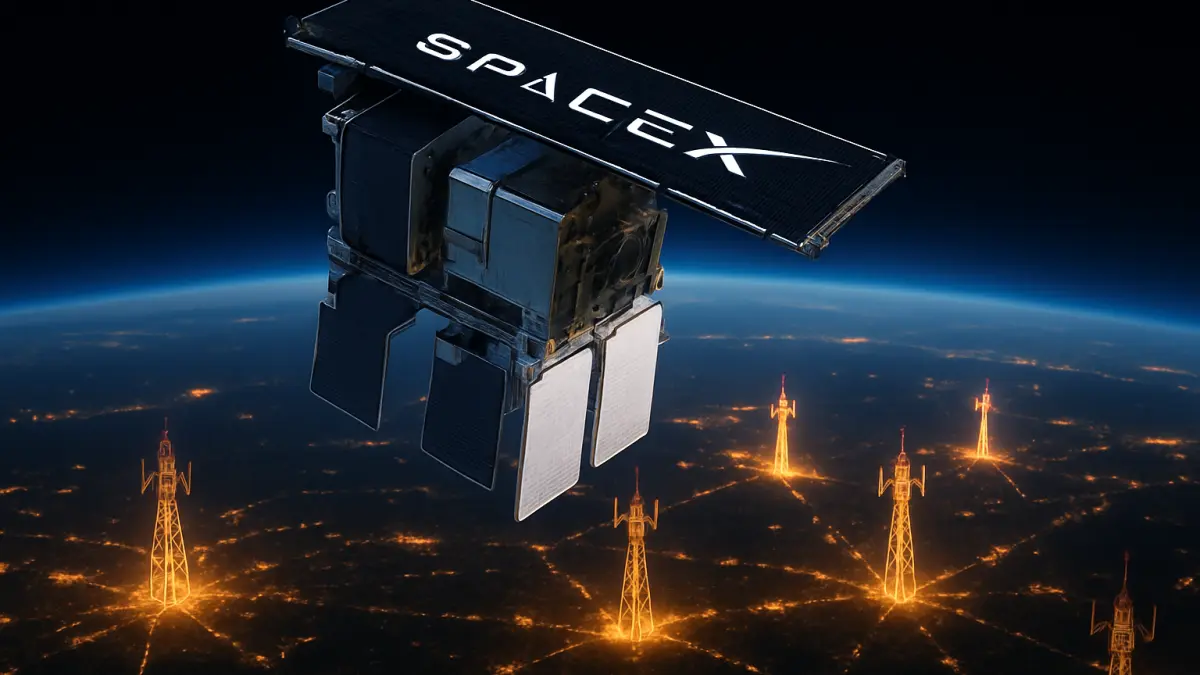

SpaceX is reportedly in discussions to secure access to at least 80,000 cell sites across the United States, a move that could pave the way for the company to establish a fourth nationwide wireless carrier. This ambitious plan would position SpaceX as a direct competitor to the existing telecom giants: AT&T, Verizon, and T-Mobile.
Strategic Expansion into Wireless Infrastructure
The negotiations involve major cellular infrastructure companies, including Crown Castle, which operates approximately 40,000 U.S. towers. By targeting 80,000 cell sites, SpaceX aims to control a significant portion of the nation’s wireless infrastructure, potentially reshaping the competitive landscape of the telecommunications industry.
Financial Implications and Market Reactions
Establishing a nationwide wireless network is a capital-intensive endeavor. Analysts estimate that building such a network could cost over $80 billion and take several years to complete. This substantial investment underscores the scale of SpaceX’s ambitions in the telecommunications sector.
The news of SpaceX’s plans has already impacted the stock market. Shares of AT&T, Verizon, and T-Mobile experienced declines of approximately 4.2% to 5% in extended trading following the announcement. This market reaction highlights the potential disruption SpaceX’s entry into the wireless market could cause to existing carriers.
Integration of Satellite and Terrestrial Networks
SpaceX’s strategy involves integrating its existing satellite network, Starlink, with terrestrial cell sites. This hybrid approach aims to provide comprehensive coverage, combining the broad reach of satellite connectivity with the reliability of ground-based infrastructure. Such integration could offer seamless service in both urban and rural areas, addressing coverage gaps that current carriers may not fully cover.
Regulatory Considerations and Industry Impact
The establishment of a fourth nationwide wireless carrier would require approval from regulatory bodies, including the Federal Communications Commission (FCC). SpaceX’s acquisition of low-band spectrum in the 800 MHz band is a crucial step in this process, as it provides the necessary airwaves for mobile communication. However, the integration of satellite and terrestrial networks presents unique regulatory challenges that SpaceX will need to navigate.
The potential entry of SpaceX into the wireless market could lead to increased competition, potentially resulting in better service quality and pricing for consumers. Established carriers may need to innovate and adjust their strategies to maintain market share in the face of this new competition.
What to Watch Next
As negotiations progress, stakeholders should monitor the outcomes of SpaceX’s discussions with tower companies and the regulatory approvals required for spectrum acquisition. The development of this new wireless network could significantly alter the dynamics of the telecommunications industry, influencing everything from consumer choices to technological advancements in mobile connectivity.