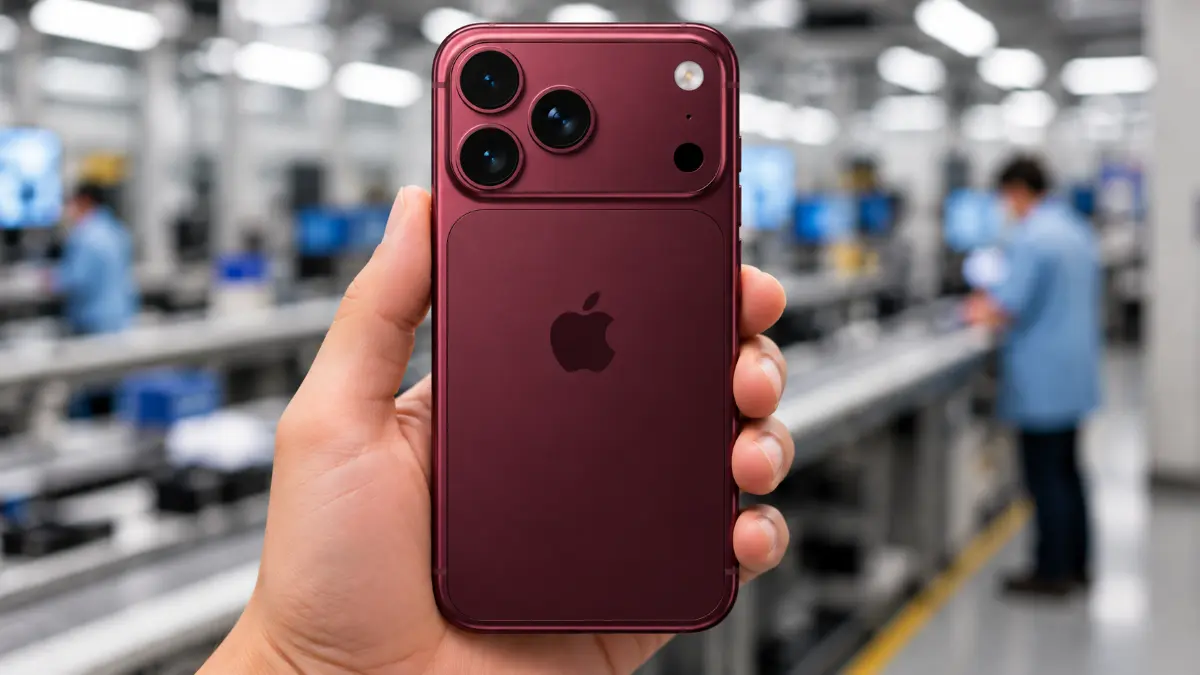

Apple has reportedly instructed select suppliers to reduce production of the iPhone 18 Pro and iPhone 18 Pro Max models, signaling weaker-than-anticipated consumer demand. According to a report from Nikkei Asia, the production cut stems from “soft demand,” which industry sources attribute partly to the higher price points of the new Pro models.
This development marks a notable shift for Apple’s flagship iPhone lineup, which typically sees strong sales momentum following launch. The iPhone 18 Pro series, introduced with incremental upgrades and premium pricing, appears to be facing challenges in maintaining the usual enthusiasm among buyers.
What Changed: Production Cuts for iPhone 18 Pro Models
Apple’s decision to reduce component orders for the iPhone 18 Pro and Pro Max models reflects a strategic response to slower sales. The company reportedly communicated these cuts to select suppliers, indicating a scale-back in manufacturing volume. This is a departure from the usual ramp-up phase Apple undertakes post-launch to meet anticipated demand.
The iPhone 18 Pro models, positioned as the premium tier in the 2026 iPhone lineup, have experienced a demand shortfall significant enough to prompt this supply adjustment. While Apple has not publicly confirmed the production changes, supply chain reports suggest the cuts are substantial enough to impact overall availability.
How Pricing Influences Demand for Premium iPhones
A key factor cited in the softer demand is the increased pricing of the iPhone 18 Pro series. Apple’s pricing strategy for these models has pushed the cost higher than previous generations, which may have dampened consumer enthusiasm. The premium features and hardware improvements, while notable, have not fully offset the sticker shock for many buyers.
Higher prices can affect demand elasticity, especially in markets where consumers weigh cost against incremental upgrades. This dynamic appears to be at play with the iPhone 18 Pro, where the balance between innovation and affordability is proving delicate.
Implications for Apple’s Supply Chain and Market Strategy
Reducing production orders impacts Apple’s supply chain logistics, from component manufacturers to assembly lines. Suppliers must adjust their output forecasts, which can ripple through the broader electronics manufacturing ecosystem. For Apple, managing inventory and avoiding overstock becomes critical to maintaining profitability and operational efficiency.
From a market strategy perspective, the production cut may prompt Apple to reconsider pricing or promotional tactics to stimulate demand. It also highlights the challenges Apple faces in sustaining growth in a mature smartphone market where incremental upgrades are scrutinized more closely by consumers.
What Remains Unchanged: Apple’s Ecosystem and Product Lineup
Despite the production cut for the iPhone 18 Pro models, Apple’s broader ecosystem and product lineup remain robust. The standard iPhone 18 and other Apple devices continue to support the company’s ecosystem strategy, including integration with iOS, macOS, and services like iCloud and Apple Music.
Developers and users of the Apple ecosystem should note that this production adjustment does not affect software updates, app development, or the overall user experience across Apple devices. The change is primarily a supply-side response to market conditions rather than a shift in product direction.
Strategic Context: Navigating a Saturated Smartphone Market
Apple’s move to cut iPhone 18 Pro production underscores the challenges of operating in a saturated smartphone market. With many consumers holding onto devices longer and incremental hardware improvements becoming less compelling, demand volatility is increasing.
Apple’s premium pricing strategy, while supporting high margins, must be balanced against consumer willingness to upgrade. This production adjustment may signal a recalibration as Apple navigates these market realities while continuing to invest in innovation and ecosystem expansion.
What to Watch Next: Pricing, Demand, and Future iPhone Cycles
The immediate focus will be on how Apple manages pricing and marketing for the iPhone 18 Pro models moving forward. Will Apple introduce incentives or adjust pricing to boost demand? Additionally, the impact on supplier relationships and component sourcing will be closely monitored.
Looking ahead, this situation may influence Apple’s approach to future iPhone cycles, particularly in balancing feature innovation with consumer price sensitivity. Observers should watch for signals in upcoming product announcements and supply chain activity for clues on Apple’s evolving strategy.