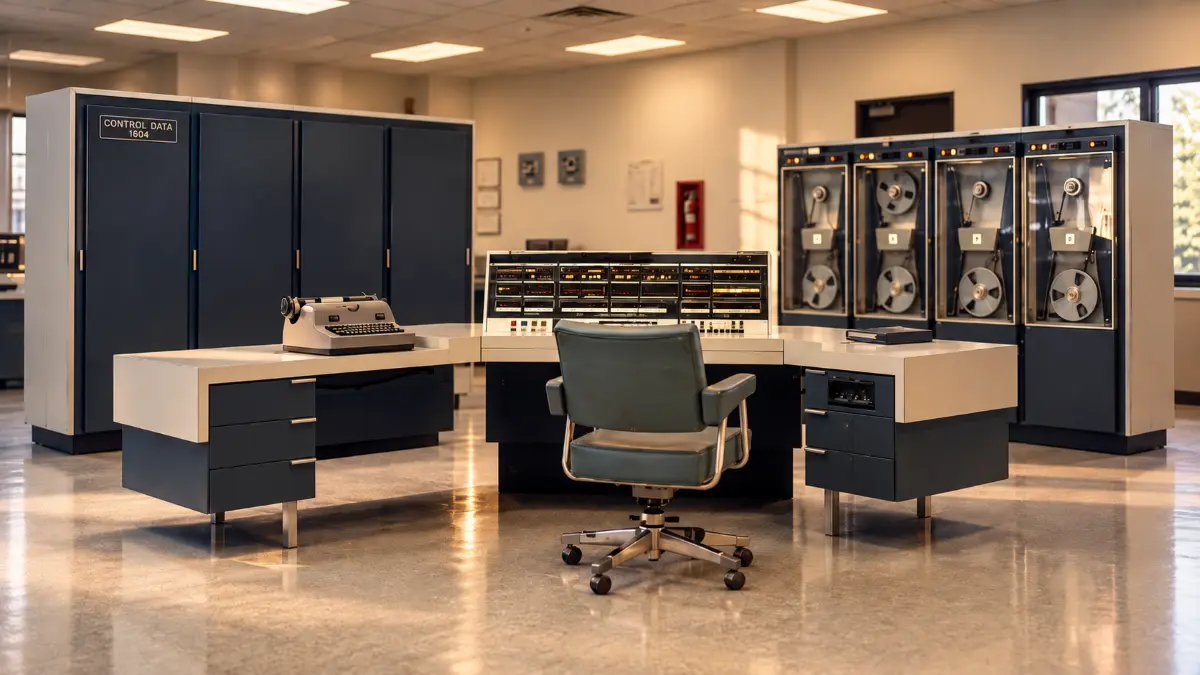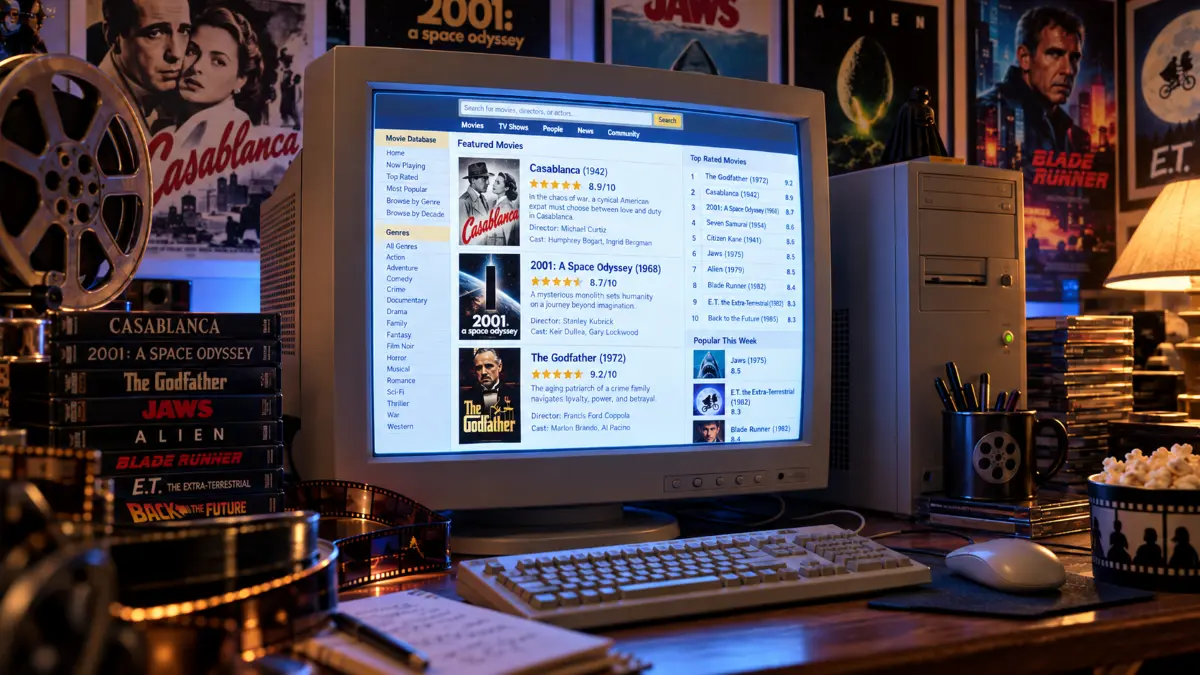

Picture a time before streaming giants and endless online reviews, a digital void where movie fans struggled to find reliable, centralized information about films. On October 17, 1990, Colin Needham, an English movie enthusiast and HP engineer, changed that by launching the “rec.arts.movies movie database.” This project would evolve into what we now know as the Internet Movie Database, or IMDb.
The Internet Movie Database began as a grassroots effort to catalog films, actors, directors, and production details. Needham’s vision was simple yet ambitious: create a comprehensive, user-driven repository for movie information. By 1996, Needham had left his engineering job to dedicate himself fully to IMDb, underscoring the database’s growing importance. Two years later, in 1998, Amazon acquired IMDb, recognizing its value as a digital media powerhouse.
At the time, IMDb solved a glaring problem. Before its existence, film data was scattered across magazines, books, and niche fan communities. This fragmentation made it difficult for both casual viewers and industry insiders to access accurate and up-to-date information. IMDb’s centralized, searchable platform streamlined this process, making film data accessible to anyone with an internet connection.
The site’s impact extended beyond convenience. IMDb introduced a new level of transparency and engagement to the film industry. Users could rate movies, write reviews, and contribute trivia, turning passive consumers into active participants. This interaction created a dynamic ecosystem where audience opinions could influence perceptions and even box office performance.
IMDb also became an essential tool for professionals. Casting directors, agents, and producers use the database to verify credits and track careers. Its detailed records support everything from research to marketing strategies. The platform’s role as an authoritative source has only deepened over time, cementing its place in the entertainment ecosystem.
What changed because of IMDb is not just how we find movie information, but how we engage with media culture itself. It set a precedent for user-generated content combined with professional oversight, a model that many other platforms have since adopted. The database’s structure and community-driven approach anticipated the social media era’s emphasis on participation and transparency.
Today, IMDb remains one of the most visited websites globally, a testament to its enduring relevance. It continues to evolve, integrating new technologies such as AI-driven recommendations and enhanced multimedia content. Despite the proliferation of streaming services and specialized apps, IMDb’s comprehensive database remains unmatched in scope and reliability.
The site also highlights the power of passion-driven tech projects. Needham’s journey from a hobbyist compiling data to managing a global digital platform illustrates how focused dedication can create tools that shape entire industries. IMDb’s story underscores the importance of accessible, well-organized information in the digital age.
Reflecting on this event, it’s clear that IMDb did more than catalog movies. It transformed how audiences and professionals interact with film data, fostering a global community united by shared knowledge. As digital media continues to expand, the principles behind IMDb’s creation, openness, accuracy, and user engagement, remain critical to building trustworthy platforms.