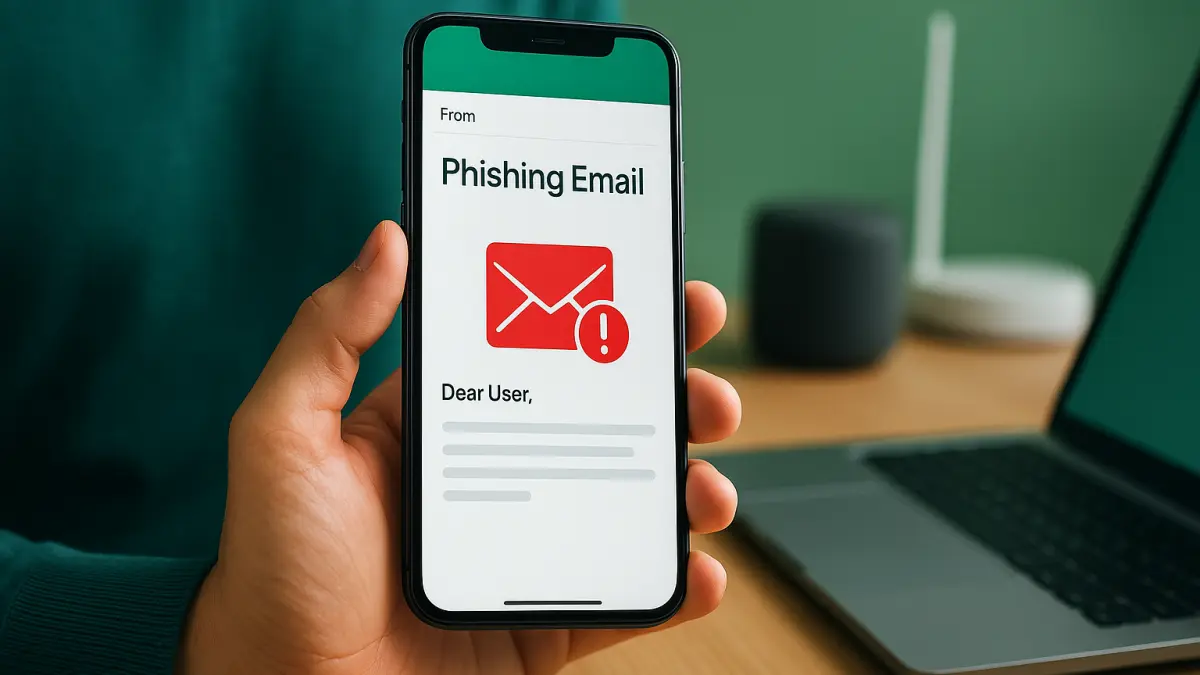

Phishing emails have evolved significantly over the years, becoming more sophisticated and harder to detect. The claim that phishing emails are now so advanced that even tech experts can be fooled is true.
Claim: Phishing emails are now so sophisticated that even tech experts can be fooled.
Quick answer: Phishing emails have evolved with advanced social engineering, making it possible to deceive even experienced tech professionals.
Why Phishing Has Become More Effective
Modern phishing attacks rely heavily on advanced social engineering techniques. Attackers carefully craft emails that closely mimic legitimate communications from trusted sources such as banks, service providers, or workplace IT departments. These emails often include realistic logos, familiar language, and plausible scenarios that increase the likelihood of recipients clicking malicious links or providing sensitive information.
Unlike earlier phishing attempts that were often riddled with spelling mistakes or obvious inconsistencies, today’s phishing emails can be highly personalized and context-aware. Attackers sometimes gather information from social media profiles or previous data breaches to tailor messages that appear genuine, making it difficult even for experienced technology professionals to spot them immediately.
Why This Matters to Everyone
The increasing sophistication of phishing attacks means that no one is completely safe, including tech experts who are usually more aware of cybersecurity risks. This underscores the importance of maintaining vigilance, regularly updating security training, and employing technical safeguards such as multi-factor authentication and email filtering solutions.
For general users, the practical takeaway is to critically evaluate unexpected emails, especially those requesting personal information or urging immediate action. Verify suspicious messages through separate channels when possible and keep software and security tools up to date.
Practical Tips to Stay Safe
- Check sender email addresses carefully for subtle differences.
- Hover over links to see their true destination before clicking.
- Use multi-factor authentication for important accounts.
- Keep your operating system and antivirus tools current.
- Report suspicious emails to your IT department or email provider.
In conclusion, phishing emails have reached a level of sophistication that challenges even experts. Staying informed and cautious remains the best defense against these evolving threats.