
Nvidia is exploring an innovative strategy to expand its AI infrastructure by repurposing more than 130 telecommunications buildings across the United States into small-scale data centers. This initiative seeks to leverage existing facilities to meet the growing demand for AI processing power while circumventing regulatory challenges associated with constructing new data centers.
Strategic Collaboration with Brightspeed
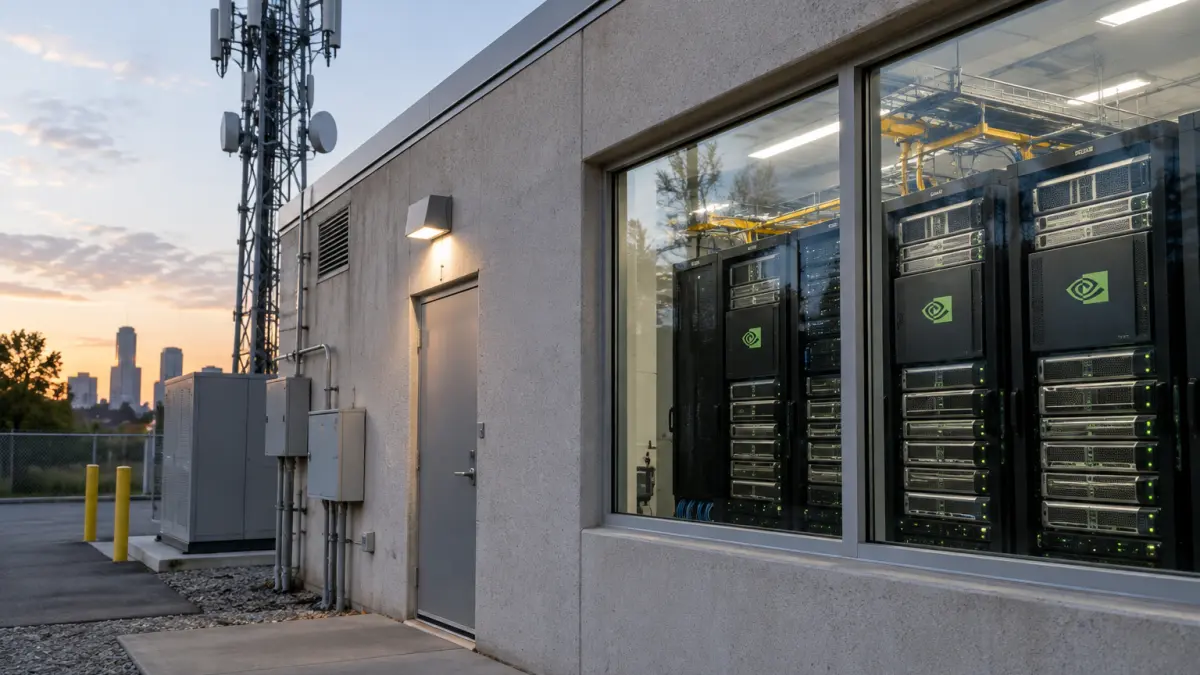
The proposal involves a partnership with Brightspeed, a telecommunications provider owned by Apollo Global Management. Nvidia has approached Apollo with a plan to convert Brightspeed’s existing buildings into AI data centers. These facilities are already equipped with the necessary infrastructure to support Nvidia’s servers, including power and cooling systems. By utilizing these sites, Nvidia aims to rapidly deploy AI processing capabilities without the delays typically associated with building new data centers from the ground up.
Addressing Data Center Moratoriums
The move comes in response to increasing resistance to large-scale data center constructions in various U.S. communities. Local bans and moratoriums have been enacted, making it more challenging for companies to establish new data centers. By repurposing existing telecom buildings, Nvidia can bypass these regulatory hurdles, accelerating the deployment of AI infrastructure. This approach aligns with broader industry trends where companies are seeking to optimize existing assets to meet the surging demand for AI processing power.
Potential Capacity and Deployment
Nvidia estimates that the repurposed Brightspeed buildings could collectively provide approximately 1 gigawatt of compute capacity. This would be sufficient to accommodate over 2,200 Supermicro Vera Rubin NVL72 racks, each containing 72 Rubin GPUs and 36 Vera CPUs. The existing power infrastructure in these buildings is already capable of supporting such hardware, facilitating a smoother transition to AI data centers. However, additional installations, such as enhanced cooling systems, may be required to optimize performance.
Implications for AI Infrastructure Deployment
This strategy reflects a growing trend in the tech industry to repurpose existing facilities to meet the escalating demand for AI processing power. By utilizing existing telecom buildings, Nvidia can expedite the deployment of AI infrastructure, reducing the time and cost associated with building new data centers. This approach also addresses community concerns related to large-scale data center constructions, offering a more sustainable and community-friendly solution.
Next Steps and Considerations
The proposal is currently in the exploratory phase, with Nvidia seeking additional information and conducting site visits to assess the feasibility of the plan. The next steps involve detailed evaluations of the existing infrastructure, potential modifications required, and discussions with local authorities to ensure compliance with regulations. If successful, this initiative could set a precedent for future AI infrastructure deployments, highlighting the potential of repurposing existing assets to meet technological demands.
As Nvidia continues to explore this innovative approach, stakeholders will be closely monitoring the developments to understand the broader implications for AI infrastructure deployment and the tech industry’s ability to adapt to regulatory challenges.