
Apple’s next iPhone iteration, the iPhone 18e, is reportedly set to emphasize a chip upgrade while maintaining a largely unchanged design. According to a well-known leaker, this model will focus on improving performance through its internal silicon rather than introducing significant external or feature modifications.
This approach suggests Apple is doubling down on refining the core processing capabilities of the iPhone 18e, potentially delivering faster speeds, better efficiency, and enhanced overall user experience without altering the device’s physical appearance or adding new hardware features.
The iPhone 18e’s Chip Upgrade: What to Expect
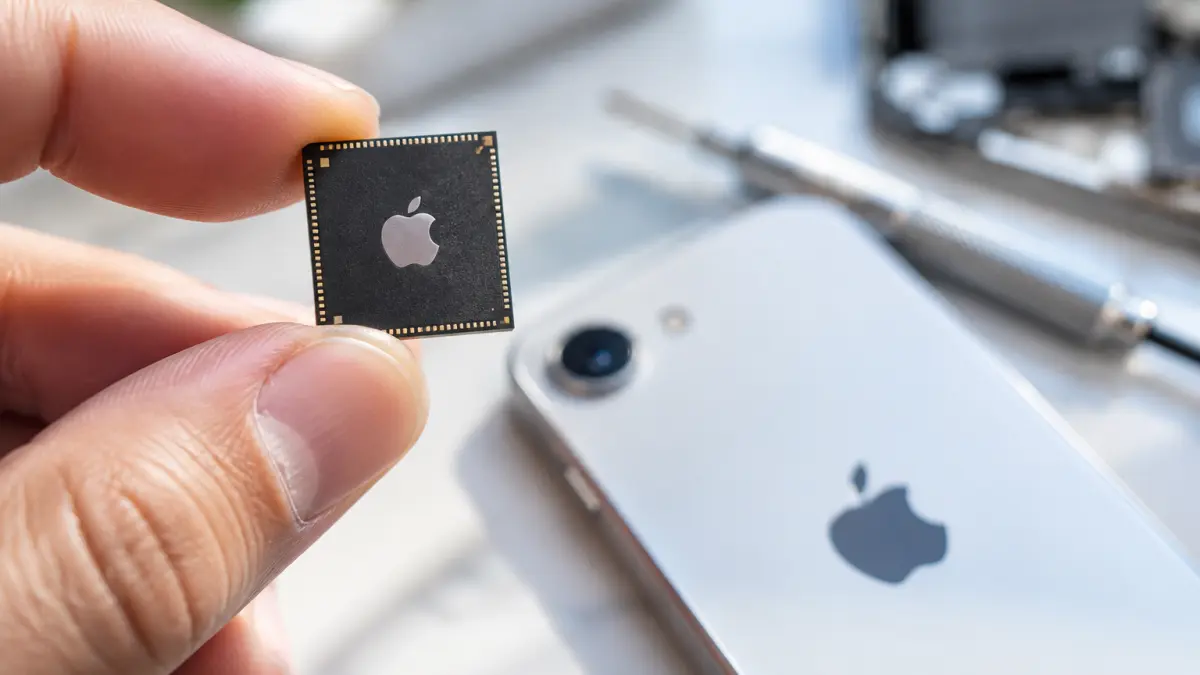
The central change in the iPhone 18e is expected to be a new chip, likely an evolution of Apple’s in-house silicon line. Apple’s chip advancements typically bring improvements in CPU and GPU performance, power efficiency, and machine learning capabilities. While specific details about the chip’s architecture or designation have not been disclosed, this upgrade will likely enhance app responsiveness, gaming performance, and battery life.
Apple’s silicon roadmap has consistently focused on integrating more powerful and efficient processors with each generation, enabling the iPhone to handle increasingly demanding tasks while maintaining or improving battery longevity. The iPhone 18e’s chip upgrade fits this pattern, prioritizing internal performance gains over external design changes.
Minimal Design and Feature Changes
Unlike some previous iPhone launches that introduced new form factors, camera systems, or display technologies, the iPhone 18e is rumored to retain the existing design language and feature set. This means users should not expect major visual redesigns, new camera hardware, or significant changes to the display.
By maintaining the current design, Apple can streamline production and focus resources on optimizing the chip and software integration. This strategy also appeals to users who prioritize performance improvements but are satisfied with the current iPhone design and features.
Implications for Users and Developers
For users, the iPhone 18e’s chip upgrade promises smoother performance in everyday tasks, faster app launches, and potentially better battery efficiency. Enhanced machine learning capabilities could improve features like photography, voice recognition, and augmented reality experiences.
Developers may benefit from the new chip’s increased processing power and efficiency, enabling more complex and resource-intensive applications. However, since the device’s external hardware remains largely unchanged, developers focusing on hardware-specific features like new camera sensors or display technologies may see limited new opportunities with this model.
What Remains Unchanged in the iPhone Ecosystem
Despite the chip upgrade, the iPhone 18e will likely continue supporting the same accessories, cases, and peripherals compatible with recent models. There is no indication of new ports, connectors, or wireless technologies that would require users to update their existing accessories.
Additionally, software features tied to hardware innovations, such as advanced camera modes or new biometric sensors, are expected to remain consistent with the previous generation. This reinforces the notion that the iPhone 18e is an evolutionary step focused on internal improvements rather than a revolutionary redesign.
Strategic Context Behind Apple’s Incremental Update
Apple’s decision to concentrate on a chip upgrade with minimal other changes may reflect a strategic choice to optimize performance and efficiency while managing production costs and supply chain complexities. Incremental updates allow Apple to maintain a steady product release cadence without overhauling multiple components simultaneously.
This approach also aligns with Apple’s broader silicon strategy, which has been a cornerstone of its competitive advantage. By controlling chip design and integrating it tightly with iOS, Apple can deliver performance gains that differentiate its devices even without dramatic external changes.
What to Watch for in the iPhone 18e Launch
As the iPhone 18e launch approaches, attention will focus on the specifics of the new chip’s capabilities and how they translate into real-world performance improvements. Benchmark tests, battery life assessments, and developer feedback will provide deeper insights into the upgrade’s impact.
It will also be important to observe whether Apple introduces any subtle software enhancements that leverage the new chip’s power, potentially setting the stage for more significant innovations in future iPhone models.
In summary, the iPhone 18e appears poised to deliver a refined experience centered on a chip upgrade, offering users enhanced performance without altering the device’s familiar design or feature set.