
In a significant development within the telecommunications sector, Qualcomm Inc. has been selected to supply hardware components for SpaceX’s ambitious plan to establish a nationwide terrestrial wireless network in the United States. This collaboration marks a pivotal moment as SpaceX, traditionally known for its satellite services, ventures into the competitive landscape of terrestrial mobile communications.
SpaceX’s Strategic Shift into Terrestrial Mobile Networks
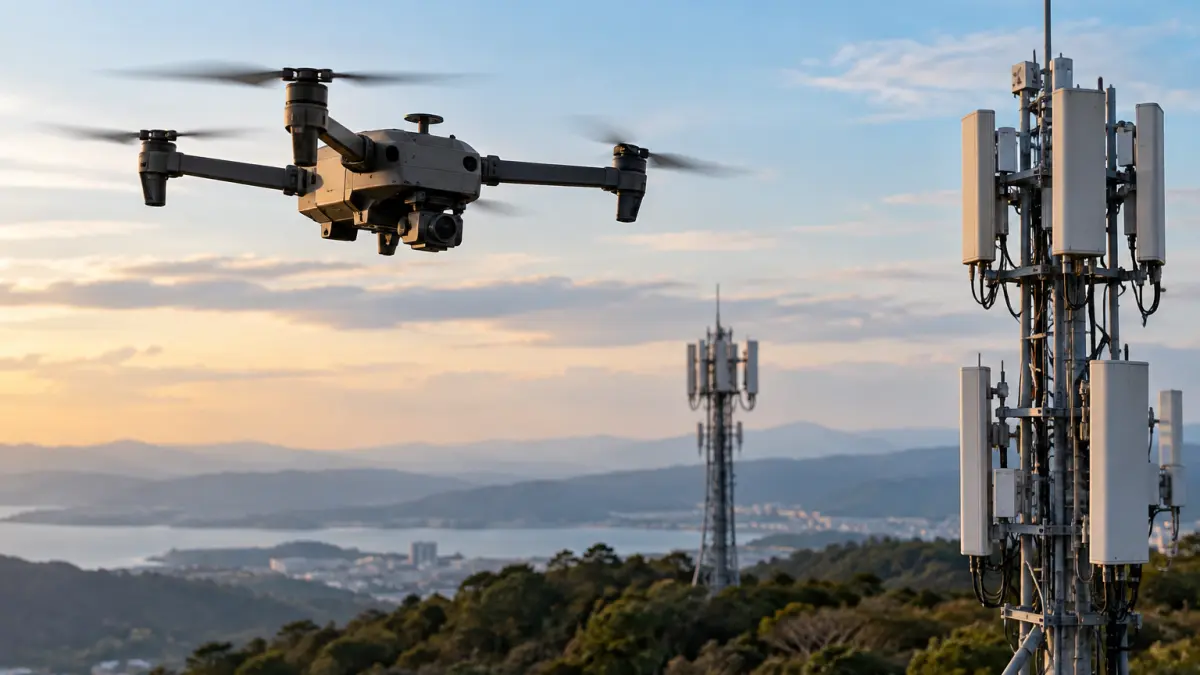
SpaceX’s initiative to build a terrestrial wireless network represents a strategic expansion beyond its satellite-based services. By integrating Qualcomm’s advanced hardware, SpaceX aims to deploy tens of thousands of cell sites across the nation, with plans to commence deployment in the coming year. This move positions SpaceX as a formidable contender in the U.S. mobile industry, challenging established giants such as Verizon, AT&T, and T-Mobile.
Qualcomm’s Role and Technological Contribution
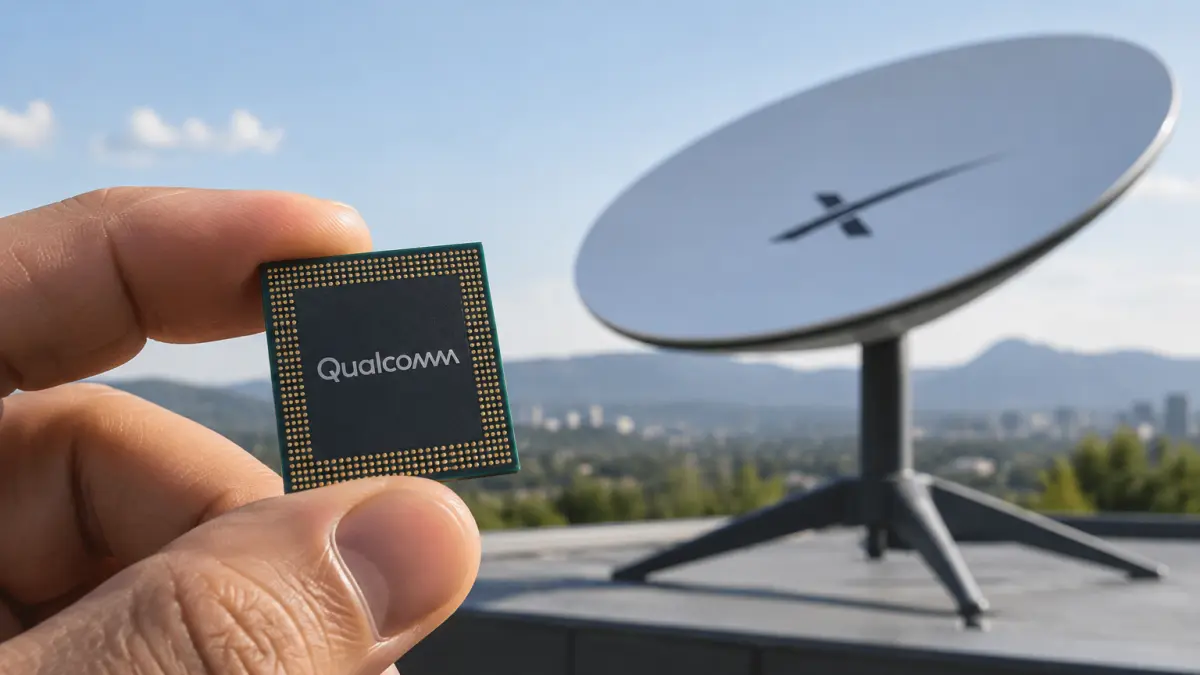
Qualcomm’s involvement is central to the success of SpaceX’s terrestrial network. The company will provide its Dragonwing chips and software, which are designed to support high-capacity, low-latency communications essential for modern mobile networks. This partnership leverages Qualcomm’s expertise in wireless technology to equip SpaceX with the necessary infrastructure to compete effectively in the mobile market.
Implications for the U.S. Mobile Industry
The entry of SpaceX into the terrestrial mobile network arena introduces a new dynamic to the U.S. telecommunications landscape. With its substantial financial resources and technological capabilities, SpaceX has the potential to disrupt the market by offering innovative services and competitive pricing. This development could lead to increased competition, prompting incumbent carriers to accelerate their own technological advancements and service enhancements to retain market share.
Challenges and Considerations
Despite the promising prospects, SpaceX faces several challenges in establishing a nationwide mobile network. The company must navigate regulatory approvals, secure additional spectrum licenses, and build extensive infrastructure to ensure comprehensive coverage and service reliability. Moreover, SpaceX’s previous attempts to collaborate with existing carriers, such as T-Mobile, have been met with resistance, with T-Mobile CEO Srini Gopalan stating there is “no room” for a Mobile Virtual Network Operator (MVNO) agreement with SpaceX.
Looking Ahead: Potential Market Impact
As SpaceX progresses with its plans, the broader implications for the U.S. mobile industry remain to be seen. The company’s innovative approach could lead to the introduction of new services and business models, potentially reshaping consumer expectations and industry standards. Stakeholders will be closely monitoring SpaceX’s developments, assessing both the opportunities and challenges presented by this new entrant into the mobile communications sector.
In conclusion, Qualcomm’s partnership with SpaceX to supply hardware for the latter’s U.S. mobile network signifies a noteworthy shift in the telecommunications industry. This collaboration not only highlights the evolving nature of mobile communications but also underscores the potential for technological innovation to drive competition and enhance service offerings in the market.