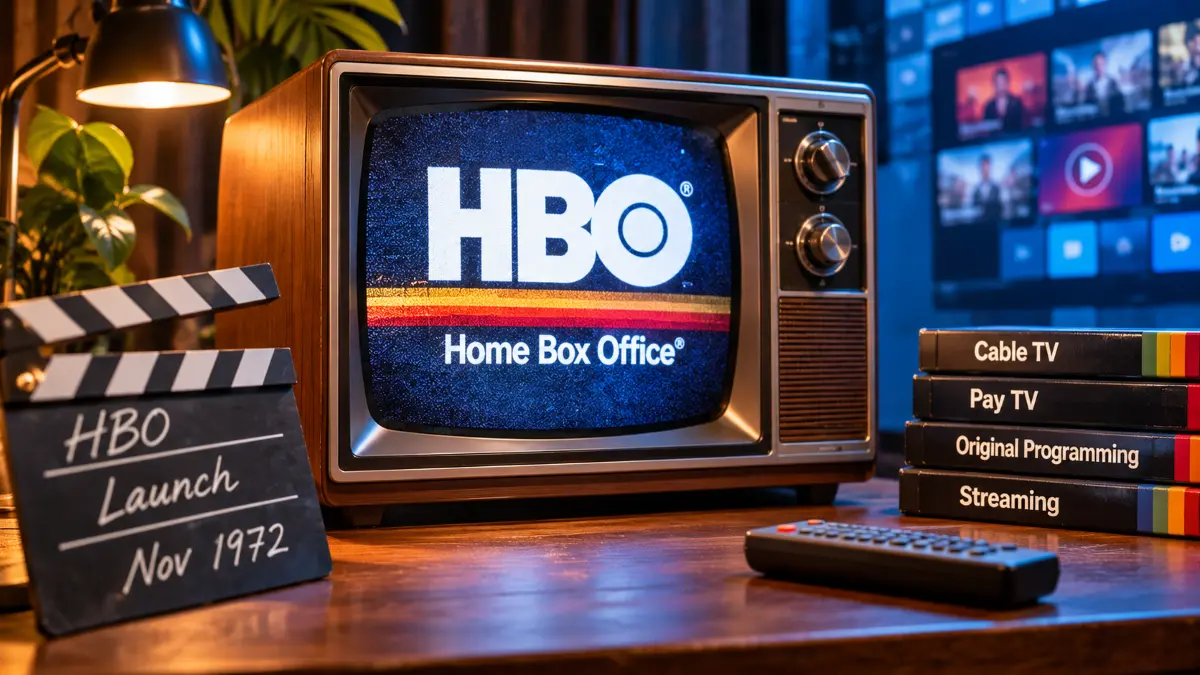

Imagine a world where television was strictly free and limited to a handful of channels. That changed on November 8, 1972, when American pay television network Home Box Office (HBO) launched. This event marked a new chapter in how audiences accessed and valued television content. The HBO launch 1972 was not just a business move; it was a technological and cultural inflection point that redefined content delivery and monetization.
At the time, HBO introduced a subscription-based model that bypassed traditional advertising revenue. This shift addressed a core problem: how to fund higher-quality, uncensored programming without relying on commercial breaks. HBO’s model allowed for more creative freedom and niche programming, something broadcast networks struggled to offer. The technology behind HBO’s distribution, using satellite feeds to cable systems, enabled it to reach a national audience in a way that was previously impossible.
What made HBO’s launch so consequential was its pioneering use of satellite technology to distribute premium content directly to cable operators. This solved a major technical challenge: delivering consistent, high-quality video signals across vast geographic areas. By doing so, HBO set the stage for the modern pay-TV industry and laid the groundwork for future innovations in content delivery networks. It also demonstrated the viability of subscription-based models, which would later become the backbone of streaming services.
The HBO launch 1972 changed the media landscape by proving that consumers were willing to pay for exclusive, high-quality content. This created a new revenue stream and encouraged investment in original programming. The ripple effects are visible today in the explosion of subscription streaming platforms that rely on similar principles but with even more advanced digital delivery technologies. HBO’s early adoption of satellite distribution foreshadowed the shift from terrestrial broadcast to digital streaming, highlighting the importance of scalable content delivery infrastructure.
Why does this still matter? HBO’s launch wasn’t just about a new channel; it was about a new way to think about media technology and economics. It showed how technology could enable new business models that prioritized user experience and content quality over mass advertising. This approach has influenced everything from how we binge-watch shows to how content creators fund their projects. The technical innovations that supported HBO’s initial rollout continue to underpin modern content delivery networks, ensuring efficient, reliable streaming worldwide.
Reflecting on the HBO launch 1972 reminds us that technological breakthroughs often come hand-in-hand with new economic models. It wasn’t just about better tech; it was about reimagining how technology serves content creators and audiences alike. The legacy of that launch lives on every time we choose to subscribe to a service that values quality and control over the viewing experience.