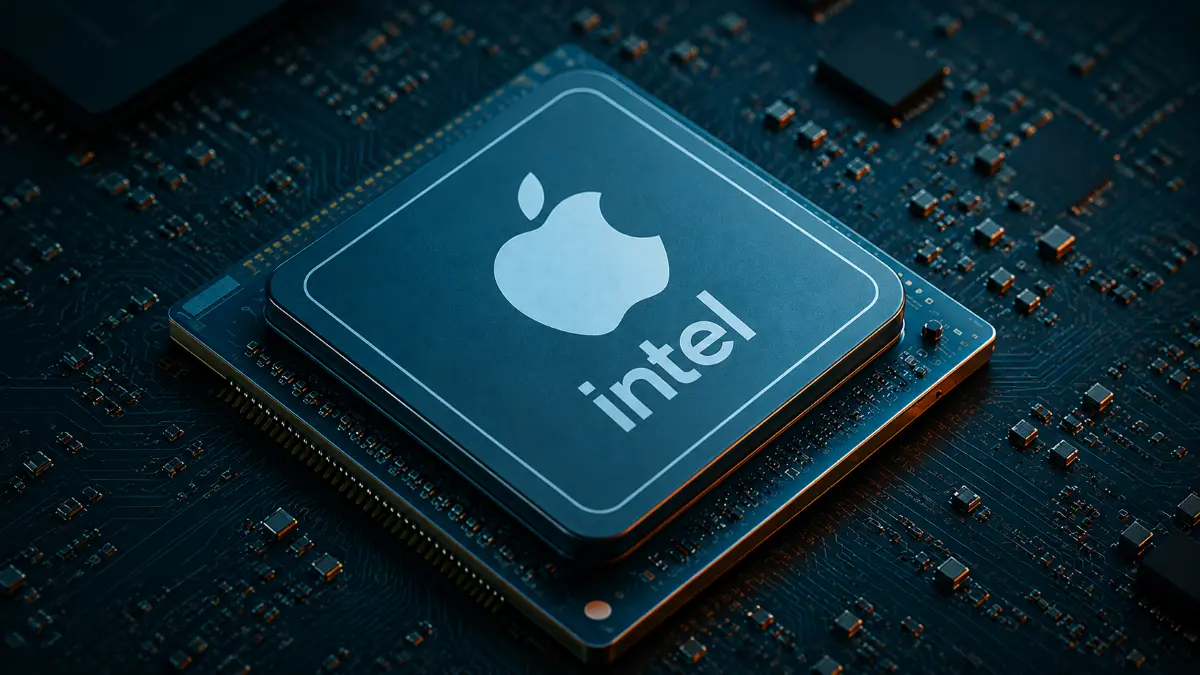

Apple and Intel are reportedly joining forces to manufacture chips in the United States, a move confirmed by President Trump on TruthSocial. The partnership will see Intel leveraging its American fabrication facilities to produce chips for future Apple devices. This development aligns with broader efforts to strengthen domestic semiconductor manufacturing amid global supply chain concerns.
The significance of Apple and Intel’s collaboration lies in its potential to reshape the US chip industry. Apple, traditionally reliant on overseas foundries, could reduce its dependence on foreign manufacturing hubs by tapping into Intel’s US-based fabs. For Intel, the deal represents a chance to expand its foundry business and compete more aggressively with global giants like TSMC and Samsung. This partnership signals a strategic pivot toward bolstering American chip production capabilities.
This move comes amid heightened geopolitical tensions and a global semiconductor shortage that have exposed vulnerabilities in the supply chain. Governments and companies alike have prioritized onshoring chip manufacturing to safeguard critical technology sectors. Intel’s existing infrastructure in the US, combined with Apple’s design expertise, could accelerate domestic chip production and innovation.
Strategically, the partnership may influence the competitive landscape of chip manufacturing. Intel’s foundry ambitions have faced challenges, but working with Apple could validate its manufacturing prowess and attract additional clients. For Apple, securing a reliable US-based supply chain may offer greater control over production timelines and costs, potentially impacting future device launches.
Looking ahead, industry watchers should monitor how this collaboration evolves, including the scale of chip production and the types of chips Intel will manufacture for Apple. The partnership could also prompt other tech companies to reconsider their manufacturing strategies, further driving investment in US semiconductor infrastructure.