
In the early days of computing, reliability was a constant battle. On June 20, 1950, the National Bureau of Standards dedicated the SEAC (Standards Eastern Automatic Computer) in Washington, marking a quiet but crucial leap in computer engineering. This wasn’t just another machine; it was the first computer in the United States to use all-diode logic, a technology that sidestepped the fragility of vacuum tubes.
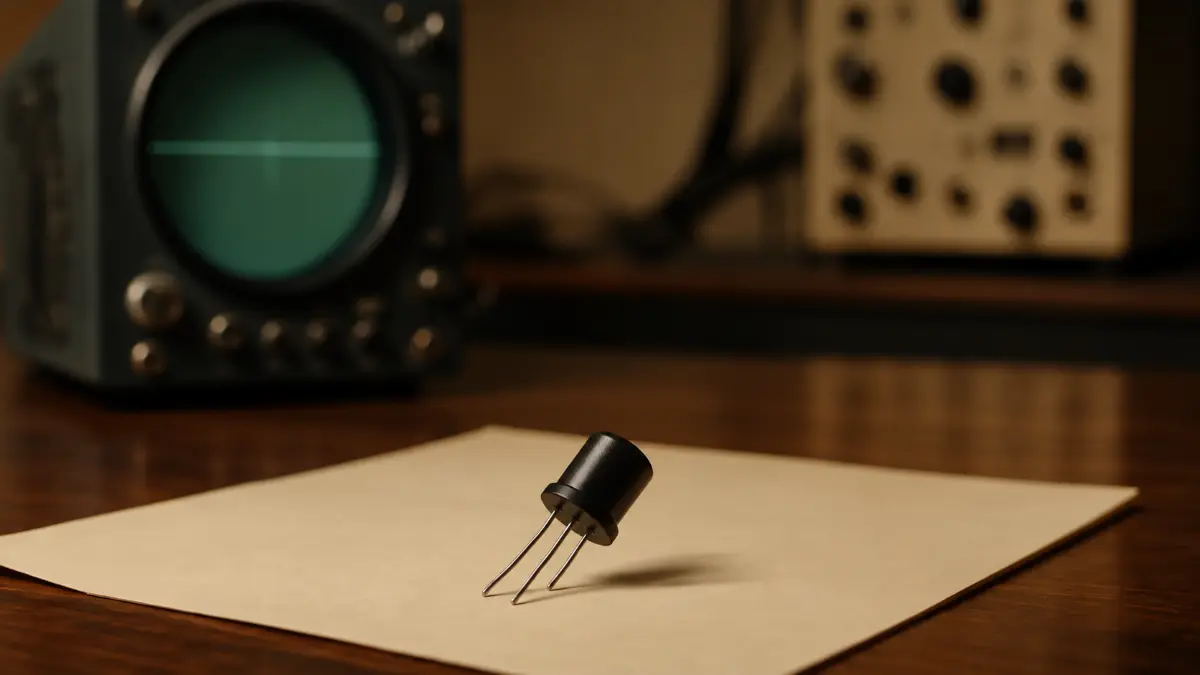
The SEAC’s all-diode logic was more than a technical curiosity. Vacuum tubes, the dominant technology of the era, were notorious for their tendency to burn out and cause system failures. Diodes, by contrast, offered a more dependable alternative, reducing downtime and maintenance. This shift meant computers could be more stable and predictable, a necessary foundation for scaling up computational tasks.
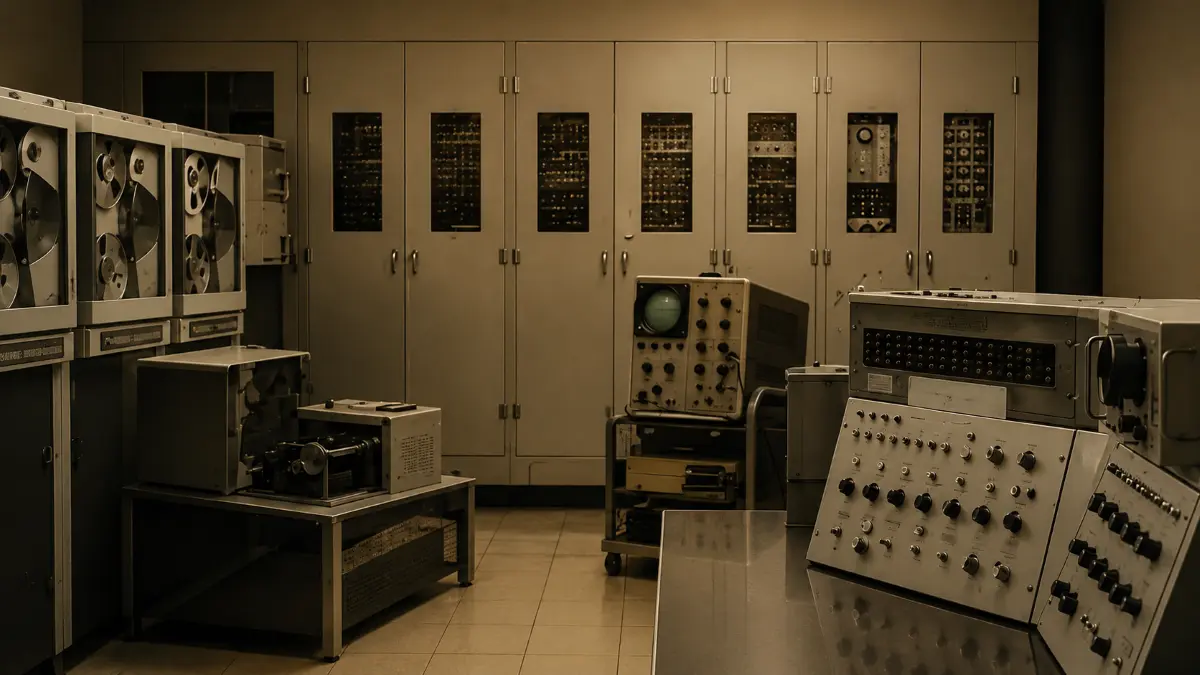
Beyond its logic design, SEAC was the first stored-program computer completed in the US. This architecture allowed instructions to be stored in memory rather than hardwired, enabling much greater flexibility in programming. SEAC’s external storage units used magnetic tape to hold programming information, coded subroutines, numerical data, and output. Magnetic tape was a game-changer, offering a way to handle larger datasets and more complex programs than ever before.
At the time, these innovations addressed two critical problems: hardware reliability and data storage. SEAC’s diode-based logic reduced the risk of hardware failure, while magnetic tape storage expanded the machine’s capacity to handle diverse and evolving computational needs. This combination helped move computing from experimental labs toward practical applications in science, engineering, and government.
The impact of SEAC’s design choices rippled through the decades. The move away from vacuum tubes anticipated the semiconductor revolution that would soon follow, paving the way for transistors and integrated circuits. Magnetic tape storage, meanwhile, laid groundwork for the data storage hierarchy that underpins modern computing systems. It’s easy to overlook these early steps, but without them, today’s flexible, reliable computers would be unimaginable.
SEAC’s all-diode logic also signaled a shift in how engineers approached computer design. Instead of relying on fragile components that required constant attention, they began to prioritize robustness and maintainability. This mindset persists in modern hardware engineering, where reliability is a top priority alongside performance.
Today, SEAC’s legacy is a reminder of the importance of incremental innovation. It didn’t grab headlines like later breakthroughs, but it solved real, practical problems that made computing more accessible and dependable. The stored-program concept combined with durable hardware and effective storage was a blueprint that influenced every generation of computing technology that followed.
Looking back, SEAC exemplifies how focusing on the nuts and bolts of technology, hardware stability, memory management, and data storage, can unlock new possibilities. It’s a lesson that still resonates as we push the boundaries of computing power, efficiency, and reliability in the 21st century.