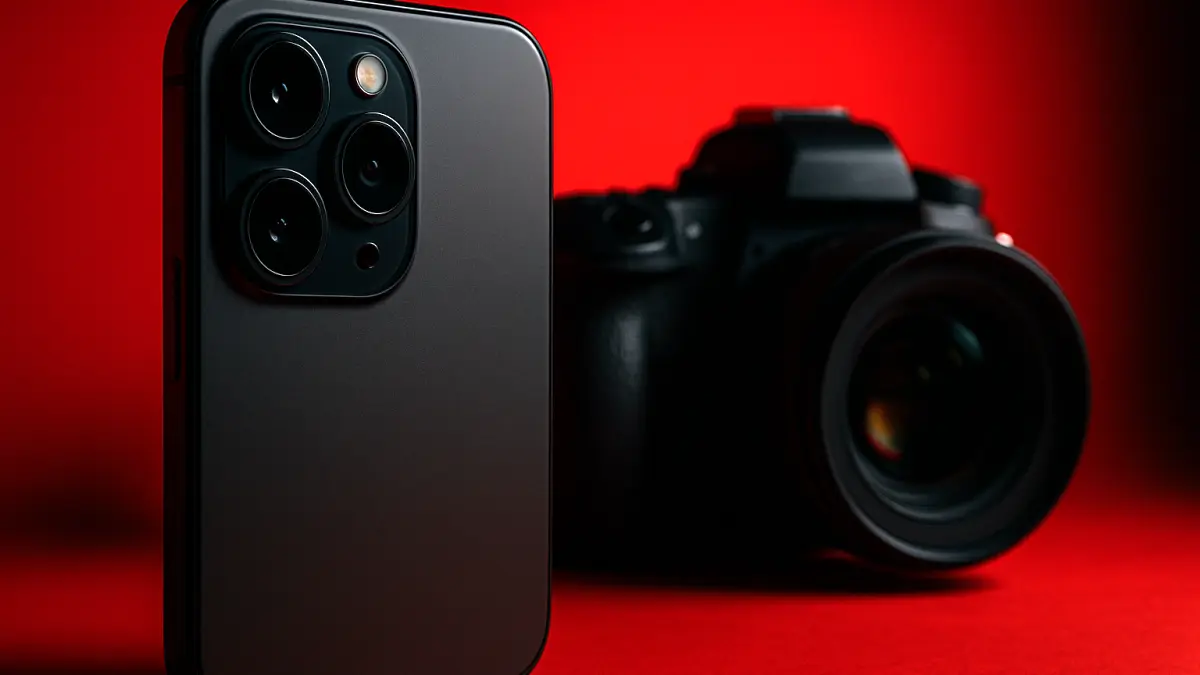

The claim that more megapixels always mean better camera quality is a myth. While it is true that higher megapixel counts can lead to more detailed images, they are not the sole determinant of image quality.
Claim: More megapixels always mean better camera quality.
Quick answer: The final verdict is Myth, as camera quality involves multiple factors beyond just megapixels.
Camera quality is influenced by several factors, including sensor size, lens quality, image processing capabilities, and lighting conditions. A camera with a smaller sensor may produce lower quality images even if it has a high megapixel count. This is because smaller sensors typically capture less light, resulting in more noise and less detail in low-light situations.
Additionally, lens quality plays a significant role in how well a camera can render images. A high megapixel camera paired with a mediocre lens may not perform as well as a lower megapixel camera with a superior lens. The optical characteristics of the lens, including sharpness, distortion, and color accuracy, can greatly impact the final image.
Image processing is another critical element. Cameras use software algorithms to interpret the data captured by the sensor. This processing can enhance image quality, reduce noise, and improve color accuracy. A camera with advanced processing capabilities may produce better images than one with a higher megapixel count but inferior processing.
Lighting conditions also affect image quality. In bright light, a high megapixel camera can shine, capturing fine details. However, in low light, the advantages of high megapixel counts diminish if the camera struggles with noise and detail retention.
For consumers, understanding these factors can lead to smarter choices when purchasing a camera or smartphone. It is essential to consider the overall system, including sensor size, lens quality, and processing power, rather than fixating solely on megapixel counts. This knowledge can help you select a device that meets your photography needs more effectively.
In conclusion, while more megapixels can contribute to image detail, they do not guarantee better camera quality. A comprehensive understanding of the various aspects that influence image quality is crucial for making informed decisions in the camera market.