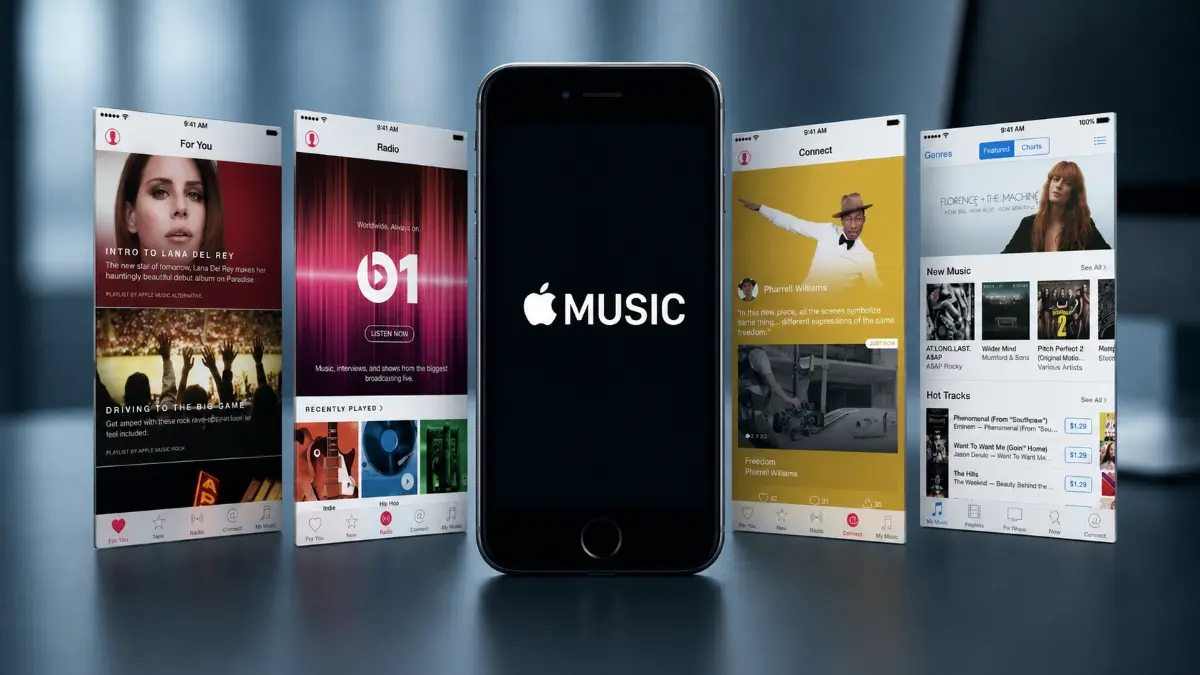

Streaming music was already gaining momentum by mid-2015, but Apple’s move on June 30 of that year added a new dimension to the digital music landscape. Apple Music launched in over 100 countries, marking a bold entry into a market dominated by existing streaming platforms. This wasn’t just another app release; it was a strategic push to integrate music streaming deeply into the Apple ecosystem and redefine user access to music on a global scale.
At the time, Apple Music’s launch addressed a core challenge: how to deliver a vast, on-demand music catalog seamlessly across devices while maintaining a high-quality user experience. Apple’s approach combined streaming with curated playlists, exclusive content, and a social element through its Connect feature, aiming to create a more engaging and personalized music environment. The availability in over 100 countries was a technical and logistical feat, requiring robust infrastructure to handle streaming demands and licensing agreements worldwide.
This launch mattered because it shifted the competitive landscape. Apple leveraged its massive user base and device integration to challenge incumbents, pushing the industry toward a more service-oriented model. It also helped normalize subscription-based music consumption, moving users away from downloads and ownership toward access and discovery. The global rollout underscored the importance of scale and localization in digital services, setting a precedent for future streaming platforms.
What changed because of this launch was not just the market share battle but the expectations around music streaming. Apple Music’s integration with iOS and iTunes created a frictionless experience that influenced how music services approached device compatibility and ecosystem lock-in. The emphasis on curated content and artist engagement also highlighted the evolving role of streaming platforms as cultural intermediaries, not just delivery systems. This approach nudged the industry toward blending technology with content curation and community-building.
Apple Music’s launch still matters today because it laid groundwork for how streaming services operate globally. The challenges of scaling a music service across diverse markets remain relevant, as does the need to balance user experience with licensing complexities. Apple’s model demonstrated the power of ecosystem integration to drive adoption and retention. Moreover, its focus on curated experiences continues to influence how platforms differentiate themselves in a crowded market.
Looking back, the Apple Music launch on June 30, 2015, was more than a product debut. It was a statement on the future of music consumption, one where accessibility, personalization, and ecosystem synergy define the user experience. As streaming continues to evolve, the lessons from this launch about scale, integration, and content strategy remain instructive for anyone building digital media platforms.