
The claim that all USB-C cables are the same is a myth. In reality, USB-C cables come in various types, each designed for different capabilities. Understanding these differences is essential for anyone using devices that rely on USB-C connections.
Claim: All USB-C cables are the same.
Quick answer: The verdict is Myth because USB-C cables vary significantly in capabilities and quality.
USB-C cables can vary in terms of power delivery, data transfer speeds, and overall quality. For example, some cables are designed solely for charging, while others can handle both high-speed data transfer and power delivery. This means that using a basic USB-C cable for fast charging or data-intensive tasks may not yield the desired results.
Power delivery is a crucial aspect to consider. Some USB-C cables support higher wattage, which is necessary for fast charging laptops and other high-demand devices. If you use a cable that does not support adequate power delivery, you may experience slow charging times or, in some cases, even damage your device.
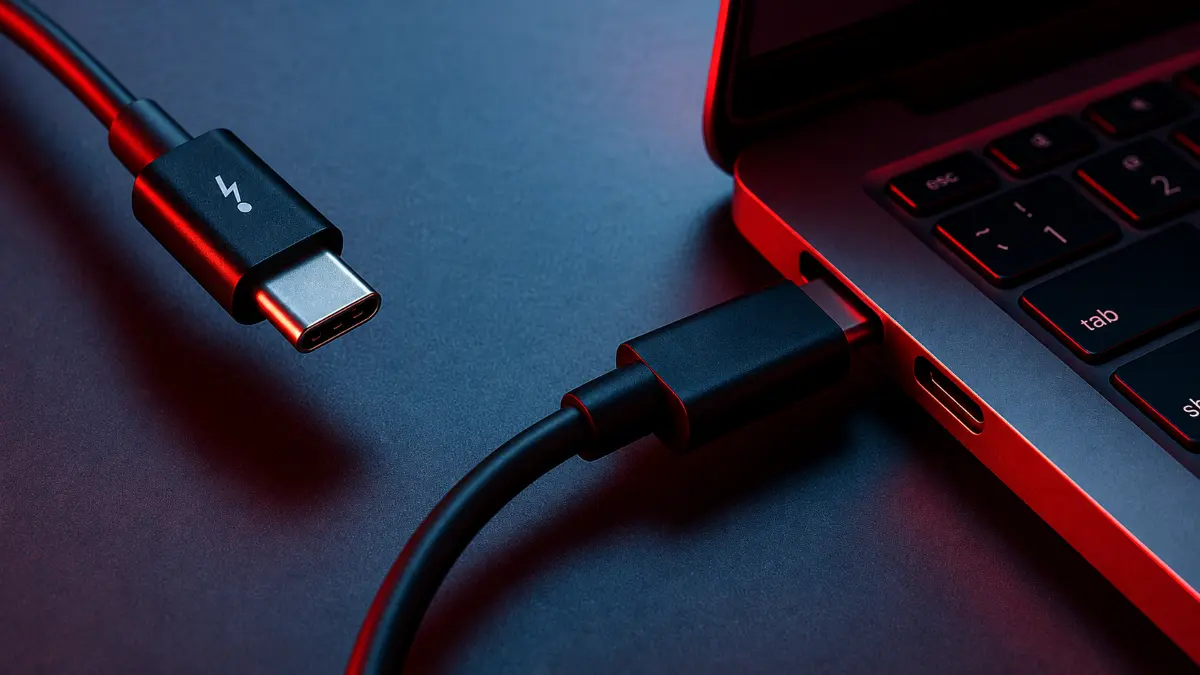
Additionally, data transfer speeds can differ between cables. While some cables may support USB 2.0 speeds, others can handle USB 3.1 or Thunderbolt 3 speeds, allowing for much quicker file transfers. Choosing the wrong cable can lead to frustration and inefficiency when moving large files.
When selecting a USB-C cable, it is essential to check specifications and ensure that it meets the requirements of your device. Using a cable that does not support the necessary power or data transfer standards can lead to poor performance and potential device damage.
In conclusion, the myth that all USB-C cables are the same overlooks the significant variations in capabilities and quality. Understanding these differences can help users make informed decisions, ensuring optimal performance and safety for their devices.