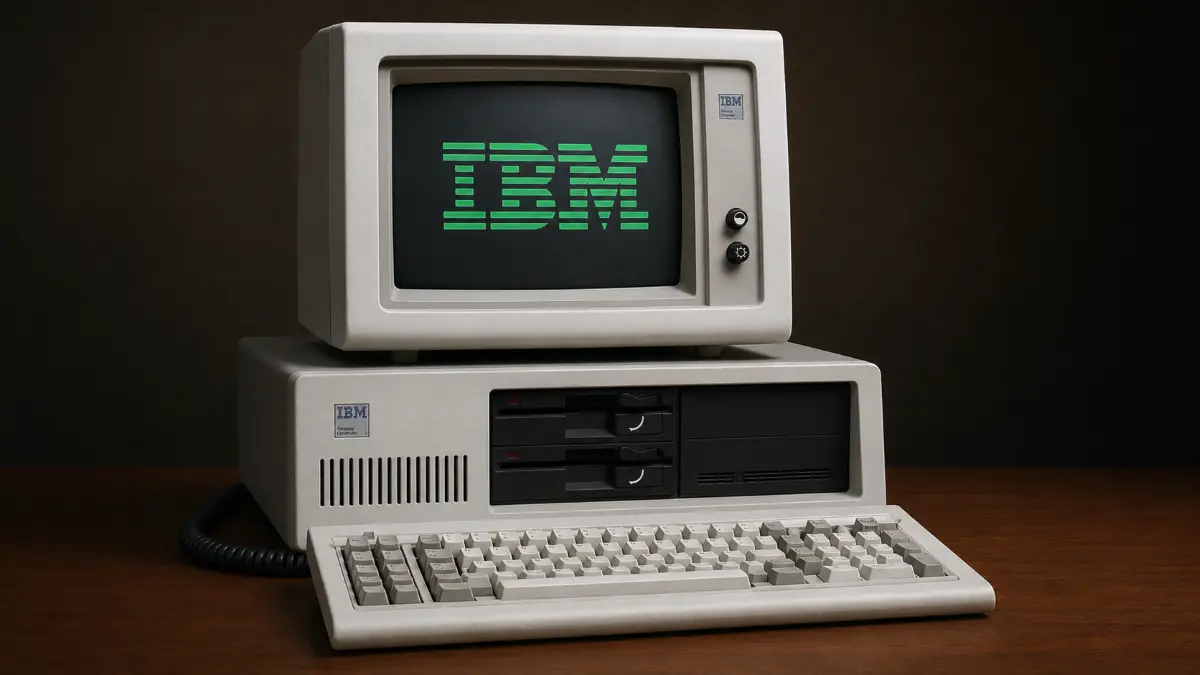

The dawn of personal computing took a decisive turn on August 12, 1981. That day, the IBM Personal Computer was released, marking a defining moment in the evolution of technology. This wasn’t just another machine hitting the market; it was a carefully engineered platform that set the blueprint for decades of computing innovation.
The IBM Personal Computer arrived at a time when computing was largely confined to businesses and hobbyists. What made this release stand out was IBM’s approach to openness and standardization. Unlike many proprietary systems of the era, IBM’s PC embraced off-the-shelf components and an open architecture. This decision was more than a design choice, it was a strategic move that addressed a critical problem: the lack of a common platform for software and hardware developers.
By leveraging widely available Intel processors and Microsoft’s MS-DOS operating system, IBM created a system that was both accessible and expandable. This meant third-party manufacturers could build compatible hardware and software without needing IBM’s direct involvement. The result was an ecosystem that rapidly grew in size and capability, fueling innovation and driving down costs.
The IBM Personal Computer’s release also solved a key challenge of the time: bridging the gap between complex, expensive mainframes and the emerging demand for affordable, user-friendly computing. It brought computing power to offices, schools, and homes in a way that was scalable and adaptable. This shift laid the groundwork for the PC to become a central tool in business productivity and personal creativity.
What changed because of this release was the very nature of the technology industry. The open architecture model IBM introduced became the de facto standard, influencing countless manufacturers and software developers. This approach accelerated the commoditization of PC hardware and established the dominance of the x86 architecture that still underpins most personal computers today.
The ripple effects extended beyond hardware. The IBM PC’s success helped cement Microsoft’s role in the software world, shaping the operating system landscape for years. It also set expectations for user interfaces, expandability, and compatibility that continue to influence design decisions in modern computing devices.
Why does this still matter? The IBM Personal Computer’s legacy is visible in every laptop, desktop, and even many mobile devices we use today. Its architecture principles, modularity, standardization, and openness, are foundational to modern computing ecosystems. The event also underscores a critical lesson in technology development: that fostering an open, collaborative environment can drive innovation faster and more sustainably than closed, proprietary systems.
Reflecting on this release reminds us that the personal computer’s story is not just about hardware but about creating a platform where ideas and technologies can converge and evolve. The IBM Personal Computer was a catalyst that transformed computing from a niche pursuit into an everyday necessity.