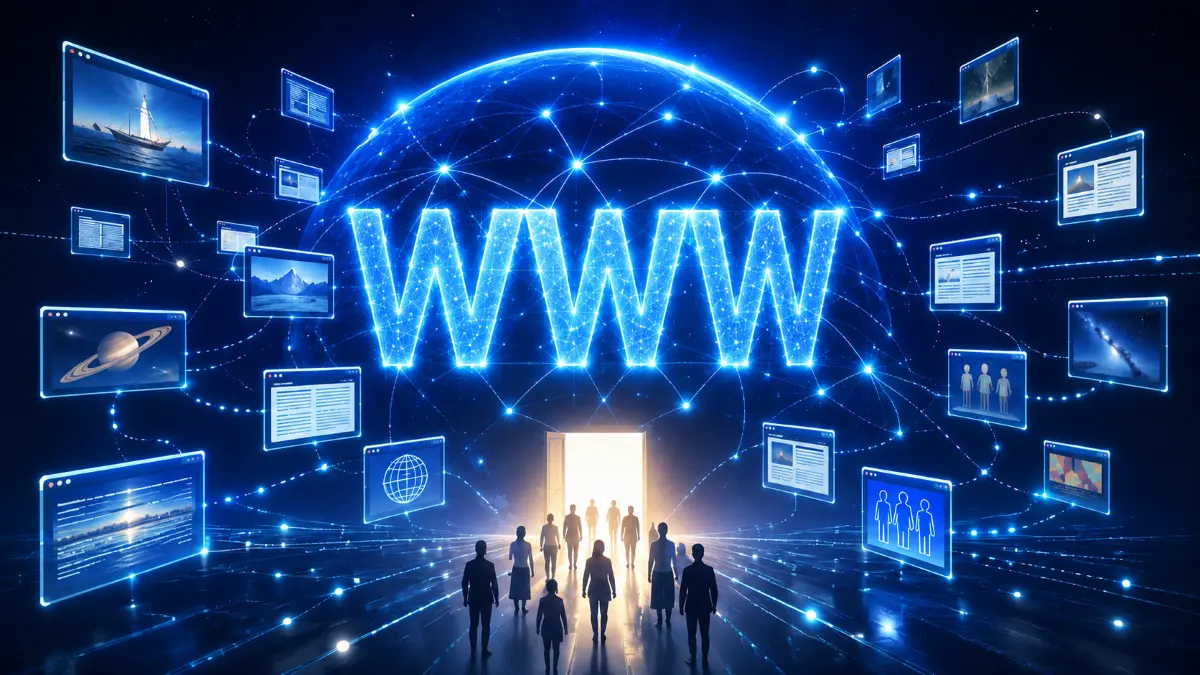

Imagine a world without instant access to information, where digital communication was confined to isolated networks. That changed on August 23, 1991, when the World Wide Web opens to the public. This moment was not just a launch; it was the ignition of a new era in how humans interact with data and each other.
Before this event, the internet was primarily a tool for researchers and academics. The release of the World Wide Web to the public introduced a user-friendly interface that made the internet accessible beyond technical experts. It solved a fundamental problem: how to organize and share information in a way that anyone could navigate and contribute to. The Web’s design, based on hypertext, allowed users to link documents seamlessly, creating a vast, interconnected information space.
At the time, this openness was a gamble. The Web was built on open standards, free from proprietary control, which encouraged rapid innovation and adoption. This openness lowered barriers to entry for developers and businesses, enabling a surge of creativity and new services. The Web’s public availability transformed it from a niche academic tool into a global platform for communication, commerce, and culture.
What changed because of this release was profound. The World Wide Web became the backbone of the digital economy. It enabled the rise of e-commerce, online media, social networks, and cloud computing. The Web’s architecture fostered decentralization, allowing countless websites and applications to flourish independently. This decentralized model also introduced challenges, such as security vulnerabilities and misinformation, but it fundamentally shifted power from centralized gatekeepers to individual creators and users.
Today, the significance of the World Wide Web opening to the public remains clear. It laid the foundation for the digital ecosystems we rely on daily. The principles of openness and interoperability continue to guide web development, influencing emerging technologies like decentralized web protocols and the semantic web. Understanding this event helps us appreciate the Web’s role not just as a tool, but as a dynamic environment that shapes social, economic, and technological landscapes.
Reflecting on this moment reminds us that technology’s impact is often rooted in accessibility and openness. The Web’s public debut was not just about new software; it was about democratizing information and empowering users worldwide. As we navigate the future of digital innovation, the lessons from this event remain a crucial reference point.