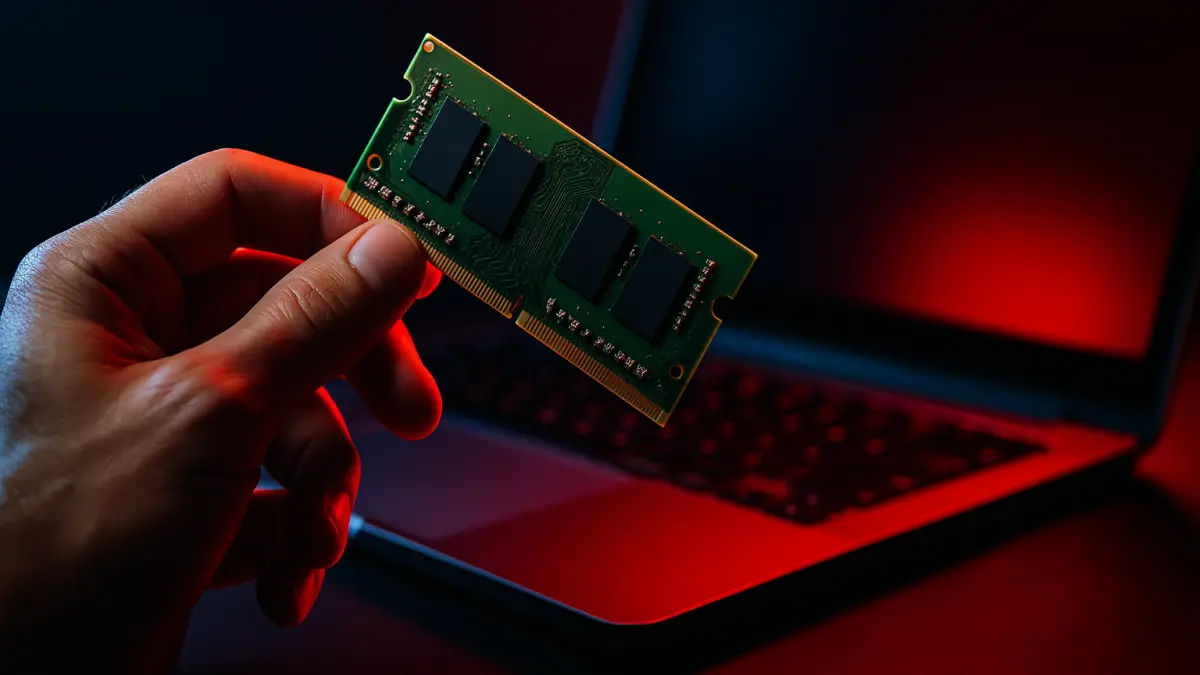

The claim that more RAM always makes your computer faster is a myth. While having sufficient RAM is essential for smooth operation, the actual performance of a computer depends on various factors, including the type of tasks you perform and the overall system architecture.
Claim: More RAM always makes your computer faster.
Quick answer: The final verdict is Myth because speed depends on usage and other factors.
RAM, or Random Access Memory, is crucial for temporarily storing data that your computer needs to access quickly. When you run applications, they use RAM to hold data in a way that allows for rapid retrieval. However, simply increasing RAM does not guarantee faster performance. If your tasks do not require a significant amount of RAM, adding more will have little to no effect.
For instance, if you primarily use your computer for web browsing and document editing, 8GB of RAM may be more than enough. In contrast, if you engage in memory-intensive tasks such as video editing or gaming, you might benefit from 16GB or more. The key takeaway is that your specific use case matters greatly.
Moreover, other system components play a vital role in performance. The speed of your CPU, the type of storage (SSD vs. HDD), and even the graphics card can significantly affect how fast your computer operates. A balanced system where all components work together optimally is essential for achieving the best performance.
Understanding the limits of RAM helps users make informed upgrade decisions. Before investing in additional RAM, consider evaluating your current usage patterns and system requirements. Tools like task managers can provide insights into how much RAM is being utilized and whether an upgrade is necessary.
In conclusion, while having enough RAM is critical for efficient computing, simply adding more does not always translate to increased speed. Consider the full context of your system’s performance to make the best upgrade choices.