
Smart home devices have become increasingly popular, providing users with a level of convenience that was previously unimaginable. From smart thermostats that learn your heating preferences to voice-activated assistants that help manage your daily tasks, these technologies aim to enhance our quality of life. However, the rising adoption of smart devices also brings a crucial question into focus: do they compromise our privacy?
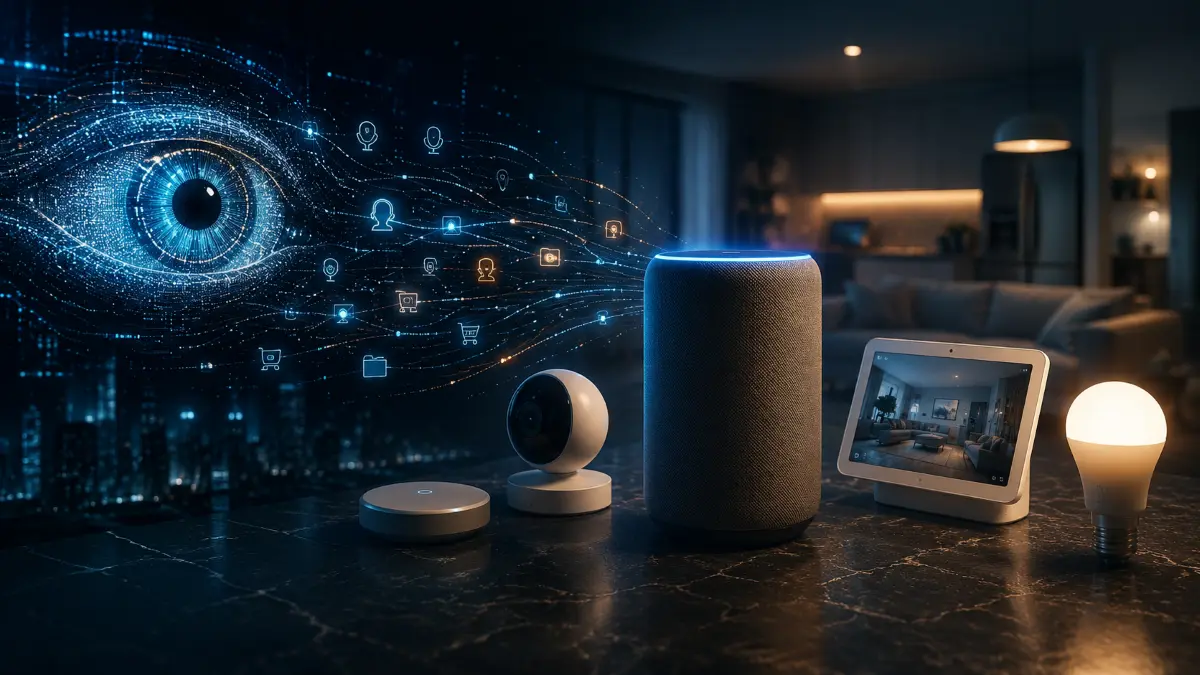
The verdict on this claim is mixed. While smart home devices undeniably increase convenience, they also introduce potential privacy risks that users must consider. Many of these devices collect personal data to function effectively. For instance, smart speakers listen for voice commands, and smart cameras often require constant internet connectivity to operate efficiently. This continuous data collection can lead to concerns about who has access to this information and how it is used.
Understanding the privacy implications is essential for consumers. Many smart devices come with privacy policies that outline how data is collected, stored, and shared. However, these documents can be lengthy and difficult to decipher, leaving users unaware of the extent of data sharing. Furthermore, breaches and unauthorized access to personal data have been reported, raising alarms about the security of such devices.
Benefits vs. Risks
On one hand, the benefits of smart home devices are clear. They can help save time, enhance energy efficiency, and provide peace of mind through features like remote monitoring. For example, smart locks allow homeowners to control access to their property from anywhere, while smart lighting can adapt to your schedule and preferences.
On the other hand, the risks associated with these conveniences cannot be ignored. Users may inadvertently expose themselves to data breaches or surveillance. For instance, if a smart device is hacked, sensitive information could be compromised. Additionally, the very nature of some devices means they are always listening or watching, which can feel invasive.
Making Informed Choices
To navigate the landscape of smart home technology, consumers should take proactive steps to safeguard their privacy. This includes researching devices before purchase, understanding their data policies, and adjusting privacy settings where possible. For example, disabling features that allow constant listening or opting out of data sharing can help mitigate risks.
In conclusion, smart home devices offer significant convenience but also come with privacy risks that users must weigh carefully. By being aware of these risks and taking steps to protect personal information, consumers can make informed choices that align with their needs and values.
The benefits of smart home devices come with privacy risks, leading to a mixed verdict.