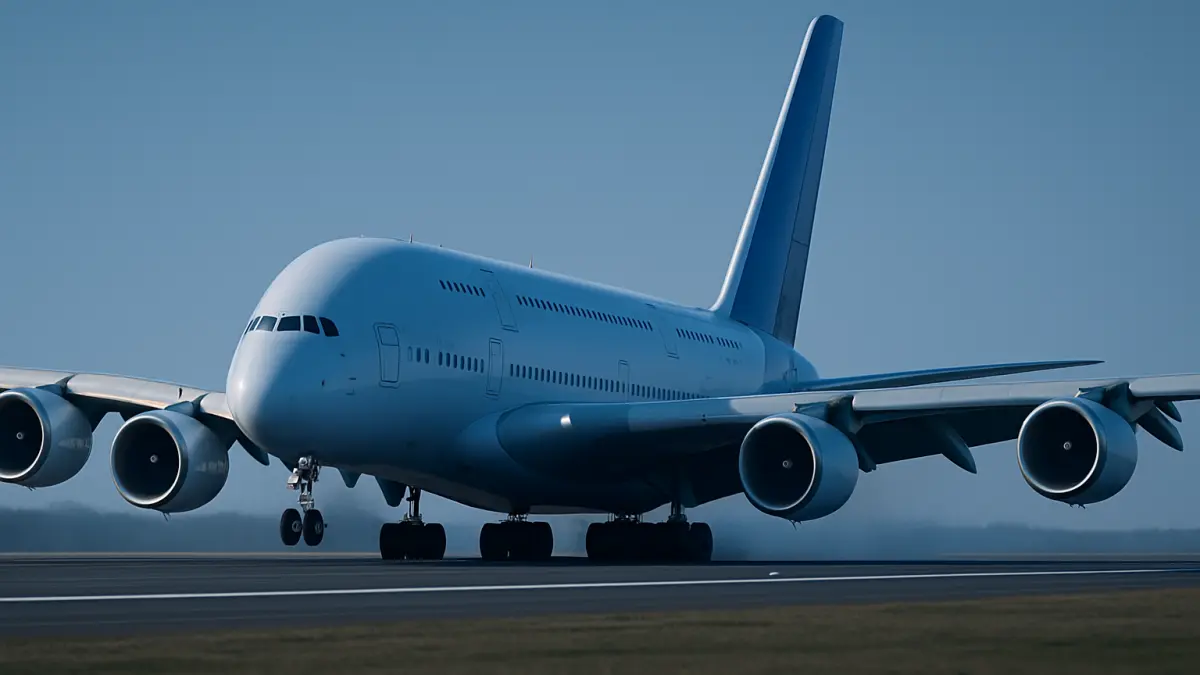

The Airbus A380 maiden flight in 2005 marked a defining moment in aviation engineering. This event showcased the capabilities of building the largest passenger aircraft ever flown, setting new standards for size and efficiency.
On April 27, 2005, the Airbus A380 took to the skies for its first test flight. This was not just another aircraft debut; it was a demonstration of advanced aerodynamics, materials engineering, and systems integration on an unprecedented scale. The A380 was designed to address the growing demand for higher-capacity air travel on busy international routes, solving the problem of airport congestion by carrying more passengers per flight.
At the time, the Airbus A380 maiden flight mattered because it pushed the boundaries of what was technically feasible in commercial aviation. The aircraft’s double-deck design and four-engine configuration required innovative solutions in structural integrity, fuel efficiency, and avionics. It was a testbed for new manufacturing techniques and digital design processes that allowed Airbus to manage complexity in a way not seen before.
What changed because of the A380’s first flight was a shift in how airlines and manufacturers approached large aircraft. It opened the door for rethinking airport infrastructure and flight operations to accommodate superjumbo jets. The technology demonstrated during the maiden flight influenced subsequent developments in aircraft systems and materials, even beyond Airbus.
Today, the Airbus A380 maiden flight remains significant as a benchmark in aerospace engineering. The aircraft’s design principles continue to inform modern large aircraft projects, especially in balancing capacity, efficiency, and passenger comfort. It also serves as a reminder of the challenges involved in scaling up aviation technology while maintaining safety and performance.
The A380’s first flight was more than a test; it was a statement about the future of air travel and the engineering feats required to get there.