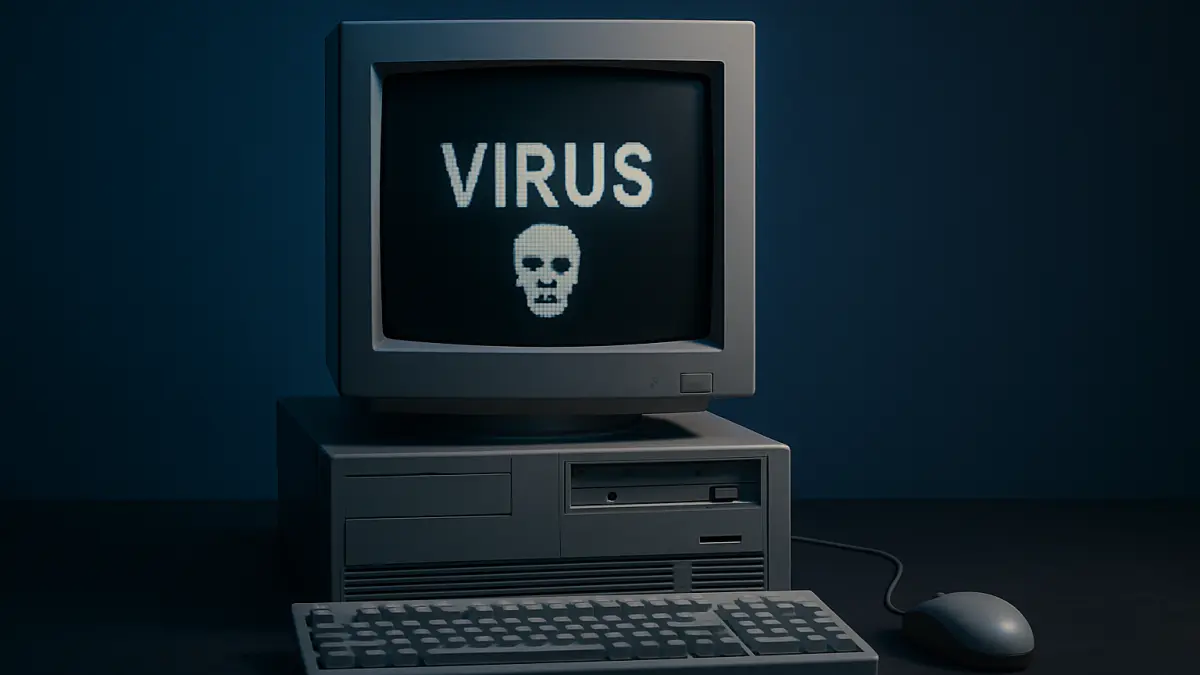

The CIH virus outbreak in 1999 exposed the fragility of computer systems to malicious software in a way that still echoes through cybersecurity today. On April 26, 1999, the CIH virus began spreading rapidly, targeting Windows 9x systems and causing widespread data destruction.
The CIH virus outbreak was notable for its destructive payload. Unlike many viruses that merely replicated or displayed annoying messages, CIH went deeper—it was programmed to overwrite critical system BIOS data, effectively bricking infected machines. This level of damage was unprecedented and highlighted a glaring vulnerability in how computers handled low-level system processes.
At the time, the CIH virus outbreak forced a reckoning in the tech community. It revealed that antivirus software and security protocols were lagging behind the sophistication of emerging threats. The virus exploited both technical and human factors, spreading through infected executable files and relying on users to unknowingly propagate it. This event underscored the urgent need for more robust detection methods and proactive security measures.
The fallout from the CIH virus outbreak led to significant changes in cybersecurity practices. Software vendors began prioritizing secure coding and patch management, while antivirus companies accelerated development of heuristic and behavior-based detection techniques. The incident also pushed organizations to implement better backup strategies and disaster recovery plans, recognizing that prevention alone was no longer sufficient.
Today, the CIH virus outbreak remains a cautionary tale in cybersecurity. It serves as an early example of how malware can inflict physical damage on hardware, not just data loss or theft. The lessons learned continue to influence how security professionals approach threat intelligence, system hardening, and user education.
Reflecting on the CIH virus outbreak reminds us that the battle for digital security has long been a complex and evolving challenge.