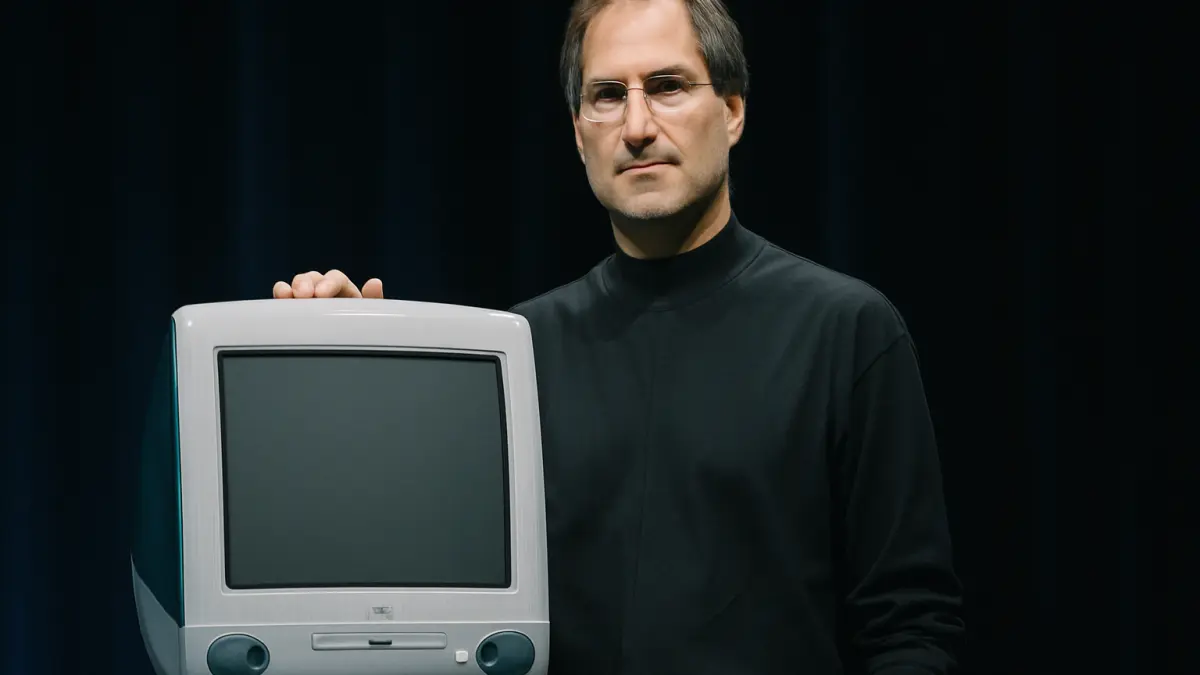

The tech world thrives on breakthroughs that look simple but carry deep implications. On May 6, 1998, Steve Jobs of Apple Inc. unveiled the first iMac, a product that did more than just introduce a new computer. It challenged how we think about design, user experience, and the role of connectivity in personal computing.
The first iMac arrived at a time when PCs were often beige boxes with confusing ports and cables. Jobs’ introduction was a statement: computers could be approachable, stylish, and user-friendly without sacrificing power. The iMac’s translucent, colorful casing was a sharp departure from the dull, utilitarian designs of the era. But beyond aesthetics, it represented a shift in solving real user problems, simplifying setup and encouraging internet use.
Why did the first iMac matter then? It tackled two major issues head-on. First, it eliminated legacy ports like the floppy disk drive, betting on USB as the future standard. This was a risky move that forced the industry to adapt quickly. Second, it emphasized internet connectivity as a core feature, pushing users toward the web at a time when online access was still emerging. The iMac was not just a computer; it was a gateway to the digital age.
This release changed the trajectory of personal computing. The adoption of USB accelerated peripheral innovation and standardized connections across devices. The focus on design inspired a wave of consumer electronics that valued form as much as function. Apple’s gamble on internet integration helped shift computing from isolated tasks to connected experiences, setting the stage for today’s always-online culture.
Why does the first iMac still matter? Its legacy is visible in every sleek laptop and desktop that prioritizes user experience and connectivity. The move away from legacy hardware toward universal standards like USB paved the way for the plug-and-play simplicity we expect now. The iMac’s design ethos also influenced how technology brands approach product aesthetics, blending technology with lifestyle.
Reflecting on the first iMac highlights how innovation often comes from rethinking what users need rather than just pushing raw specs. It reminds us that technology’s value lies in solving everyday problems and making digital life accessible. The iMac was a bold statement that computing could be personal, intuitive, and connected, principles that remain central to tech design today.