
The first U.S. experimental 3D television broadcast aired in 1953, pushing the boundaries of how audiences could experience visual media. This early broadcast was not just a technical stunt—it was a glimpse into the future of immersive entertainment.
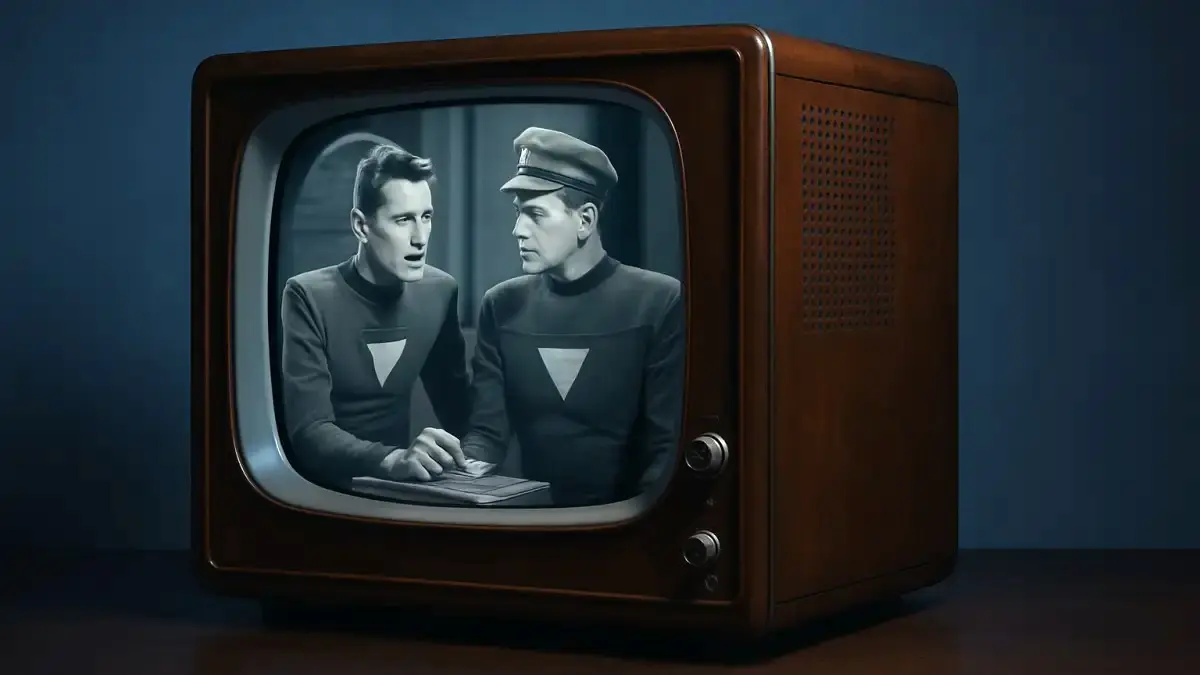
On April 29, 1953, viewers in Los Angeles tuned into ABC affiliate KECA-TV to watch an episode of Space Patrol in 3D. This was a pioneering moment for television technology, demonstrating that three-dimensional images could be transmitted over the airwaves and received in homes. The broadcast required specialized equipment and glasses, but it proved the concept was viable.
At the time, television was still in its infancy, mostly limited to black-and-white, two-dimensional images. Introducing 3D added a new layer of depth, literally and figuratively. It addressed the problem of static, flat visuals by attempting to replicate a more lifelike viewing experience. This experiment opened doors for future innovations in broadcast technology and visual storytelling.
The 3D broadcast changed how engineers and content creators thought about television’s potential. It showed that TV could evolve beyond simple image transmission to offer more engaging and immersive experiences. While 3D television did not become mainstream immediately, the experiment laid the groundwork for later developments in 3D media, virtual reality, and augmented reality technologies.
Today, the legacy of that 1953 broadcast still matters. It represents an early step toward the multi-dimensional media experiences we now take for granted. The challenges it tackled, transmitting complex visual data, synchronizing images for 3D effect, and creating compatible viewing devices, are foundational problems that modern immersive technologies continue to refine.
The first U.S. 3D television broadcast was a technical proof of concept that expanded the imagination of what television could be. It remains a reminder that innovation often begins with bold experiments that challenge the status quo.