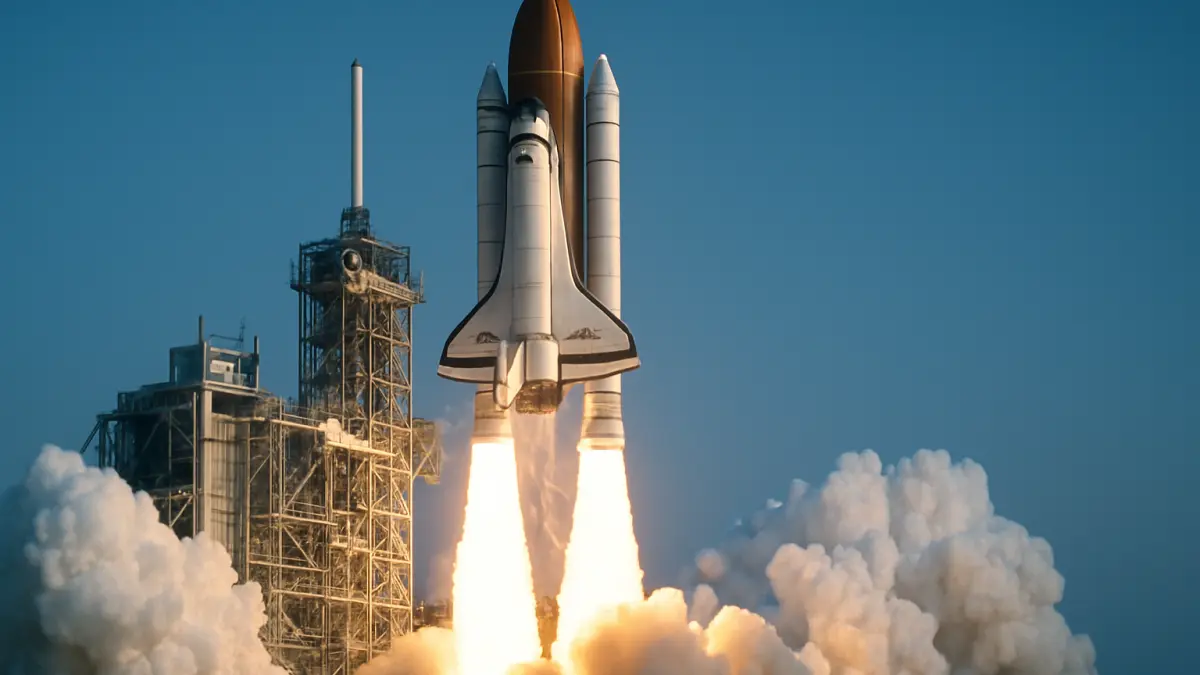

The launch of Space Shuttle Discovery on STS-39 in 1991 marked a new chapter in the intersection of space technology and national defense. This mission was the first unclassified shuttle flight conducted for the United States Department of Defense, opening a window into military applications of space technology without the usual veil of secrecy.
On April 28, 1991, Space Shuttle Discovery lifted off carrying a payload designed to test and demonstrate reconnaissance and surveillance technologies. Unlike previous classified missions, STS-39’s unclassified status allowed for broader technical collaboration and public awareness of the shuttle’s capabilities in defense-related operations.
At the time, this was crucial because it demonstrated how the shuttle program could support complex defense objectives beyond traditional scientific and exploratory missions. The mission carried instruments to study missile launches and atmospheric phenomena, providing data that enhanced understanding of both natural and man-made events from orbit. This helped bridge the gap between military intelligence gathering and space science.
The STS-39 mission changed how space assets were perceived and utilized by the Department of Defense. It proved that shuttle missions could be multipurpose platforms, capable of handling sensitive defense tasks while maintaining transparency. This approach influenced the planning and execution of subsequent missions that balanced security with technological advancement.
Today, the legacy of Space Shuttle Discovery’s STS-39 mission is evident in ongoing efforts to integrate space technology with defense systems openly and efficiently. The mission set a precedent for how military space operations can benefit from the shuttle’s versatility and the value of sharing certain mission details to foster innovation and collaboration.
Looking back, STS-39 was not just a flight but a strategic move toward more sophisticated and open military use of space technology.