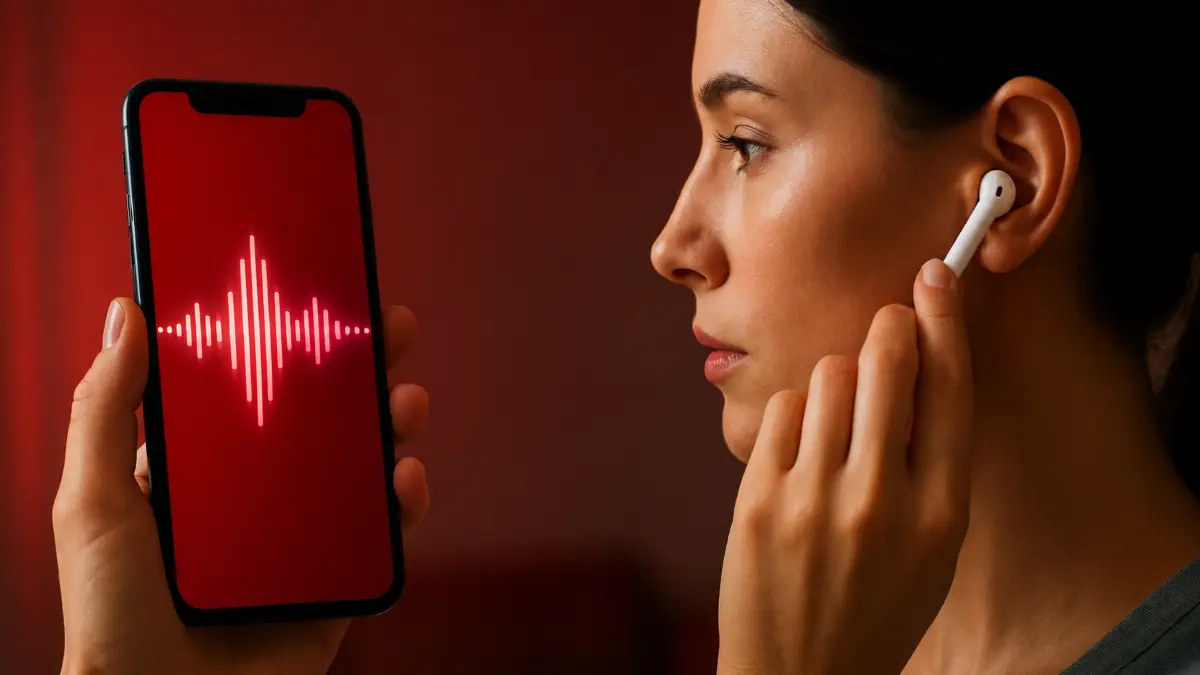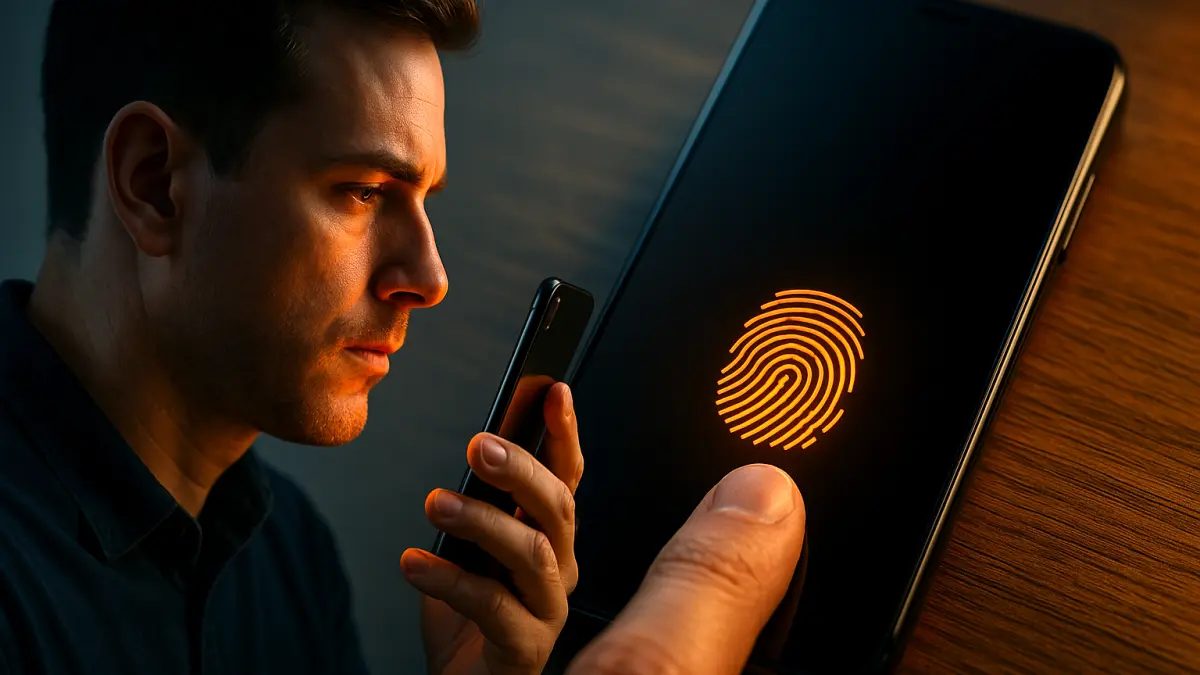

The claim that Face ID is more secure than fingerprint recognition is a topic of considerable debate. While both methods offer biometric security, their effectiveness can vary based on different circumstances. The verdict on this claim is mixed, as each technology has its strengths and weaknesses.
Claim: Face ID is more secure than fingerprint recognition.
Quick answer: The verdict is mixed due to the unique strengths and weaknesses of each biometric method.
Face ID uses facial recognition technology, often supported by depth-sensing cameras and advanced algorithms, to create a detailed map of a user’s face. On modern devices, this can make it difficult to fool with a simple photo or basic mask. However, Face ID is not perfect. Its reliability can be affected by face coverings, unusual angles, blocked sensors, or major changes in appearance. Its security also depends heavily on the quality of the hardware and software behind it.
Fingerprint recognition scans the unique patterns of ridges and valleys on a user’s fingertip. It has been used in biometric security for years and is often fast, familiar, and convenient. It can also work in situations where facial recognition may be less practical, such as when a user is wearing a mask. However, fingerprint sensors have their own limitations. They may struggle with wet, dirty, dry, or damaged fingers, and lower-quality sensors may be more vulnerable to spoofing attempts using copied fingerprints.
When comparing the two methods, context matters. Face ID may offer stronger protection against simple visual spoofing, especially when it uses advanced 3D depth mapping. Fingerprint recognition may be more convenient in certain situations and less affected by lighting, face coverings, or how the user is holding the device. Neither method is automatically superior in every case.
The best answer is that biometric security depends on more than the type of biometric being used. Hardware quality, software safeguards, liveness detection, fallback authentication, and user behavior all play important roles. Face ID and fingerprint recognition can both improve device security, but neither should be treated as flawless.
Understanding the strengths and weaknesses of each method helps users make better decisions about privacy and device protection. As biometric technology continues to evolve, the safest approach is to use strong device settings, keep software updated, and combine biometrics with secure backup authentication methods.