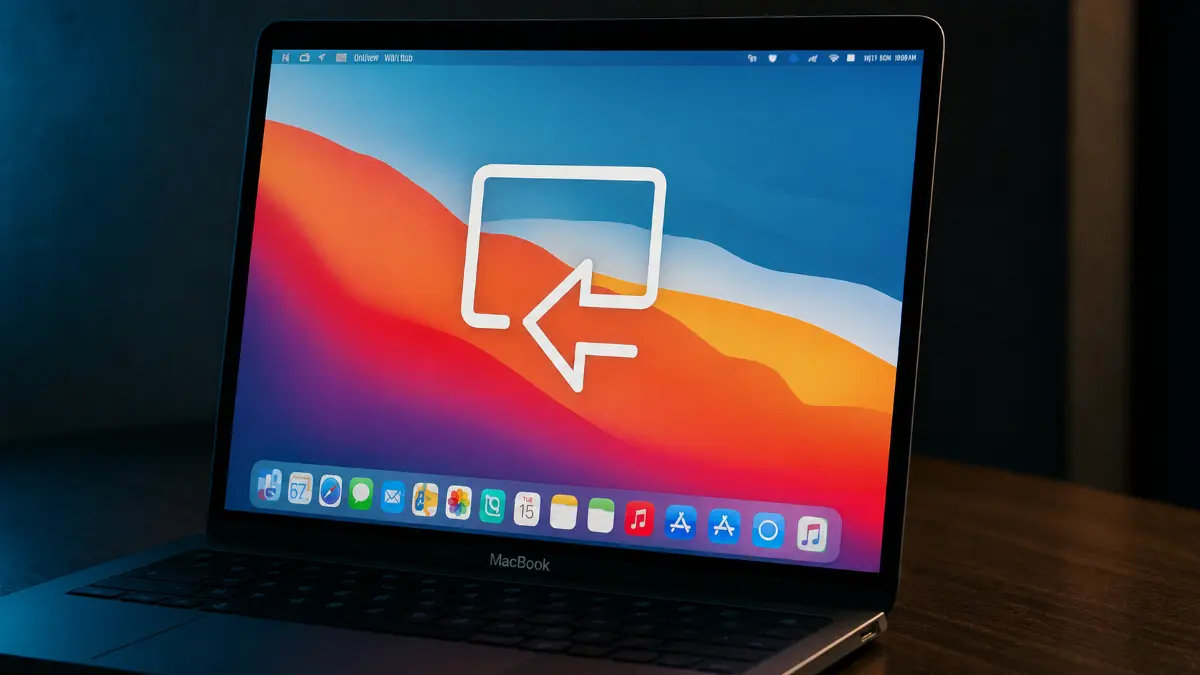

Apple has urgently patched a critical Mac screen sharing vulnerability that was actively exploited in the wild, according to recent reports. The flaw impacted macOS versions Tahoe, Sequoia, and Sonoma, putting users at risk of unauthorized remote access through the screen sharing feature. Apple’s swift response highlights the ongoing security challenges within its ecosystem, especially as remote collaboration tools become more integral to daily workflows.
For Apple users and developers, this vulnerability underscores the importance of timely software updates. Screen sharing is a core feature for many professionals relying on Macs for remote work, and any exploit here can lead to serious privacy breaches or data theft. The patch not only protects individual users but also safeguards enterprise environments where Macs are increasingly common. Developers building apps that interact with macOS screen sharing APIs should remain vigilant for any related security advisories.
This incident reflects broader industry trends where remote access tools have become prime targets for attackers. As Apple’s ecosystem grows, so does its appeal to threat actors seeking to exploit overlooked vulnerabilities. The company’s ability to quickly identify and patch such critical issues is vital to maintaining user trust and ecosystem integrity. However, the active exploitation prior to patch release signals that attackers are closely monitoring Apple’s software landscape for weaknesses.
Strategically, Apple’s rapid patch deployment reinforces its commitment to security but also raises questions about how such vulnerabilities arise in the first place. With macOS Sonoma still relatively new, the discovery of a serious flaw so soon after release may prompt Apple to enhance its pre-release security audits. Users should prioritize installing this update immediately to mitigate exposure. Going forward, Apple’s security teams will likely face increasing pressure to anticipate and neutralize threats before they reach active exploitation.
What to watch next is how Apple improves its vulnerability detection and whether this incident influences future macOS security frameworks. Developers and IT administrators should also monitor for any follow-up patches or guidance from Apple, as attackers often attempt secondary exploits after initial vulnerabilities are closed.