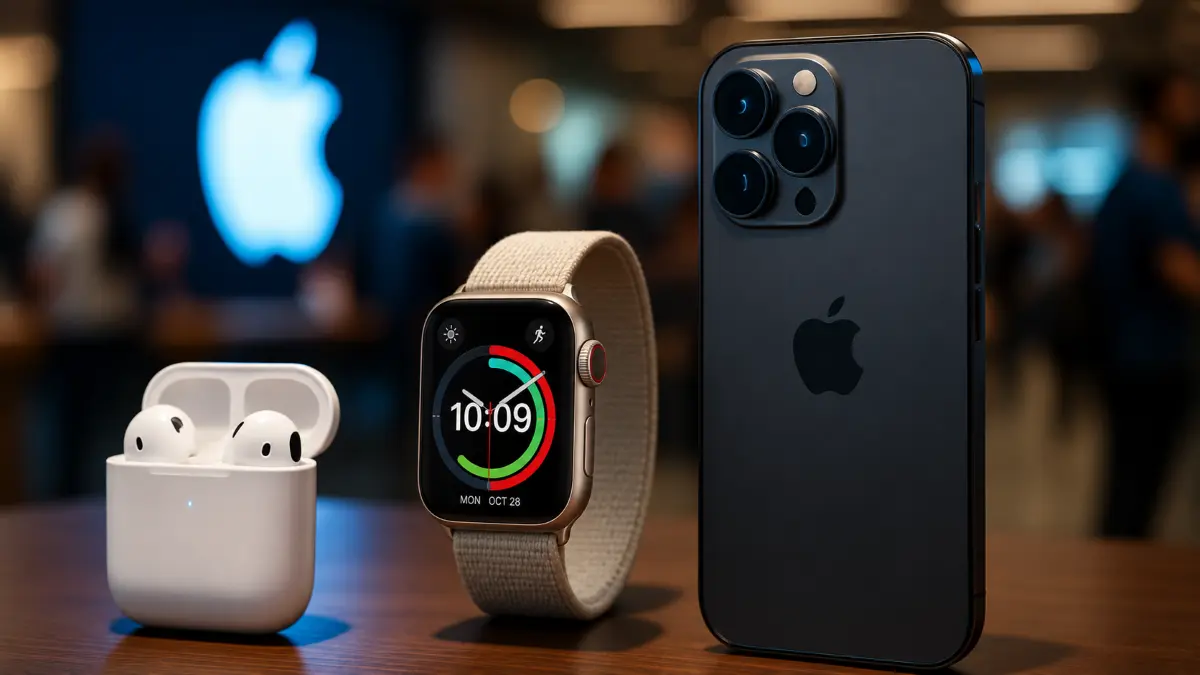

Apple is reportedly preparing to enter the foldable smartphone market with its first-ever foldable device, the iPhone Duo, expected to start at around $2,000. According to Bloomberg’s Mark Gurman, this move marks Apple’s premium entry into a segment dominated by Samsung and other Android manufacturers. The iPhone Duo’s launch could redefine Apple’s product lineup by introducing a new form factor that blends the iPhone’s traditional design with foldable technology.
This development matters significantly for Apple users and developers alike. For consumers, the iPhone Duo promises a fresh experience with enhanced multitasking and portability, potentially reshaping how iOS apps are designed to leverage a flexible display. Developers will need to adapt their apps to accommodate the foldable screen’s unique dimensions and interaction patterns, which could spur innovation within the Apple ecosystem. The high starting price also positions the device as a luxury product, likely targeting early adopters and tech enthusiasts willing to pay a premium for cutting-edge hardware.
In the broader industry context, Apple’s entry into foldables reflects a cautious but strategic approach. While foldable phones have gained traction over the past few years, they remain a niche market with mixed consumer reception due to durability concerns and high costs. Apple’s premium pricing and brand cachet could elevate the category’s status, pushing competitors to refine their offerings. However, Apple’s late entry also underscores the challenges of perfecting foldable technology and integrating it seamlessly into its tightly controlled ecosystem.
Strategically, the iPhone Duo could serve as a testbed for future innovations in hardware design and user experience. It may influence Apple’s roadmap for other devices, including iPads and Macs, by exploring flexible displays and new interaction models. What to watch next is how Apple balances the device’s premium positioning with broader market adoption and whether it will expand foldable options across its product lines or keep them exclusive to a niche segment.