

Gaming hardware keeps evolving fast — and your graphics card (GPU) remains the heart of it all. Whether you’re chasing maximum FPS in Cyberpunk 2077 or exploring the AI-powered worlds of Starfield, the right GPU transforms your experience.
Here’s a look at the five best PC video cards for gamers in 2025 — tested, benchmarked, and built for performance.
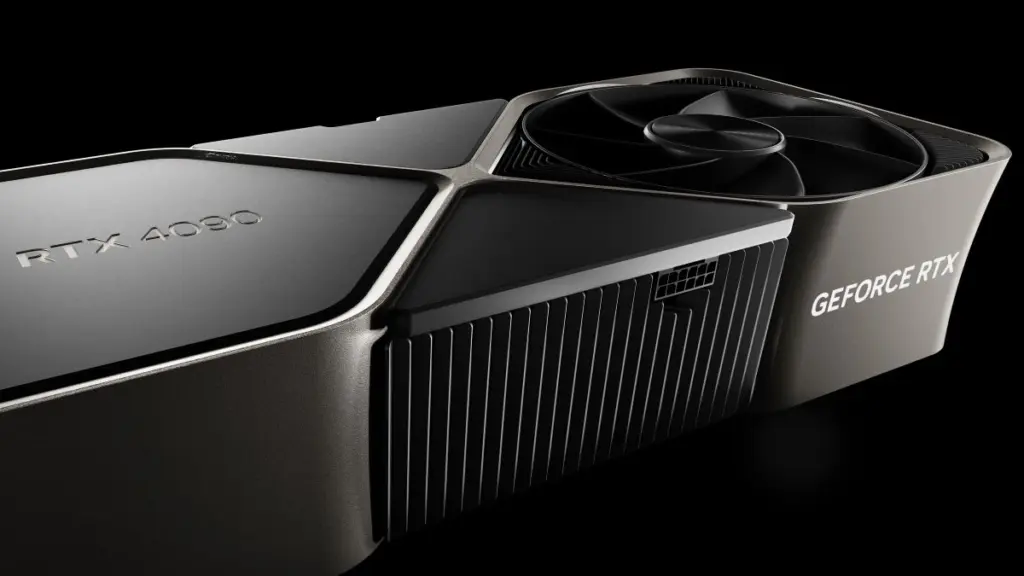
1. NVIDIA GeForce RTX 4090 — The Undisputed King
Why it stands out:
Nearly two years after launch, the RTX 4090 still defines the high end. Built on NVIDIA’s Ada Lovelace architecture, it’s not just a GPU — it’s a powerhouse designed for creators, AI researchers, and gamers who want absolute dominance.
With a staggering 24GB of GDDR6X memory and over 16,000 CUDA cores, it annihilates anything you throw at it — 4K, 8K, or VR. In games like Cyberpunk 2077: Phantom Liberty, it delivers over 100 FPS at 4K with full ray tracing and DLSS 3.5 Frame Generation enabled — something no other card can match.
Performance deep dive:
- 4K Ultra (DLSS 3.5): 110–140 FPS in most AAA titles
- Power Draw: ~450W
- Cooling: Triple-fan or liquid-cooled variants handle it surprisingly well
- AI Workloads: Excels in Stable Diffusion, Blender, and Unreal Engine rendering
While it’s overkill for casual gamers, professionals love its AI Tensor cores, which accelerate not just gaming but creative workflows — from 3D rendering to machine learning.
Ideal for: Hardcore 4K gaming, VR, content creators, AI experimentation
Price range: $1,800 USD
Verdict:
If money’s no object, this is the GPU that redefines “max settings.” It’s not just the best gaming card — it’s the benchmark for the next generation.
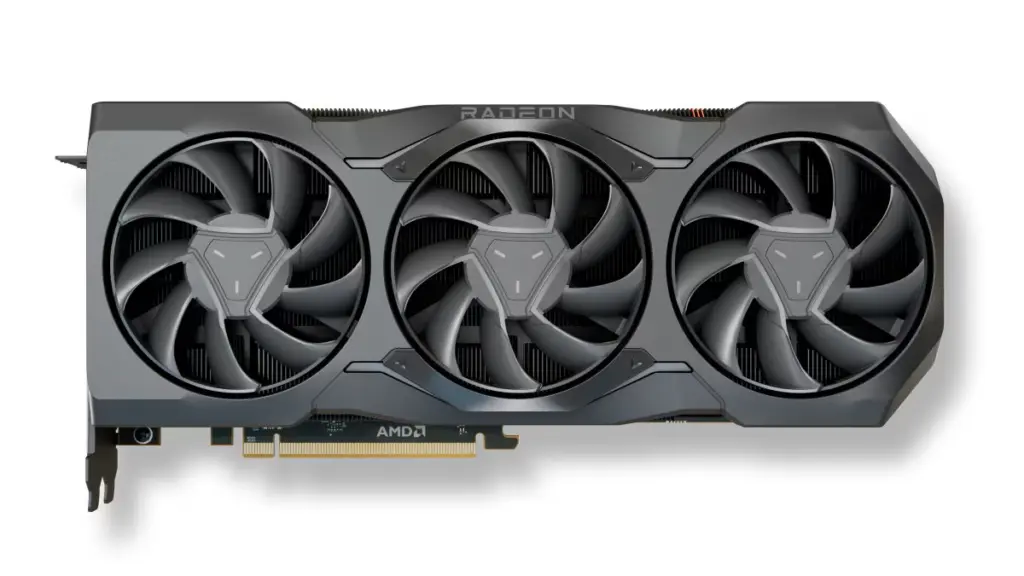
2. AMD Radeon RX 7900 XTX — Performance Meets Value
Why it stands out:
AMD’s RDNA 3 architecture has proven that competition is alive and well. The RX 7900 XTX is AMD’s flagship answer to NVIDIA’s dominance, delivering blistering 4K performance and impressive efficiency — all at hundreds less than a 4080.
With 24GB of GDDR6 VRAM and a 384-bit memory bus, it thrives in memory-heavy games like Starfield and Baldur’s Gate 3. Its raw rasterization power even surpasses the RTX 4080 in some benchmarks, and its FSR 3 (FidelityFX Super Resolution) technology continues to improve with updates that rival NVIDIA’s DLSS.
Performance insight:
- 4K Ultra: 85–110 FPS average
- Power Draw: ~355W (efficient for its class)
- Ray Tracing: Slightly behind NVIDIA, but solid in most titles
- Software: AMD Adrenalin driver suite is mature and stable
What makes the RX 7900 XTX appealing is its balance — high-end visuals without the sky-high price. It’s the perfect GPU for gamers who want premium performance without overspending.
Ideal for: 4K gaming, high-refresh 1440p, budget-conscious enthusiasts
Price range: $950 USD
Verdict:
AMD’s top card doesn’t just compete — it delivers. Unless you crave NVIDIA’s AI ecosystem, the XTX gives you nearly all the power for much less money.
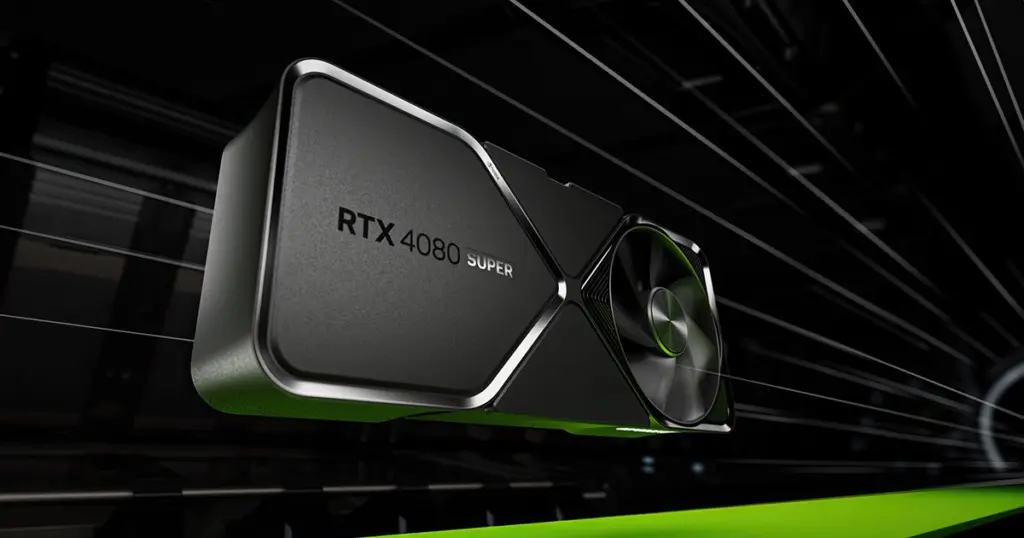
3. NVIDIA GeForce RTX 4080 Super — The Sweet Spot for High-End Gamers
Why it stands out:
The RTX 4080 Super refines what the original 4080 introduced — a balance between brute force and future-proof efficiency. It’s the sweet spot for serious gamers who don’t want to spend over $1,500 but still demand near-flagship results.
Armed with 16GB of GDDR6X VRAM, the 4080 Super handles demanding 4K titles like Alan Wake 2 and Forza Motorsport with ease, delivering 100+ FPS using DLSS 3.5.
But its true edge lies in its cooling and acoustics. Most models run whisper-quiet, with efficient thermal design and moderate power draw (~320W). It’s also one of the best GPUs for content creators, thanks to strong CUDA acceleration in Adobe Premiere, DaVinci Resolve, and Blender.
Performance overview:
- 4K Ultra: 100–120 FPS
- 1440p Ultra: 160–200 FPS
- Ideal Wattage PSU: 750W+
- DLSS 3.5 & Ray Reconstruction: Game-changer for visual fidelity
Ideal for: High-end gamers, streamers, and creators who want longevity without overspending
Price range: $1,199 USD
Verdict:
The RTX 4080 Super hits the “luxury without excess” zone. It’s practical, efficient, and extremely capable — a true workhorse for both play and productivity.
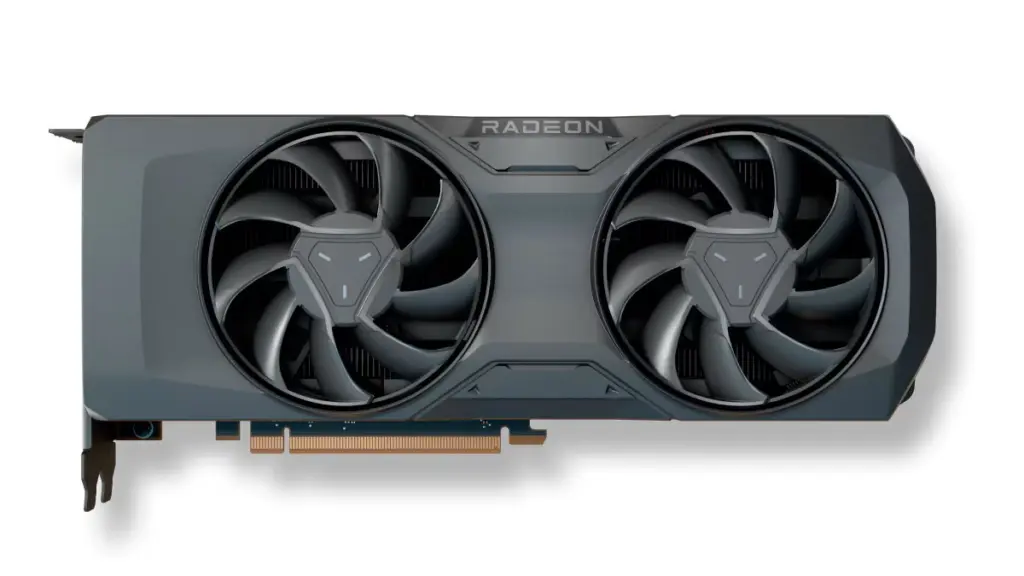
4. AMD Radeon RX 7800 XT — Best Midrange Powerhouse
Why it stands out:
AMD’s RX 7800 XT redefines midrange performance. For under $600, it competes directly with NVIDIA’s 4070 — and often wins in raw rasterization.
It’s built for gamers upgrading from older generations like the RX 5700 XT or RTX 2070, offering over double the frame rates in most modern games. With 16GB of VRAM, it’s also more future-proof than its price tag suggests.
In real-world terms, that means 1440p Ultra gaming at 100–160 FPS — perfect for high-refresh monitors and esports setups.
Performance breakdown:
- 1440p Ultra: 120–160 FPS
- 4K High: 70–90 FPS
- Power Draw: ~260W
- Features: Excellent cooling, quiet fans, competitive pricing
It doesn’t have DLSS, but AMD’s FSR 3 with Frame Generation continues to improve — and in games that support it, performance can jump dramatically without noticeable quality loss.
Ideal for: Mainstream gamers, value seekers, competitive setups
Price range: $549 USD
Verdict:
The RX 7800 XT nails the balance between price and performance. It’s not flashy, but it’s reliable, efficient, and delivers genuine next-gen gaming without breaking the bank.
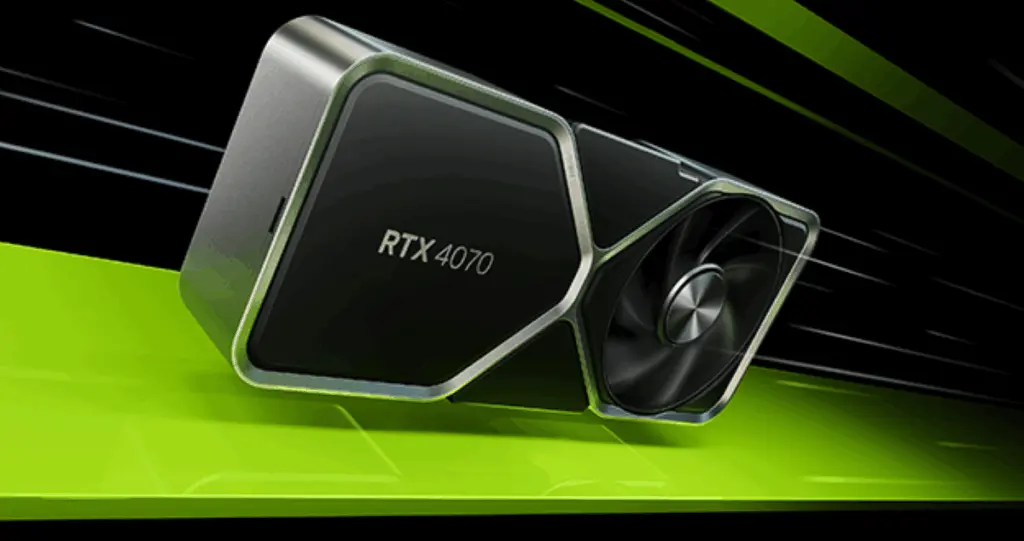
5. NVIDIA GeForce RTX 4070 — Compact Yet Capable
Why it stands out:
The RTX 4070 is a marvel of efficiency. It brings next-gen features like DLSS 3, Frame Generation, and Ray Reconstruction to a power envelope under 220 watts — making it ideal for smaller builds.
Despite its compact form factor, it handles modern titles at 1440p ultra settings with ease and even dips into 4K territory comfortably at 60+ FPS.
For gamers prioritizing silence, low heat, and stable performance, the 4070 is unmatched. Pair it with a mid-tier CPU like the Ryzen 7 7800X3D, and you’ve got a killer combo.
Performance details:
- 1440p Ultra: 100–140 FPS
- 4K High: 60–75 FPS
- Power Draw: ~200W
- Thermal Behavior: Excellent for small form factor builds
It also benefits from NVIDIA’s ecosystem — NVENC encoding, Reflex, and Broadcast — making it a favorite among streamers and creators.
Ideal for: 1440p gamers, small-form PC builders, energy-conscious users
Price range: $599 USD
Verdict:
The RTX 4070 may not have the brute strength of its siblings, but its efficiency, features, and compact design make it one of 2025’s most well-rounded GPUs.
Choosing the Right GPU in 2025Selecting the right GPU is less about raw benchmarks and more about aligning with your priorities.
Here’s how to decide:
Streamers → Prioritize NVENC or AMF encoding quality
Resolution first:
1080p → RX 7800 XT or RTX 4070
1440p → RTX 4070 or RX 7900 XTX
4K → RTX 4080 Super or 4090
Monitor refresh rate:
Don’t waste frames on a 60Hz screen. Pair 144Hz+ monitors with strong GPUs for smoother motion.
Power and case size:
High-end cards like the RTX 4090 require 850W+ PSUs and large chassis. Midrange cards fit more compact builds.
Features that matter:
NVIDIA: DLSS 3.5, Frame Generation, Ray Reconstruction
AMD: FSR 3, AV1 Encoding, Smart Access Memory
Use case:
Gamers → Focus on FPS and resolution
Creators → Look for CUDA/ROCm acceleration
The Bigger Picture: GPUs Beyond Gaming
2025 has made one thing clear — graphics cards have evolved beyond gaming.
Today’s GPUs double as AI co-processors, powering everything from real-time upscaling to text-to-video generation. Whether it’s running ChatGPT locally, animating characters in Unreal Engine, or simulating physics for 3D design, GPUs have become the creative heart of modern computing.
NVIDIA’s push toward AI integration through CUDA and Tensor cores has blurred the line between “graphics” and “intelligence,” while AMD’s open software ecosystem continues to empower developers and gamers alike.
That’s why the best GPU isn’t just the one that runs your favorite game — it’s the one that expands what you can do.
Final Thoughts
We’re living through a GPU renaissance. The cards on this list don’t just represent more power — they represent new possibilities.
- The RTX 4090 remains untouchable for pure performance.
- The RX 7900 XTX is the smart value pick for 4K enthusiasts.
- The RTX 4080 Super delivers elite power without excess.
- The RX 7800 XT nails the midrange sweet spot.
- And the RTX 4070 makes high-end gaming accessible to everyone.
Whichever route you take, 2025’s GPUs promise a world where games look, feel, and perform better than ever — powered by silicon that’s not just fast, but intelligent.



Reader perspectives, questions, and reactions.
No comments yet. Start the conversation.
Comments are closed for this article.