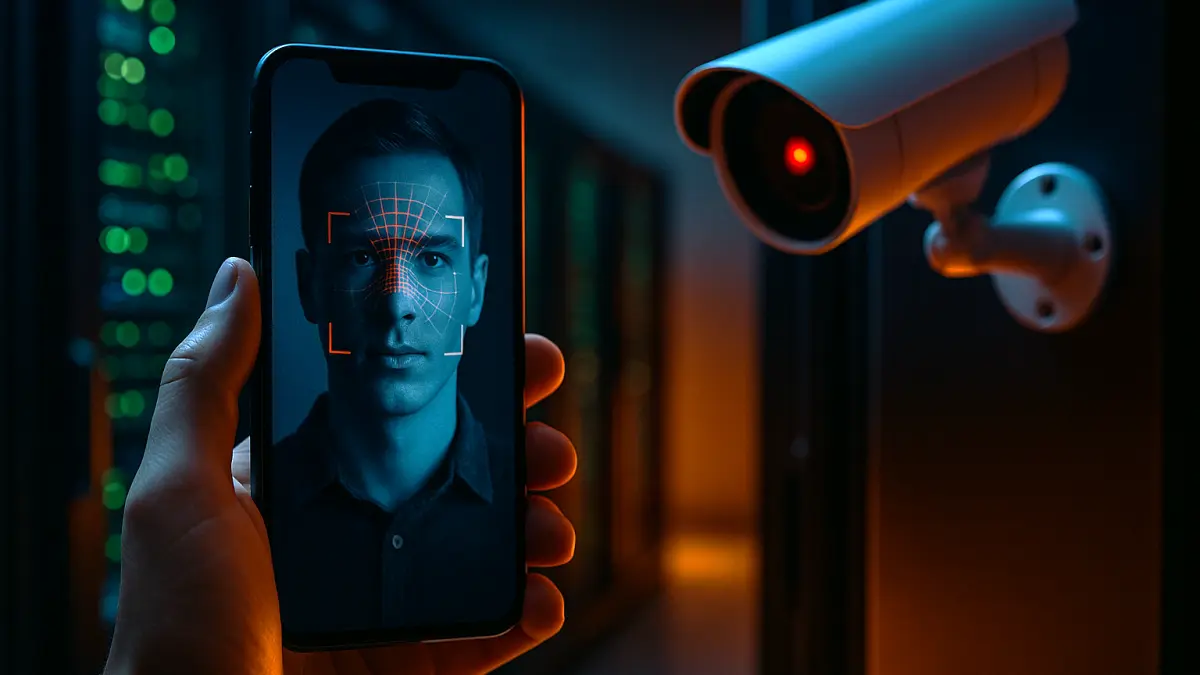

Face recognition technology has become a prominent tool in various sectors, from security to customer service. However, its application raises important questions about safety and privacy. The claim that using face recognition technology is always dangerous is a mixed verdict.
Claim: Using Face Recognition Technology is Always Dangerous
Quick answer: The verdict is mixed due to the varying applications of face recognition technology.
On one hand, face recognition can enhance security measures. For instance, law enforcement agencies utilize it to identify suspects, which can lead to quicker resolutions of crimes. In public spaces, such systems can deter criminal activity, providing a sense of safety for citizens.
However, the technology is not without its drawbacks. Privacy advocates argue that constant surveillance can infringe on individual rights. Misuse of this technology can lead to wrongful accusations or discrimination, particularly against marginalized groups. Furthermore, the accuracy of face recognition systems can vary, leading to potential errors in identification.
Understanding the context in which face recognition technology is applied is crucial. In controlled environments, such as securing a smartphone or verifying identities for financial transactions, the benefits may outweigh the risks. Conversely, widespread surveillance in public spaces can create a chilling effect on free expression and privacy.
As users of technology, it is important to navigate this balance. Advocating for transparency and regulation can help mitigate risks while still allowing for the benefits of face recognition technology. Ultimately, the key lies in the responsible and ethical use of this powerful tool.