
Smart home devices can improve energy efficiency. This claim is true, as many smart home technologies are specifically designed to optimize energy usage in households.
Claim: Smart home devices can improve energy efficiency.
Quick answer: Smart home devices can indeed improve energy efficiency.
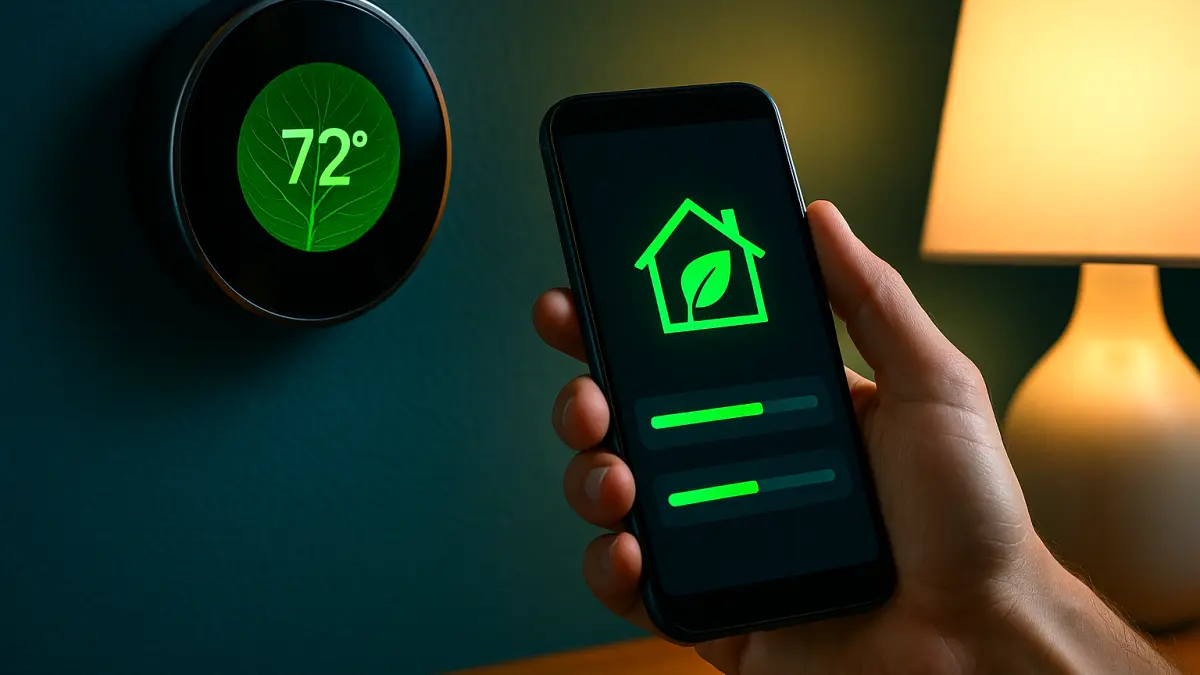
Devices such as smart thermostats, smart lighting, and energy monitoring systems allow users to control and monitor their energy consumption more effectively. For instance, smart thermostats can learn your schedule and adjust heating or cooling settings accordingly, which can lead to significant energy savings over time.
Moreover, smart lighting systems can automatically turn off lights in unoccupied rooms or adjust brightness based on natural light levels. This not only saves energy but also extends the lifespan of light bulbs.
Energy monitoring systems can provide insights into which devices consume the most power, enabling homeowners to make informed decisions about their energy use. By identifying high-energy devices, users can take steps to reduce consumption, such as replacing older appliances with more energy-efficient models.
In addition to these practical benefits, the cumulative effect of improved energy efficiency can lead to substantial cost savings. As energy prices continue to rise, optimizing energy use becomes increasingly important for household budgets.
Furthermore, reducing energy consumption contributes to a smaller carbon footprint, which is essential in the fight against climate change. By using smart home devices to manage energy use, consumers can play a part in promoting sustainability.
In conclusion, the claim that smart home devices can improve energy efficiency is valid. As technology continues to evolve, these devices will likely become even more sophisticated, providing additional opportunities for energy savings and environmental benefits.