
The claim that your smartphone can access your personal data without your knowledge is a myth. Smartphones are designed with user privacy in mind, requiring explicit permissions for apps to access personal information such as contacts, photos, and location data.
Claim: Your smartphone can access your personal data without you knowing.
Quick answer: The claim is a myth because smartphones require user permissions to access personal data.
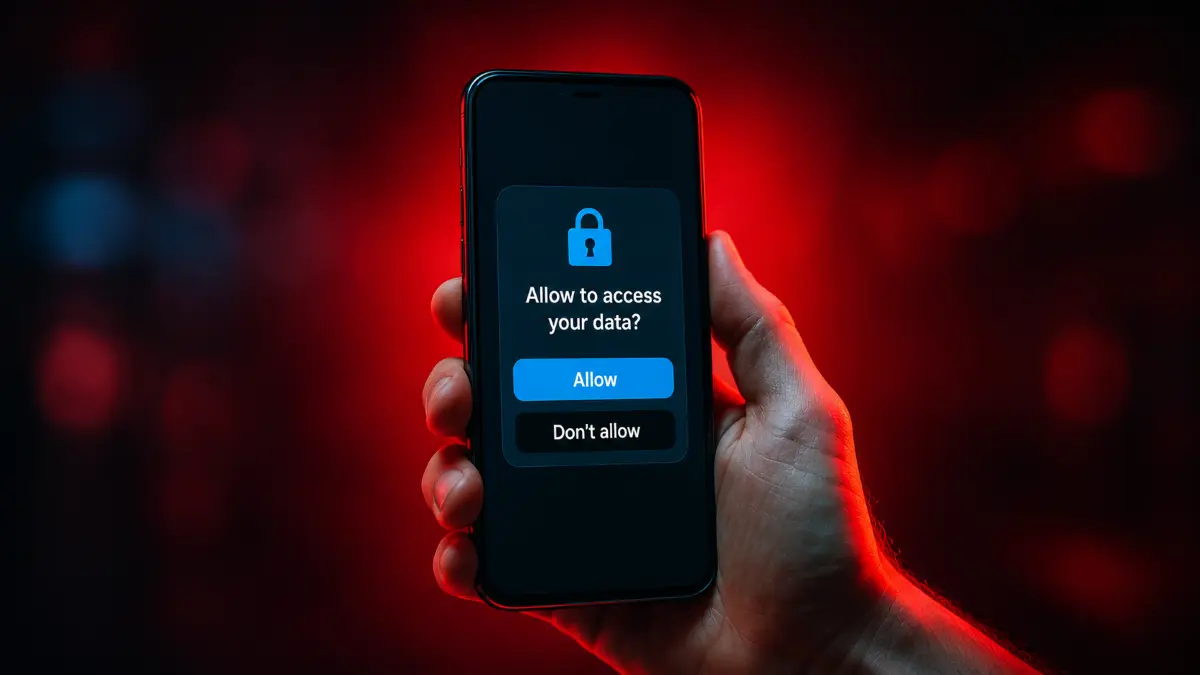
When you install an application, you are typically prompted to grant certain permissions. These requests can range from accessing your camera to reading your contacts. If you decline these permissions, the app cannot access that data. This design is intentional, as it allows users to maintain control over their personal information.
Understanding how permissions work is vital for anyone who uses a smartphone. Users often overlook the importance of reviewing app permissions, which can lead to unnecessary data sharing. For instance, a simple game app may request access to your contacts or location, which may not be relevant to its function. Being vigilant about what permissions you grant can significantly enhance your privacy.
Moreover, both Android and iOS platforms have made strides in providing users with more information about permissions. Users can manage permissions in their device settings, allowing them to revoke access at any time. This level of control empowers users to protect their privacy actively.
In conclusion, the notion that smartphones can access personal data without user knowledge is unfounded. By understanding and managing app permissions, users can take proactive steps to safeguard their personal information. This awareness is crucial in a world where data privacy concerns are increasingly prevalent.