
The claim that more social media usage leads to worse sleep quality has gained attention in recent years. While some studies suggest that excessive social media use can negatively affect sleep, the relationship is not entirely straightforward. The verdict on this claim is mixed.
Claim: More social media usage leads to worse sleep quality.
Quick answer: The impact of social media on sleep quality is mixed, with both negative and positive effects depending on usage patterns.
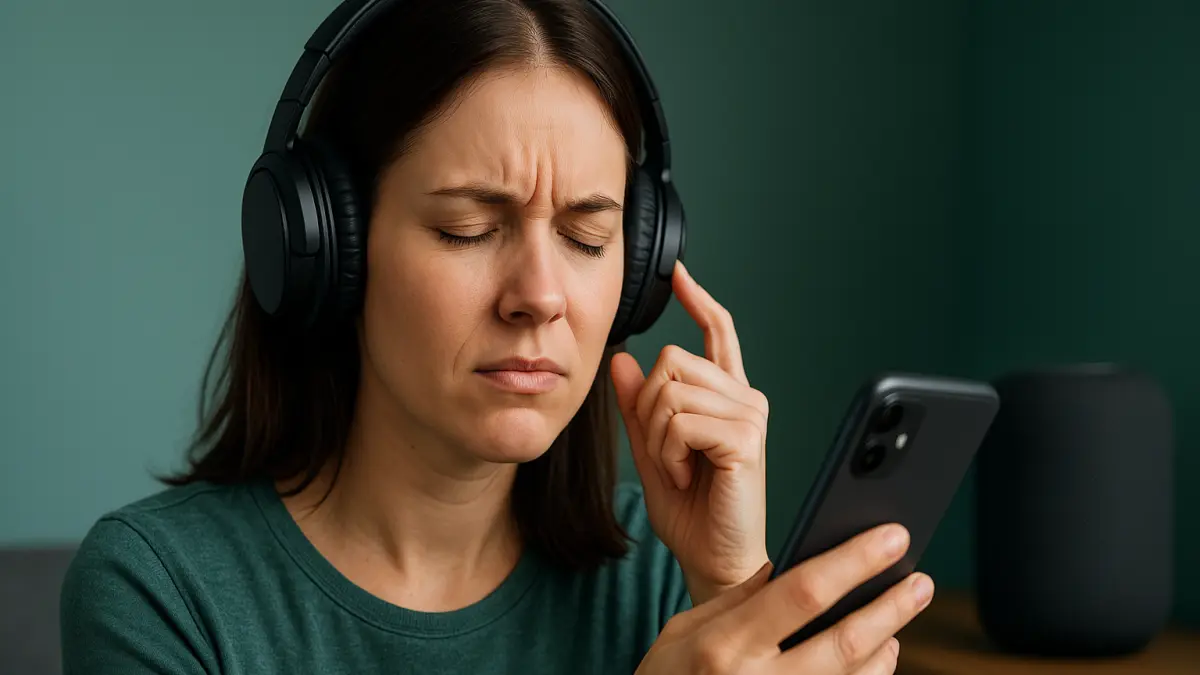
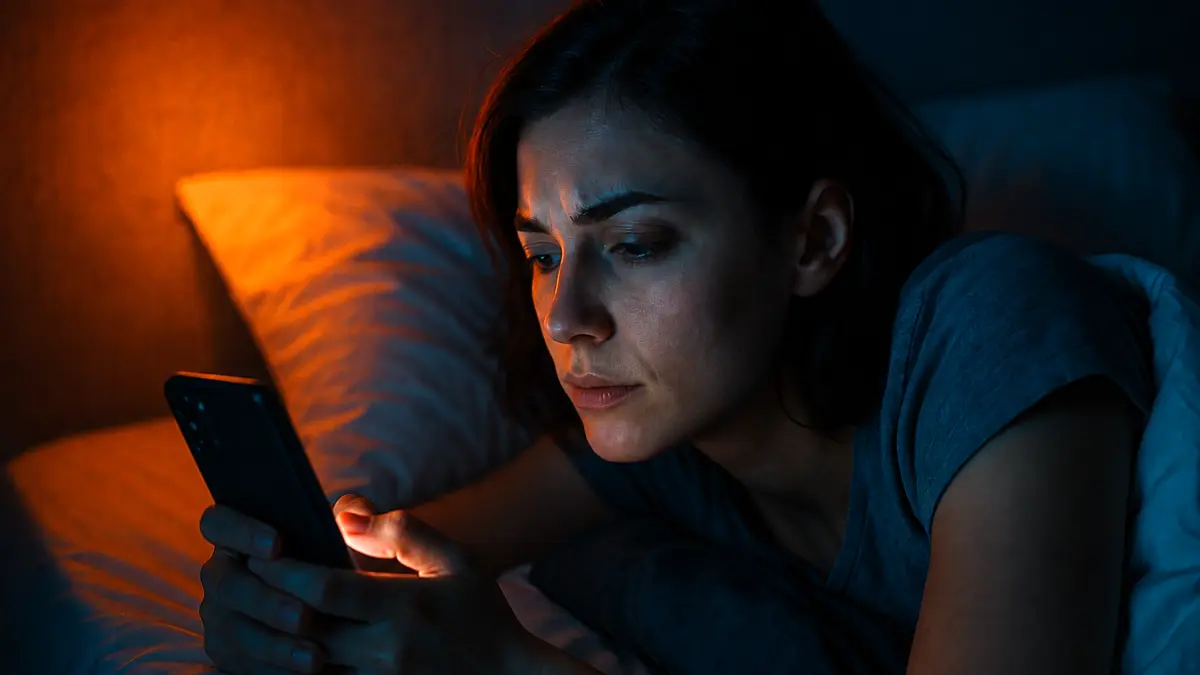
Research indicates that high levels of social media engagement, especially before bedtime, can disrupt sleep patterns. The blue light emitted by screens can interfere with the body’s natural sleep-wake cycle, making it harder to fall asleep. Moreover, the content consumed on social media can provoke emotional responses, leading to increased anxiety or stress, which can further impact sleep quality.
However, it’s essential to consider the context of social media usage. Moderate use can actually foster connections with friends and family, which may enhance feelings of support and belonging. These connections can provide emotional comfort, potentially leading to better mental health and, by extension, improved sleep quality.
Finding a balance is crucial. Individuals should assess their social media habits and consider setting limits on usage, particularly in the hours leading up to bedtime. Strategies such as turning off notifications, establishing a digital curfew, or engaging in offline activities can help mitigate the negative effects of social media on sleep.
In conclusion, while excessive social media usage can indeed harm sleep quality, moderate use may offer benefits in terms of social connection. Understanding how to find a balance is key to maintaining both good sleep health and meaningful online interactions.