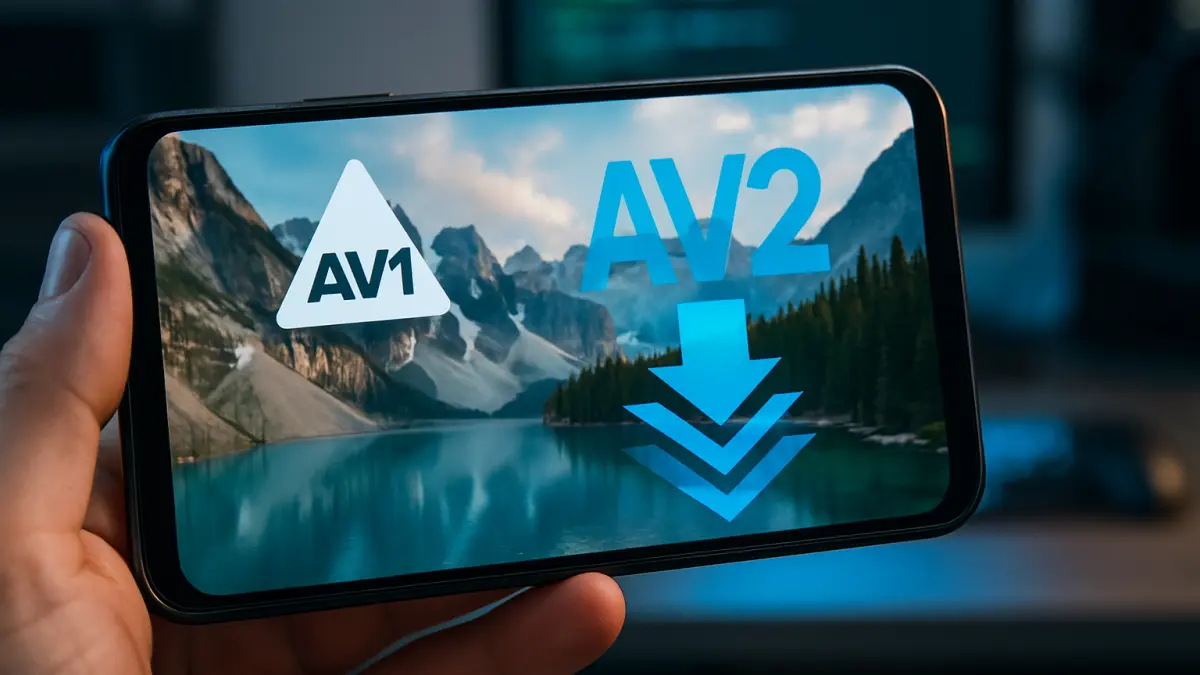

The mobile video landscape is poised for a significant upgrade with the arrival of the AV2 codec, the successor to the widely adopted AV1 standard. AV1 has already made waves by delivering smaller file sizes and improved streaming quality, but AV2 aims to push these benefits further, promising even greater compression efficiency and data savings. This development could reshape how mobile networks handle video traffic, a dominant force in global data consumption.
Why does this matter? Mobile video accounts for a substantial portion of internet traffic, and reducing the data required to stream high-quality video directly impacts both user experience and network costs. AV2’s enhanced compression techniques mean users could enjoy smoother streams with less buffering, even on constrained data plans or slower connections. For carriers and content providers, this translates into lower bandwidth expenses and the potential to serve more customers without upgrading infrastructure.
The broader industry context highlights an ongoing race to optimize video codecs amid surging demand for high-resolution and immersive content. AV1’s open-source nature and royalty-free licensing helped it gain traction as a viable alternative to legacy codecs like H.264 and HEVC. AV2, reportedly building on this foundation, could accelerate adoption by delivering superior performance while maintaining cost advantages. However, details about AV2’s rollout timeline and compatibility remain unconfirmed, leaving room for cautious optimism.
Strategically, the AV2 codec could influence device manufacturers, streaming platforms, and network operators to prioritize support for the new standard. Early adoption may become a competitive edge, especially as 5G and edge computing expand mobile video capabilities. The codec’s success will depend on ecosystem readiness, including hardware decoding support and software integration.
What to watch next is how quickly AV2 gains traction in the market and whether it can overcome the inertia of established codecs. Industry announcements, chipset support, and real-world performance benchmarks will be key indicators. For now, AV2 represents the next step in the ongoing effort to make mobile video more efficient and accessible worldwide.