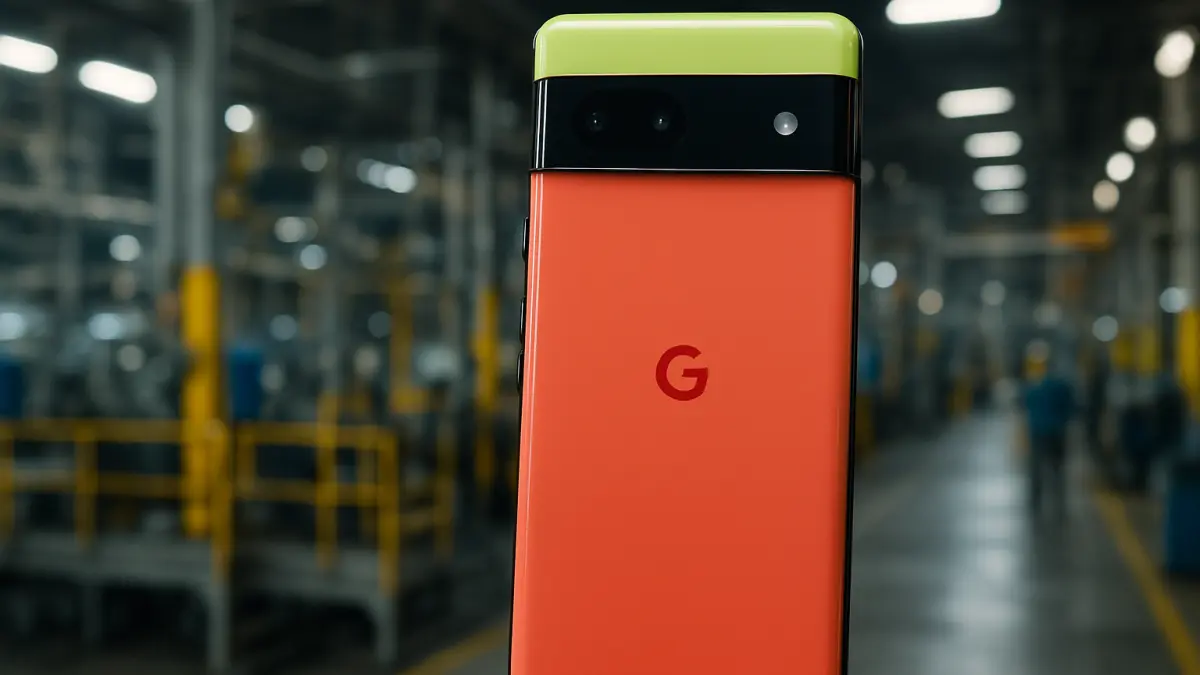

Google is reportedly planning to end production of its Pixel smartphones in China as early as next year, according to a recent report. The move comes as the company aims to ship around 13 million Pixel devices in 2026, marking a significant shift in its manufacturing strategy. This decision reflects broader trends in the tech industry as companies reassess their supply chains amid geopolitical tensions and evolving market dynamics.
The shift away from China production is notable given the country’s long-standing role as a global manufacturing hub for consumer electronics. Google’s plan to relocate Pixel manufacturing could be driven by a desire to diversify its supply chain and reduce reliance on a single region. This strategy aligns with similar moves by other tech giants who are increasingly seeking alternatives to China amid trade uncertainties and rising costs.
From a strategic perspective, Google’s target of 13 million Pixel units in 2026 signals confidence in the brand’s growth potential despite the challenges of shifting production. The company appears to be betting on expanding its hardware footprint while managing risks associated with manufacturing disruptions. This also suggests that Google is prioritizing supply chain resilience as a core element of its hardware business strategy moving forward.
Looking ahead, the key question will be where Google chooses to relocate its Pixel production and how this transition impacts device availability and pricing. The broader industry will be watching closely, as Google’s moves could influence supply chain decisions across the smartphone market. For now, the company’s plan to exit China production by 2027 remains unconfirmed but signals a notable evolution in its approach to hardware manufacturing.


Reader perspectives, questions, and reactions.
No comments yet. Start the conversation.
Comments are closed for this article.