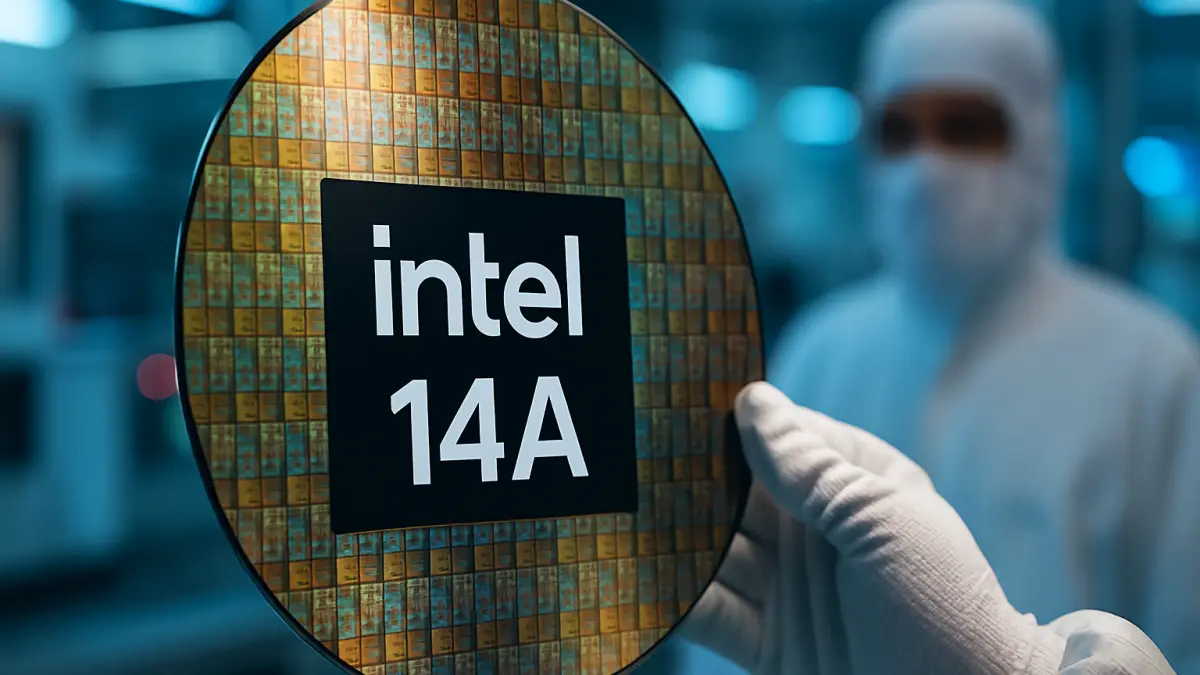

Intel has officially confirmed that its next-generation 14A semiconductor technology is on track for high-volume mass production in 2028. This announcement comes alongside Intel’s report of a 25% year-over-year increase in sales, surpassing its previous guidance and signaling a notable rebound in the company’s financial performance.
The commitment to 14A production marks a critical milestone for Intel’s roadmap as it competes aggressively in the semiconductor manufacturing race. The 14A node represents a key step forward in Intel’s process technology, aiming to deliver enhanced performance and efficiency improvements necessary to keep pace with industry leaders. Achieving mass production readiness by 2028 aligns with Intel’s broader strategy to regain technological leadership and expand its foundry business.
Intel’s sales growth of 25% year-over-year underscores the company’s improving market position amid a challenging semiconductor landscape. This growth reflects strong demand for Intel’s products and suggests that its investments in new process technologies and product lines are beginning to pay off. The company’s ability to exceed earnings guidance further bolsters confidence in its strategic direction.
Looking ahead, Intel’s 14A technology ramp will be closely watched by industry observers as a benchmark for the company’s competitiveness against rivals like TSMC and Samsung. The timing and success of this ramp could influence Intel’s role in supplying advanced chips for a range of applications, from consumer electronics to data centers. The semiconductor sector remains intensely competitive, and Intel’s progress with 14A will be a key indicator of its ability to innovate and capture market share in the coming years.
What remains to be seen is how Intel will navigate potential production challenges and market dynamics leading up to 2028. The company’s execution on 14A will be critical to sustaining its growth momentum and technological relevance in a rapidly evolving industry.