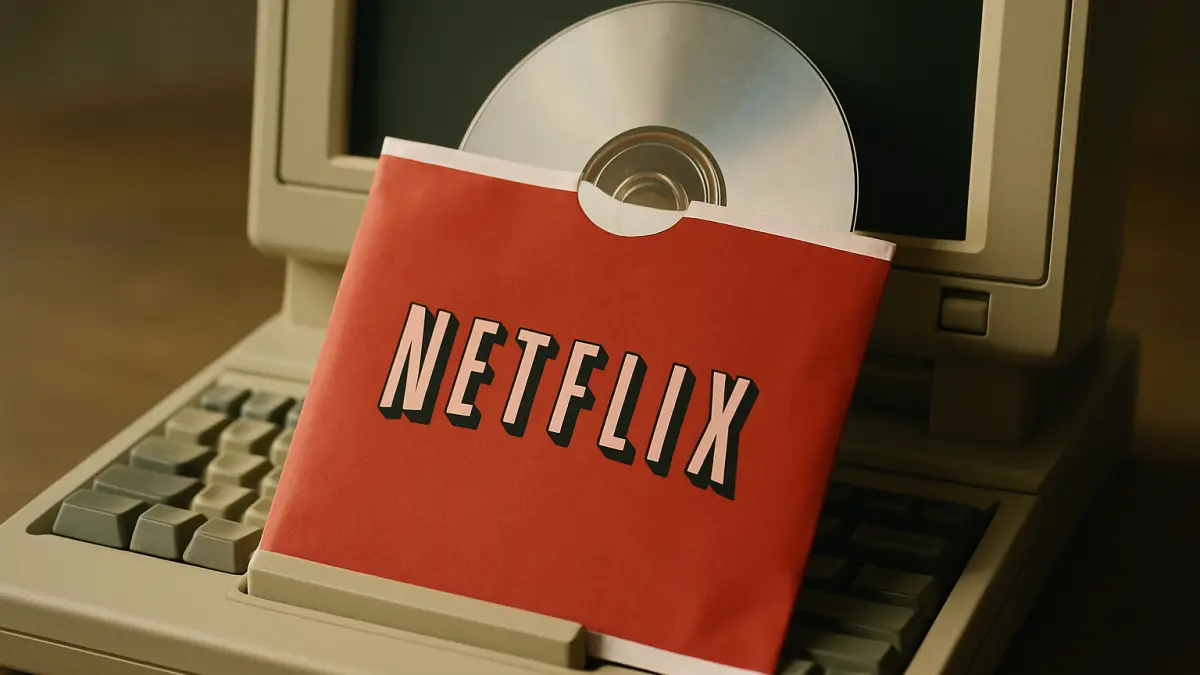

The way we consume movies and TV shows today owes a lot to a quiet shift that began on August 29, 1997. That’s when Netflix launched as an internet DVD rental service, setting in motion a transformation in how audiences accessed entertainment. This wasn’t just a new company entering the market; it was a fresh approach to solving a stubborn problem, how to rent movies without the hassle of physical stores.
Before Netflix, renting DVDs meant trips to brick-and-mortar stores, dealing with limited selections, late fees, and inconvenient hours. The launch of Netflix’s internet DVD rental service introduced a system where customers could browse and order movies online, then receive DVDs by mail. This model leveraged the growing reach of the internet to bypass traditional physical constraints and customer pain points.
At the time, the idea of ordering DVDs online was still novel. Internet speeds were modest, and digital streaming was in its infancy. Netflix’s service didn’t stream content but instead optimized the rental process with a subscription model and a no-late-fee policy. This innovation addressed two major friction points: convenience and customer trust. Subscribers could build queues of movies to watch next, and Netflix handled the logistics of shipping and returns. This approach was a subtle but effective use of technology to reimagine an old business.
What changed because of this release was the foundation for a new entertainment economy. Netflix’s model showed that digital platforms could disrupt entrenched industries by rethinking distribution and customer experience. It also planted the seeds for the streaming era that would follow. The infrastructure and user base Netflix built through DVD rentals became the launchpad for its later pivot to streaming, fundamentally altering media consumption patterns worldwide.
The internet DVD rental service also demonstrated the power of data-driven recommendations and subscription-based access. Netflix’s early focus on customer preferences and convenience foreshadowed how digital services would evolve to prioritize personalized content delivery. This approach has influenced countless platforms beyond entertainment, highlighting the broader impact of Netflix’s initial technology-driven solution.
Today, while physical DVD rentals have largely faded, the principles Netflix introduced remain central to digital media. The shift from physical to digital content distribution is now standard, but it began with a simple idea: use the internet to remove barriers and improve the customer experience. Netflix’s launch on August 29, 1997, remains a key moment in understanding how technology reshapes industries by addressing real user problems with innovative solutions.
Looking back, this event is a reminder that transformative technology often starts with incremental improvements. Netflix didn’t invent online entertainment overnight. Instead, it took a pragmatic step that leveraged existing technology in a new way. That step unlocked possibilities that continue to influence how we watch, share, and think about media today.