

A quiet revolution begins
On a crisp January morning, 26‑year‑old Maya Chen logs off. She leaves her smartphone in a drawer, unplugs her smart speaker and reaches for her grandmother’s leather‑bound journal. The month ahead is her commitment to Analog January, a movement championed by digital‑minimalism thinker Cal Newport in which participants trade algorithmic feeds for tactile experiences: handwritten letters, physical books and long walks. This small act reflects a broader cultural shift: search interest in “digital detox vision board” skyrocketed in 2025, and nearly half of Generation Zers actively limit their screen time. In other words, turning off has become a movement, not a mere meme.
Yet Analog January is less a product than a practice. Productivity expert Emily Austen describes it as a conscious shift away from compulsive phone use rather than a full retreat into Luddism: “It’s about resetting from reflexive, unconscious grabs and making your time online more deliberate”. Participants commit to daily walks, reaching out to people via phone or in person, making something with their hands, reading physical books and banning screens from bedrooms. The “Janalogue” challenge, as social media jokingly dubbed it, is trending precisely because of society’s exhaustion with digital overload; adults spend 8 to 12 hours a day staring at screens, leading to eye strain, mental fatigue and disrupted sleep. Scott Galloway notes that nine in ten U.S. adults check their phones within ten minutes of waking and six in ten admit to smartphone addiction. The irony is not lost on us: a viral social movement calls on us to stop going viral.
Table of Contents
Reading the history of unplugging

Analog January didn’t emerge from a vacuum. The Global Wellness Summit’s 2025 report predicted people would “analog on” with retro tech and slow experiences. Nostalgic devices like dumb phones, film cameras and record players quickly moved from hipster curiosities to mainstream products shaping travel, fashion and home design. This shift was partly a backlash to ubiquitous AI in 2025, when AI‑generated models dominated marketing. Creative director Anjela Freyja observed that brands used AI simply because it was fashionable, prompting consumers to crave authenticity and quality.
Analog living also draws from deep cultural rhythms and parenting philosophies. Wellness practices such as Japan’s Misogi—a call to undertake one challenging, offline ritual—mirror parents’ efforts to replace screens with board games and puzzles in order to give life the “edges” that digital experiences lack. Child psychologist Dr. Becky Kennedy notes that completing a row of knitting or finishing a puzzle provides boundaries that help children feel safe and competent.
What the science says about unplugging and well‑being
Science backs analog living. In a one‑week randomized trial, young adults who limited social media experienced a 16 percent reduction in anxiety, a 25 percent drop in depression and a 14.5 percent decrease in insomnia; participants reduced social media use from 1.9 hours per day to about 30 minutes. Vail Health experts say constant notifications and blue light overstimulate the brain and disrupt sleep, while phone‑free meals and time limits reduce anxiety in children. Accenture’s Life Trends survey found that 42 percent of people said their most enjoyable experiences last week were physical versus 15 percent digital, and 65 percent intentionally manage their social media use. Together these findings suggest unplugging fosters health and joy.
Analog design: reimagining home and work
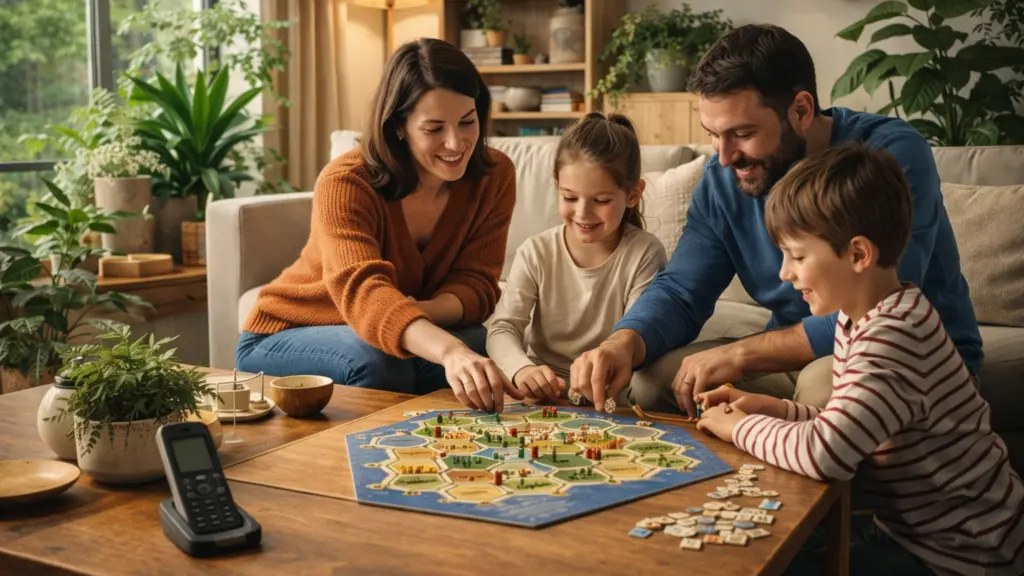
The analog revival is perhaps most visible in the spaces we inhabit. Designers speak of an analog home, where homeowners swap NASA‑like smart systems for knobs and digital‑detox corners. Researchers argue that always‑listening gadgets foster anxiety and that many wealthy buyers now choose offline appliances and even landlines. The message is clear: technology must recede into the background to make room for materials, nature and human interactions.
Analog design also fuels a renaissance of physical media. Vinyl records, once relegated to attics, are booming: U.S. LP sales rose from 2.8 million units in 2010 to 43.6 million in 2024. The appeal is tactile and emotional—vinyl offers a physical touchpoint, warm sound and collectability, and buying records supports artists. Gen Z’s digital fatigue pushes them toward slower, more immersive listening experiences. Photography tells a similar story: Leica sold just 500 film cameras a year in 2015, but by 2023 sales surged tenfold. Company chairman Dr. Andreas Kaufmann says the “return of analog” reflects a desire for devices that do one thing well.
The mobility dimension: slowing down to go further

Analog January doesn’t just happen at home; it influences how we move. Travel platform Rome2Rio notes that in 2026 travelers are choosing “smaller towns, villages and regions” over crowded capitals, with searches for lesser‑known destinations up 35 percent. Instead of racing through country checklists, people are planning connected regional loops, staying longer in one place and exploring local markets, trails and cafes. Scenic train routes are replacing short flights; trains are considered part of the experience, offering panoramic windows, no security lines and better comfort. Night trains and sleeper buses are making a comeback because they allow travelers to move while they sleep and maximize daylight for exploration. This shift to slow travel reduces carbon emissions, cuts the stress of flying and aligns with the analog ethos of presence and intention.
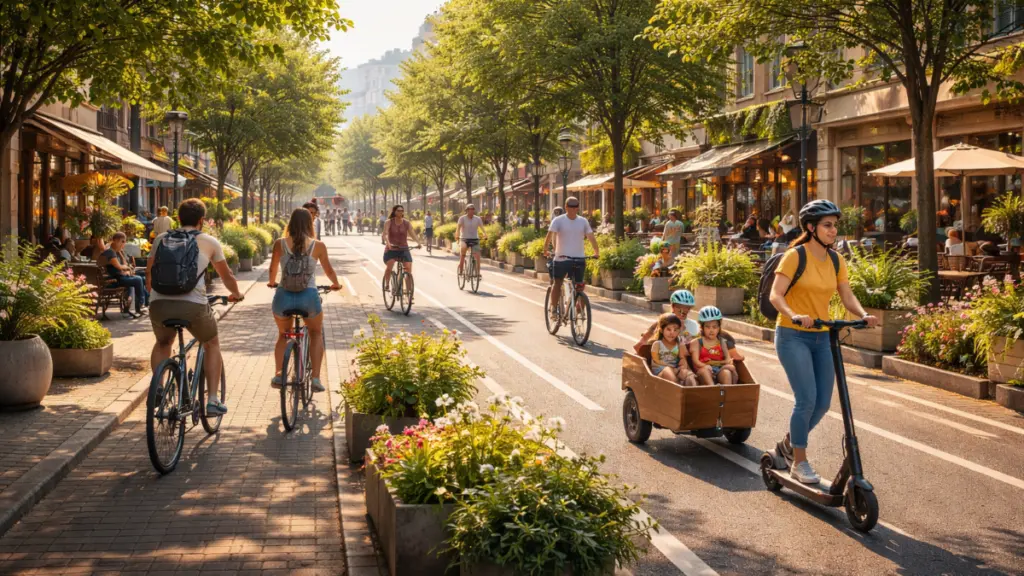
Urban mobility is undergoing its own analog evolution. Cities are reallocating car lanes and reducing speed limits to prioritize micromobility—e‑bikes, e‑scooters and cargo bikes. Experts argue that sustainable streets require limiting motor traffic and expanding small electric vehicles and public transit. Analog January participants embody this shift by biking to work, taking trains instead of planes and choosing human‑scale vehicles that let them notice their surroundings.
The ethics and economics of analog consumption
One might assume that analog living is a privilege reserved for the affluent, but evidence suggests the movement speaks to deeper ethical and economic concerns. In the 2026 consumer outlook, trend forecaster WGSN identifies a new shopper profile called the gleamers, people who reject the hustle culture and turn their backs on traditional life milestones to celebrate smaller pleasures and community support. Brands are encouraged to create in‑person, social experiences that nurture care and happiness. At the same time, consumers demand transparency and affordability; as Freyja notes, Gen Z wants brands to be truthful about why they exist and what they represent. Analog goods like vinyl records or well‑made journals are not just objects; they are investments in craftsmanship, sustainability and slower consumption. A physical book or board game doesn’t require constant upgrades or data harvesting. It may cost more upfront but can be shared, repaired and passed down.
This economic dimension intersects with sustainability. Slow travel reduces carbon footprints by favoring trains and longer stays over frequent flights. Micromobility reduces congestion and pollution, and many analog products are built to last. The digital detox market’s estimated growth to $19.44 billion by 2032 reveals a new industry built on helping people use tech less. Even the resurgence of vinyl and film photography has environmental implications: pressing records or producing film consumes resources, but the longevity and collectability of these items mean they are seldom discarded after a single use. Meanwhile, streaming and cloud storage require vast energy consumption for data centers. Analog January thus invites us to weigh trade‑offs: can we design analog experiences that minimize waste and maximize use?
Who benefits and who is left behind?
While Analog January promises mental clarity and community, it also prompts reflection about access. Not everyone can take time off work or invest in vinyl records, and analysts note that disconnection itself has become a luxury signaling confidence and autonomy. Nevertheless, analog practices often thrive in public libraries, community gardens and parks, offering free analog experiences that build alternative infrastructures of care, creativity and resilience. The movement is therefore less about privilege and more about reimagining how we spend time together.
Systems thinking: weaving analog threads across sectors
Analog January is more than a month‑long challenge; it signals a systemic reevaluation of our relationship with technology. At the household level, we redesign our interiors to include digital‑free corners, emphasising natural materials and biophilic design. At the product level, we see manufacturers re‑release analog devices that do one thing well, such as film cameras or mechanical watches. At the mobility level, we shift from cars and planes to trains, bikes and walking. At the community level, we invest in public spaces where people can gather without Wi‑Fi. At the policy level, we debate regulations that reduce car traffic, protect privacy and ensure equitable access to analog spaces.
These layers interconnect. When cities invest in micromobility and slow travel, residents naturally spend more time outdoors, meeting neighbors and decreasing screen time. When designers prioritize analog experiences, they create products that last, reducing waste. When consumers demand authenticity and transparency, brands must rethink marketing strategies and supply chains. The analog trend thus acts as a lever that shifts the entire system toward slower, more intentional living.
A speculative but realistic future
By 2030, neighborhoods could feature quiet streets filled with cargo bikes and microcars, community centers hosting vinyl listening parties and analog workshops, and schools teaching digital literacy alongside crafts like knitting. Slow travel would be mainstream thanks to high‑speed rail networks, and appliances would work offline by default, connecting only when needed. Though we will still rely on technology for medicine and communication, AI and digital tools can enhance analog experiences—planning scenic train trips or reminding us of local events—without tracking our every move. The analog revival is not a rejection of progress but a rebalancing toward human well‑being and sustainability. Celebrating Analog January offers a glimpse of a future where technology serves us, not the other way around.
Conclusion: the art of mindful presence
Analog January resonates because it invites us to notice again—to feel the paper texture under our fingers, to listen closely to the crackle of vinyl, to look up at passing landscapes from a train window. As mental health crises mount and digital platforms increasingly mediate our relationships, this simple act of unplugging becomes radical. The trend forces industries to rethink products, marketing and experiences; it challenges policymakers to design cities for people, not cars; it prompts designers to craft objects that last and spaces that soothe. Above all, it reminds us that well‑being is not found in endless feeds but in the bounded, analog moments that make life meaningful.




Reader perspectives, questions, and reactions.
No comments yet. Start the conversation.
Comments are closed for this article.