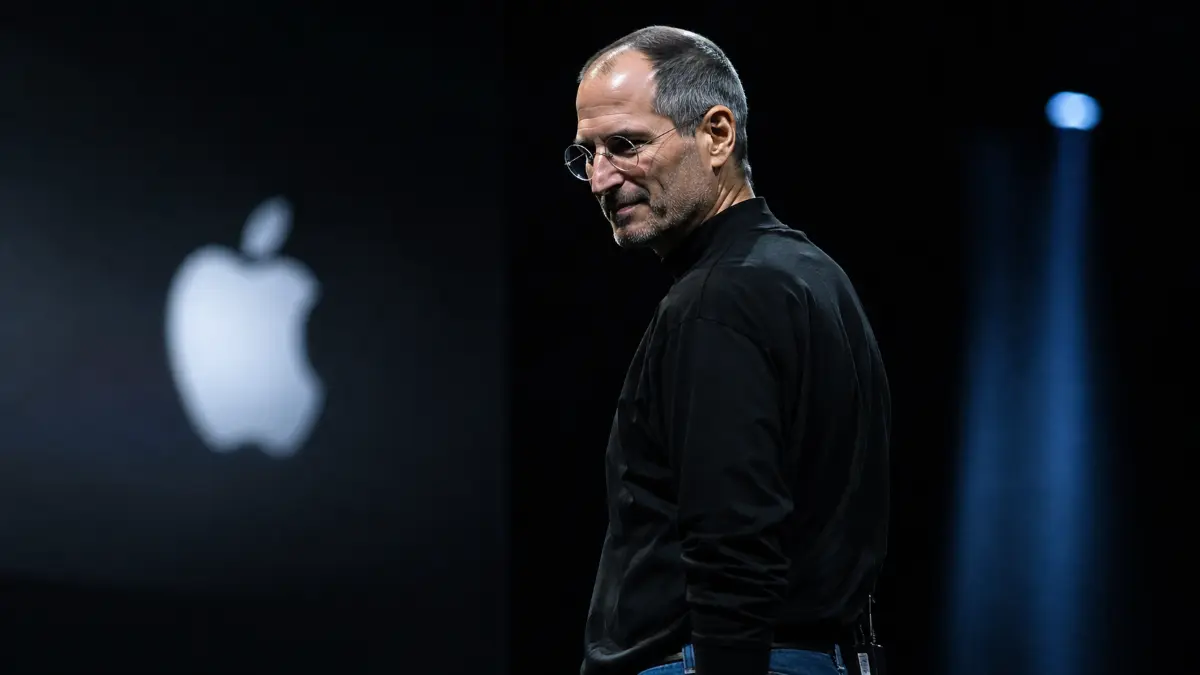

The curtain fell on an era of relentless innovation on August 24, 2011, when Steve Jobs steps down as Apple CEO. The announcement was terse yet profound: “I have always said if there ever came a day when I could no longer meet my duties and expectations as Apple’s CEO, I would be the first to let you know. Unfortunately, that day has come.” This moment was more than a leadership change. It was a seismic shift in the tech world’s landscape.
At the time, Jobs was not just a CEO; he was the visionary force behind Apple’s resurgence. His departure signaled the end of an intense chapter of product design and innovation that had redefined consumer technology. Under his leadership, Apple introduced game-changing products like the iPhone, iPad, and MacBook Air. These devices didn’t just fill market needs; they created entirely new categories and set new standards for user experience and design.
Why did this matter so much then? Jobs’ leadership style was unique, combining a deep understanding of technology with an almost artistic approach to product development. His ability to anticipate what consumers wanted before they knew it themselves was a rare talent. When he stepped down, the question was whether Apple could maintain its momentum without its iconic leader. The challenge was not just about continuing product innovation but preserving the culture of excellence and risk-taking that Jobs had instilled.
The change in leadership brought Tim Cook to the helm, a move that initially raised eyebrows. Cook’s operational expertise contrasted with Jobs’ visionary flair. Yet, this transition solved a critical problem: it allowed Apple to scale its operations globally while continuing to innovate. Cook’s leadership style emphasized supply chain efficiency and incremental innovation, which helped Apple sustain its market dominance. This shift showed that innovation at scale requires not just vision but also meticulous execution.
What changed because of this transition was Apple’s approach to innovation and growth. The company expanded its ecosystem with services like Apple Music, Apple Pay, and later, Apple’s push into health and augmented reality. The foundation laid by Jobs enabled these expansions, but Cook’s leadership ensured they were executed with precision. The company’s ability to balance visionary product launches with operational excellence became a blueprint for tech giants worldwide.
Why does this still matter today? Steve Jobs’ resignation reminds us that leadership in technology is as much about timing and self-awareness as it is about innovation. Jobs stepping down was a rare moment of transparency and responsibility in an industry often marked by relentless ambition. It also underscores the importance of succession planning in tech companies, where the loss of a visionary can threaten continuity. Apple’s story since 2011 is a case study in how to navigate that transition without losing sight of core values.
More than a decade later, the impact of this event is visible in how tech companies manage leadership transitions and sustain innovation. Jobs’ departure was not a failure but a strategic pivot that allowed Apple to evolve. It also set a precedent for leaders to recognize when stepping aside serves the company’s best interests. The tech world continues to grapple with this balance between visionary leadership and sustainable growth.
Reflecting on this moment, it’s clear that Steve Jobs stepping down was not just about a CEO’s health or tenure. It was a crucial juncture that tested Apple’s resilience and adaptability. The company’s ability to thrive after this shift shows that innovation is a collective effort, built on vision but executed by many. This event remains a powerful reminder that the future of technology depends on leadership that knows when to lead and when to let go.




Reader perspectives, questions, and reactions.
No comments yet. Start the conversation.
Comments are closed for this article.