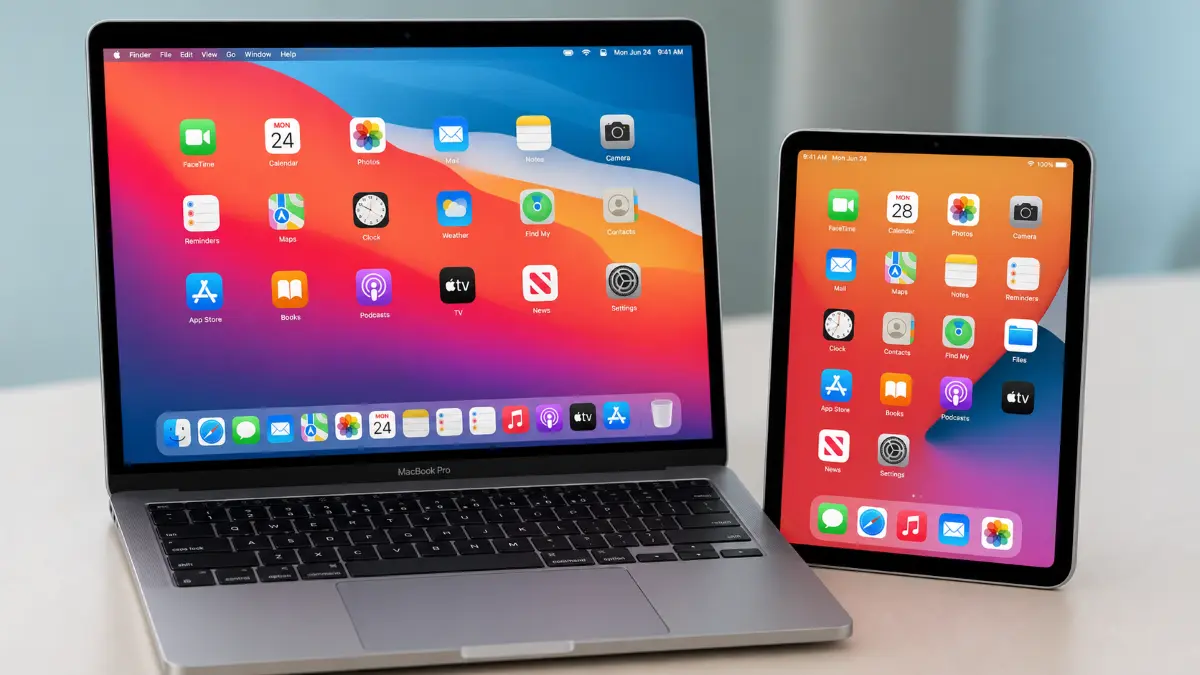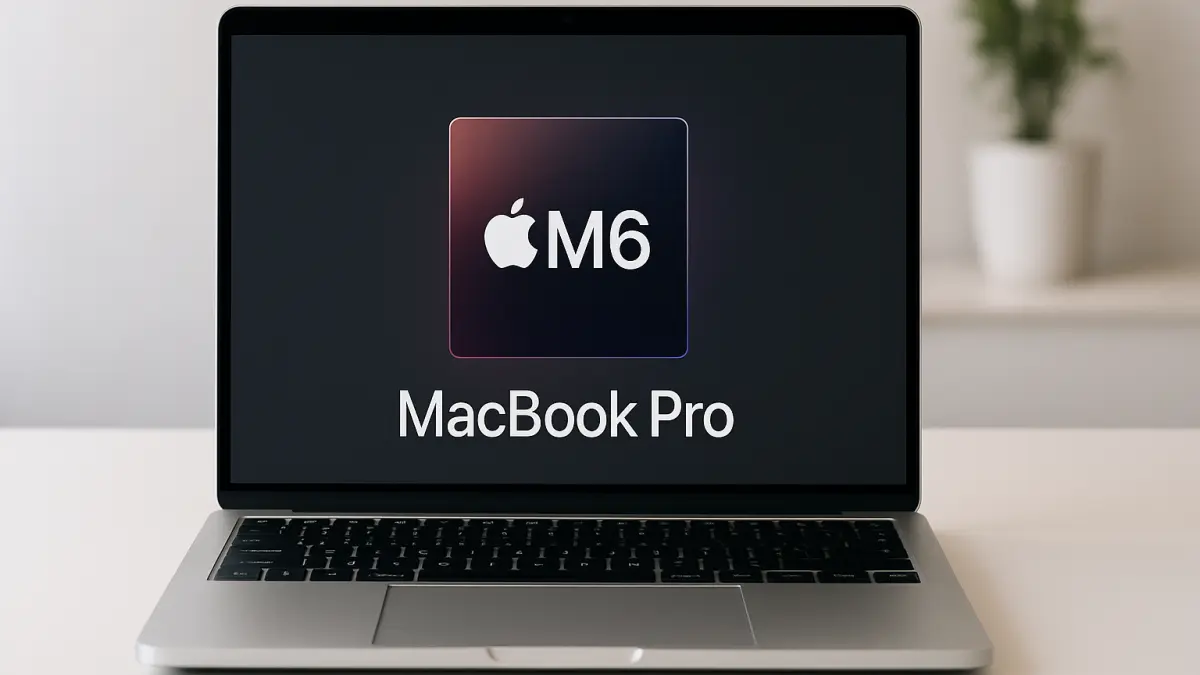

Apple is preparing to launch its next-generation M6 chip later this year, signaling another leap forward in the Apple Silicon lineup. This new processor is expected to power upcoming Macs and iPads, delivering notable performance improvements over its predecessors. While specific details remain under wraps, the M6 chip is anticipated to continue Apple’s trend of integrating high-efficiency cores with powerful performance cores, optimizing both speed and battery life.
For Apple users and developers, the arrival of the M6 chip means more capable devices that can handle demanding workflows with greater ease. This is particularly important as Apple continues to push the boundaries of what its hardware can do, especially in creative and professional applications. Developers can expect to leverage the enhanced processing power to build more advanced apps and experiences tailored to the evolving capabilities of Apple’s ecosystem.
In the broader industry context, Apple’s steady progression with its custom silicon chips challenges traditional PC and tablet makers who rely on third-party processors. The M6 chip underscores Apple’s commitment to vertical integration, controlling both hardware and software to optimize performance and efficiency. This approach has already reshaped the market with the M1 and M2 series, and the M6 is poised to extend that momentum.
Strategically, the M6 chip launch will be a critical component in maintaining Apple’s competitive edge, especially as rivals ramp up their own silicon efforts. It also reinforces Apple’s ecosystem strategy, where seamless performance across Macs, iPads, and other devices creates a compelling reason for users to stay within the Apple environment. The M6 could also influence the timing and design of future hardware releases, including potential new MacBook and iPad models.
What to watch next is how Apple positions the M6 chip in its product lineup and what specific performance benchmarks it will achieve. Early benchmarks and developer feedback will provide insight into how much of a step up the M6 represents and how it will shape the future of Apple Silicon devices.