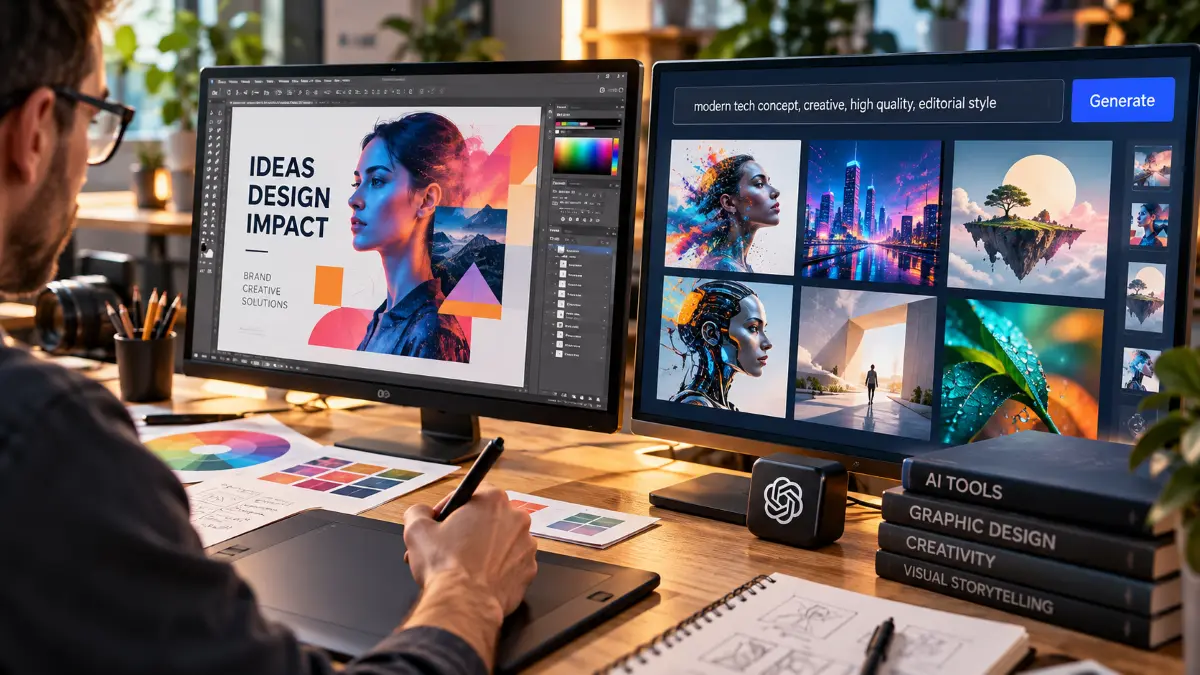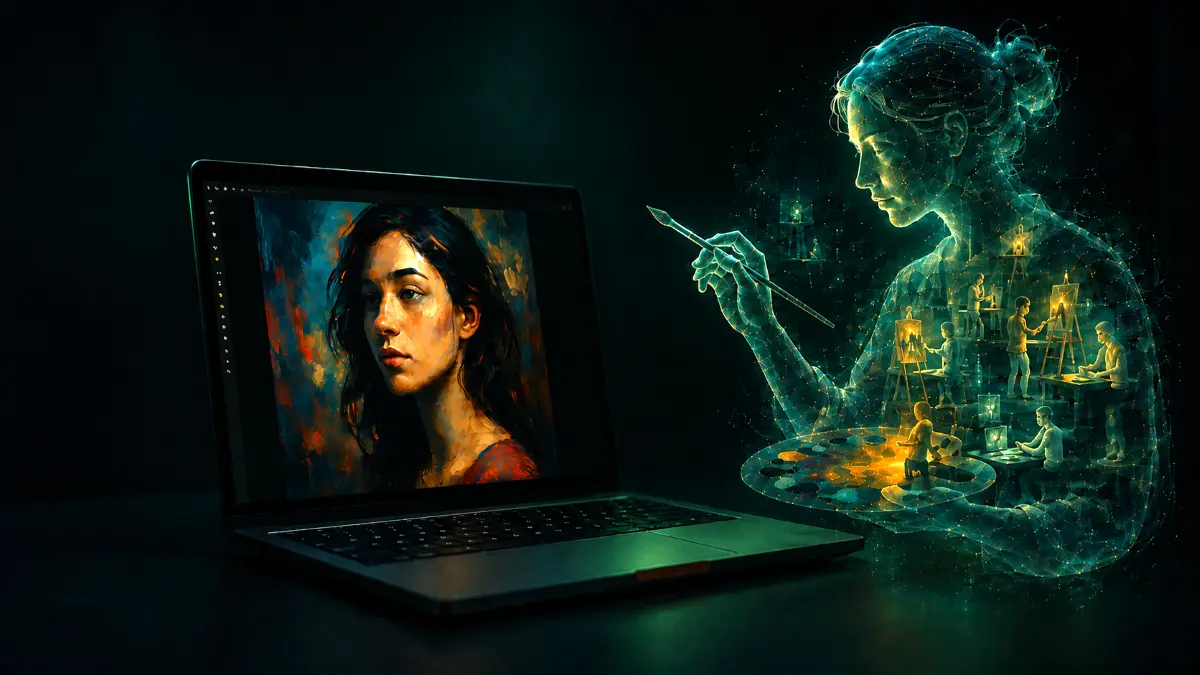

The claim that AI can create original artwork that rivals human creativity is a truth that is increasingly gaining traction. AI-generated art has evolved significantly, with algorithms capable of producing visually stunning pieces that can evoke emotion and provoke thought.
Claim: AI can create original artwork that rivals human creativity.
Quick answer: AI can create original artwork that rivals human creativity, challenging traditional views on artistry.
In recent years, AI systems such as DALL-E and Midjourney have demonstrated the ability to generate unique images based on textual prompts. These systems analyze vast datasets of existing artwork and styles, learning patterns and techniques that enable them to create original pieces. Artists and critics alike have begun to acknowledge the creativity embedded in these AI-generated works.
What makes this discussion particularly interesting is the context in which AI operates. Traditional definitions of creativity often emphasize human experience, emotion, and intention. However, as AI continues to produce complex and aesthetically pleasing work, it challenges our understanding of what it means to be creative.
Understanding AI’s capabilities can shape how we view creativity and technology. As AI-generated art becomes more prominent, it raises questions about authorship, originality, and the role of technology in creative processes. This evolution has implications not only for artists but also for audiences who consume art.
In conclusion, the assertion that AI can create original artwork that rivals human creativity is supported by the growing recognition of AI-generated art. As technology continues to advance, our perceptions of creativity may need to adapt to include these new forms of artistic expression.