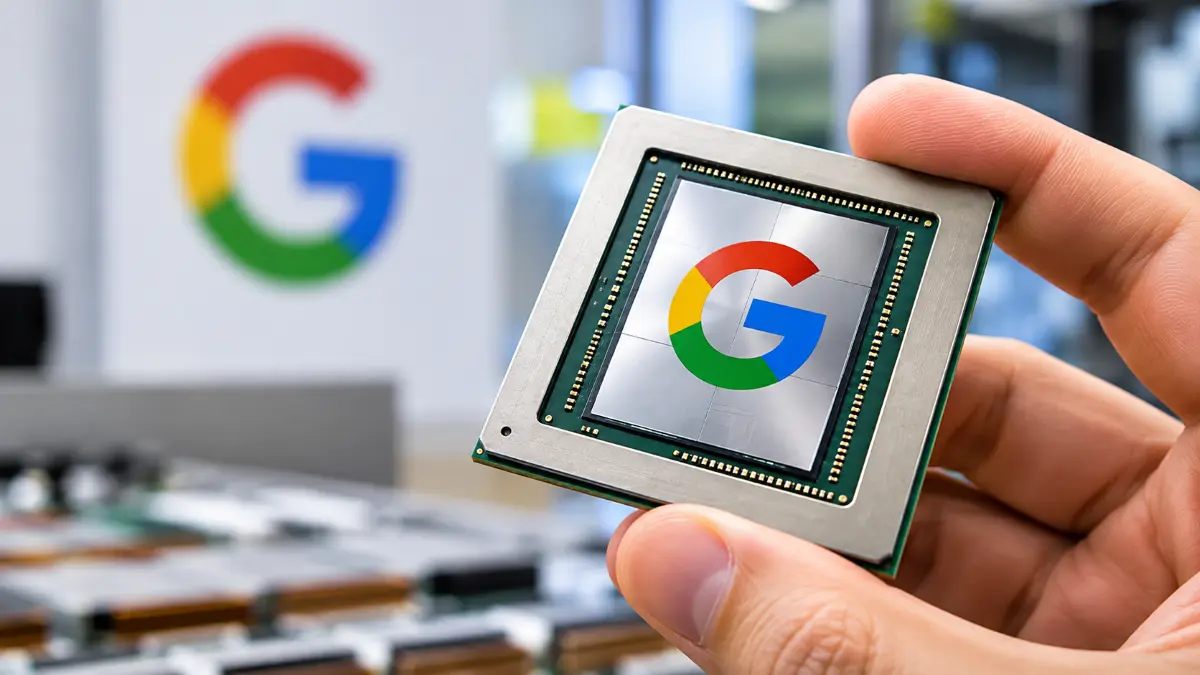

In a strategic move to intensify competition in the AI hardware sector, Google has unveiled two new Tensor Processing Units (TPUs): the TPU 8t and TPU 8i. These chips are designed to address distinct aspects of artificial intelligence workloads, signaling Google’s commitment to challenging Nvidia’s longstanding dominance in the market.
Google’s TPU 8t and TPU 8i: A Dual Approach to AI Processing
Google’s TPU 8t and TPU 8i represent a significant evolution in the company’s AI hardware strategy. The TPU 8t is optimized for training AI models, offering up to 2.8 times better price/performance compared to its predecessor, the Ironwood chip. It delivers 121 exaflops per pod, facilitating faster development cycles for complex AI models. In contrast, the TPU 8i is tailored for inference tasks, boasting 80% better performance per dollar. It features 288 GB of high-bandwidth memory and 384 MB of on-chip SRAM, ensuring efficient processing of real-time AI applications.
This bifurcation into specialized chips mirrors Nvidia’s approach with its Vera Rubin platform, which integrates multiple components to handle various AI processing needs. By adopting a similar strategy, Google aims to provide a more efficient and cost-effective solution for AI workloads.
Strategic Partnerships and Supply Chain Expansion
To bolster its position in the AI hardware market, Google has expanded its chip supply chain through strategic partnerships. Collaborations with Broadcom, MediaTek, Marvell, and Intel have been established to diversify and strengthen the development of its AI chips. This multifaceted approach is intended to enhance Google’s competitiveness against Nvidia, which has traditionally relied on a more centralized supply chain.
Additionally, Google has secured significant agreements with major AI companies. Anthropic has committed to several gigawatts of future TPU capacity, and Meta has signed a multiyear, multibillion-dollar deal for access to Google’s TPUs. These partnerships not only validate the performance and scalability of Google’s AI hardware but also signify a shift in the industry dynamics, with former Nvidia customers becoming direct competitors.
Nvidia’s Response and Market Implications
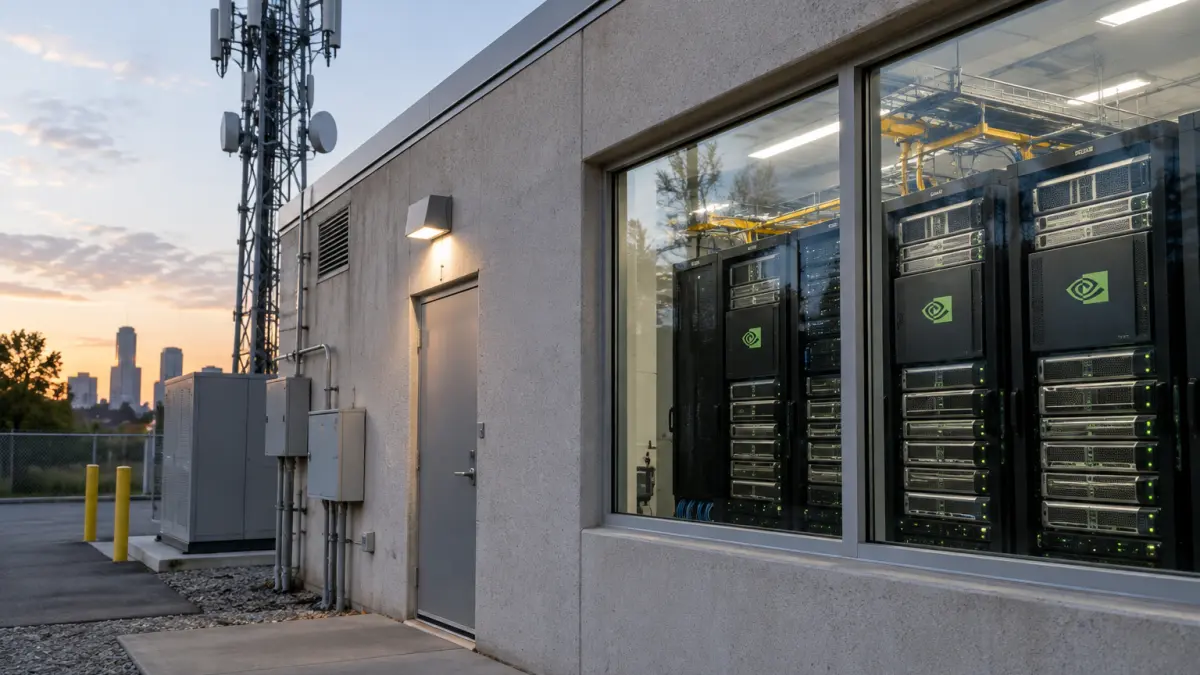
Nvidia’s Vera Rubin platform, announced earlier this year, represents a comprehensive solution for AI processing, integrating GPUs, CPUs, and networking components. While Nvidia continues to lead in the AI hardware sector, Google’s aggressive expansion into this space introduces new competition that could influence market dynamics.
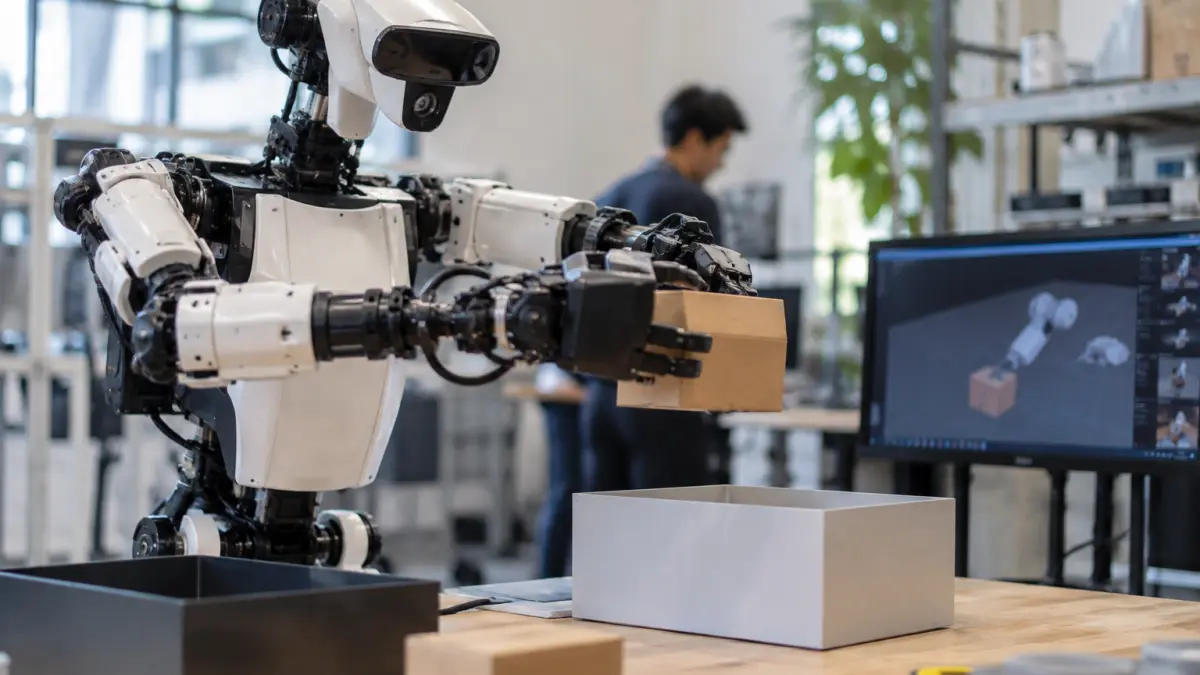
The collaboration between Nvidia and Google Cloud to advance agentic and physical AI further exemplifies the complex relationships within the industry. This partnership indicates a recognition of the need for diverse computing solutions to meet the evolving demands of AI applications.
Looking Ahead: The Future of AI Hardware Competition
The introduction of Google’s TPU 8t and TPU 8i, coupled with strategic partnerships and supply chain diversification, marks a pivotal moment in the AI hardware landscape. As Google intensifies its efforts to challenge Nvidia’s market position, the industry can anticipate increased innovation and potentially more competitive pricing.
For consumers and enterprises, this competition may lead to more choices and better value in AI hardware solutions. However, the long-term impact will depend on the adoption rates of these new chips and the ability of both companies to deliver on performance and scalability promises.
In conclusion, Google’s latest advancements in AI hardware underscore the company’s strategic intent to reshape the competitive landscape. As the rivalry between Google and Nvidia unfolds, stakeholders should monitor developments closely to understand the evolving dynamics of the AI hardware market.