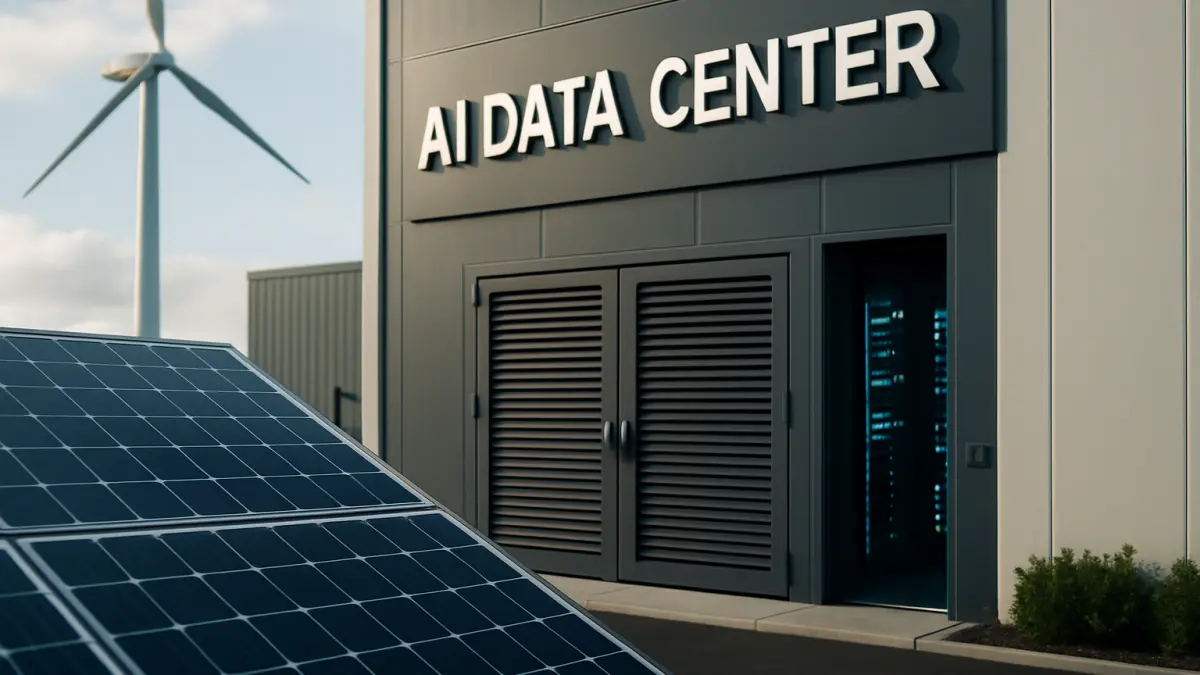

Australia has unveiled a national AI framework that sets strict sustainability and regulatory standards for AI data centers. Under the new policy, these facilities must generate as much energy as they consume, marking a significant move to curb the environmental impact of AI infrastructure. The framework also mandates water efficiency measures and robust protection of intellectual property rights related to AI technologies.
This development matters because AI data centers are among the fastest-growing consumers of power globally, raising concerns about their carbon footprint and resource usage. By requiring energy self-sufficiency, Australia is positioning itself as a leader in sustainable AI infrastructure, addressing both climate goals and the operational demands of AI workloads. Water efficiency rules further highlight the government’s recognition of resource constraints in data center operations.
The broader industry context shows increasing pressure on governments and companies to balance AI’s rapid expansion with environmental responsibility. Globally, data centers consume about 1% of the world’s electricity, and AI’s computational intensity is only accelerating that trend. Australia’s approach may influence other nations to adopt similar frameworks, especially as AI adoption grows in sectors reliant on large-scale data processing.
Strategically, this framework could reshape how AI infrastructure is developed and operated in Australia, encouraging investment in renewable energy and innovative cooling technologies. It also signals a tightening of IP protections, which could impact AI research and commercialization by clarifying ownership and usage rights. For AI companies and data center operators, compliance will be a critical factor in future growth and market access.
What to watch next is how Australia enforces these requirements and whether other countries follow suit. The balance between fostering AI innovation and enforcing sustainability will be a key theme in global AI policy discussions moving forward. Industry stakeholders will be monitoring how these rules affect costs, technology choices, and competitive dynamics in AI infrastructure.